
The Inca quarry trail, also known as the Cachicata route, is becoming an alternative expedition path with high archaeological value compared to the strict capacity rules of the classic Inca trail. Unlike the traditional routes to reach the Machu Picchu sanctuary, this route stands out for its anthropological focus, allowing visitors to interact directly with Andean communities to see their current social and agricultural organization.
Regarding logistics, the starting point to begin this hike to the Inca quarry is the city of Cusco. The itinerary requires traveling a total distance of about 32 kilometers through the mountain range. Operationally, the circuit shares some similarities with the Lares Trek, as both focus on experiential tourism and cultural contact, although they have differences.
At an archaeological level, the itinerary allows travelers to inspect Inca sites and rock extraction areas that are rarely included in the tourist catalogs of the Cusco region. Also, institutions like National Geographic magazine have officially listed the Inca Quarry within its technical list of the six main alternative hiking routes to access the historical sanctuary.

If you are looking for a more personal experience away from the crowds, this route is one of the newest and less traveled alternatives compared to the classic Inca Trail. This original path, used for centuries by locals, will take you through remote villages, old farming terraces, hidden waterfalls, and amazing landscapes with direct views of the Sacred Valley and its snowy mountains.
The main highlight of this hike is, without a doubt, the Cachiccata quarry (located at about 4,100 meters above sea level). It is a fascinating experience to reach the exact place where the Incas took and carved the giant stones used to build the Ollantaytambo fortress. Besides the history of its monuments, the route has a very special human value, as it lets you visit Andean families and learn about their current lifestyle first-hand.
To enjoy this adventure to the fullest, here are a couple of logistics tips:
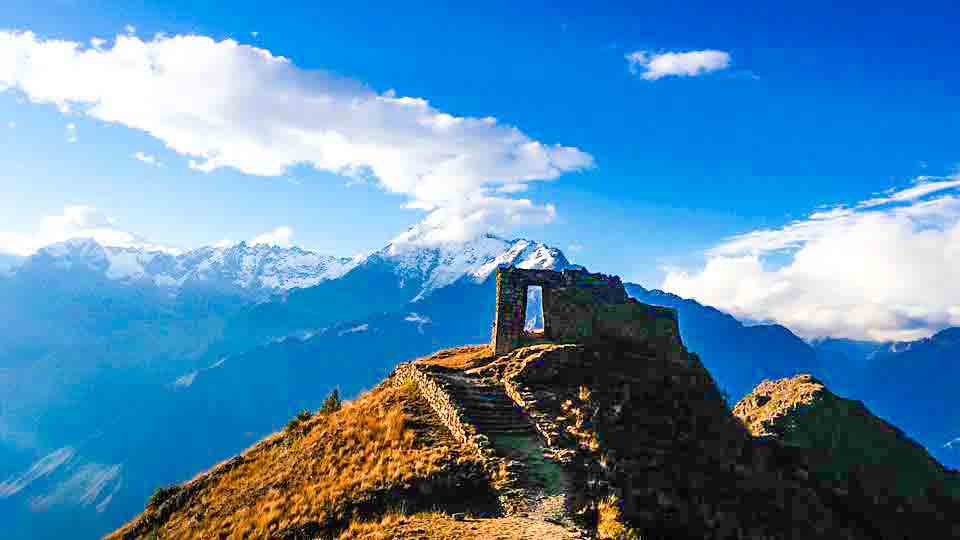
While this hike has a moderate difficulty, you will need good physical endurance to enjoy it to the fullest. Keep in mind that the highest point of the trip will take you up to 4,450 meters above sea level, a good climb considering that the city of Cusco is at 3,400 meters!
To make sure that altitude sickness (known locally as "altitude sickness") does not get in the way of your adventure, here are the best recommendations to prepare your body:
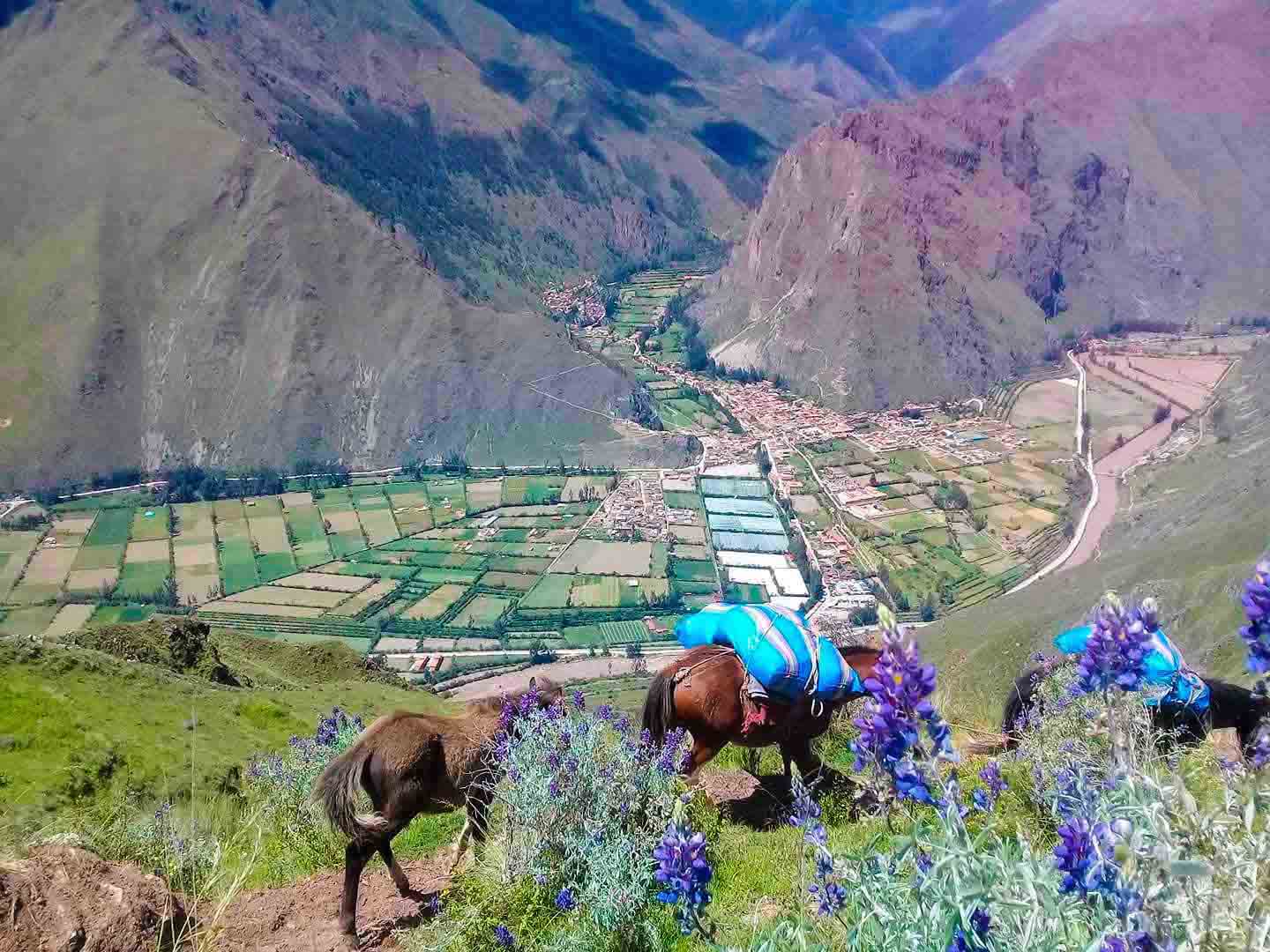
We have great news for you! In this adventure, you won't have to worry about carrying all your luggage. The route has the support of a team of muleteers and horses that will take care of carrying the heavy equipment, such as tents and food supplies. For your part, you will only need to carry a light and comfortable (daypack) with the basics to enjoy every step of your day.
To make your experience perfect, here are two golden tips on what to wear:
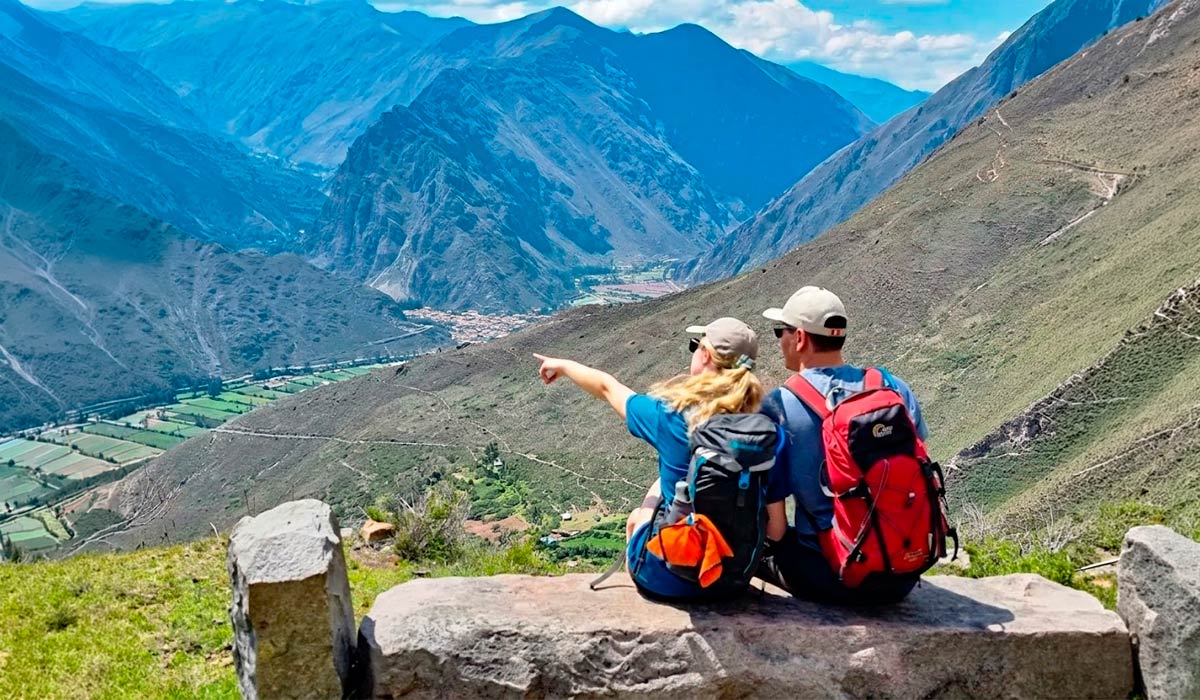
This route will allow you to explore firsthand the impressive stone quarries that supplied the construction of the majestic Ollantaytambo fortress. Right in this beautiful and picturesque town, about 90 km from Cusco, is where our walking adventure ends! To make your trip a total success and without setbacks, here are a couple of key recommendations about your bookings and your health.
First, anticipate your tickets. Although the Cachicata hike has the huge advantage of not requiring the special permits of the traditional Inca Trail, the visit to Machu Picchu is another story. The entrance tickets to the citadel, and especially to the desired Huayna Picchu mountain, have a daily visitor limit and literally fly away months in advance. Secure your tickets early so you don't miss out on the best panoramic views!
Second, travel with total peace of mind. Since walking at high altitude requires a good physical effort, if you are an older traveler or have a history of heart problems, we suggest a quick visit to your doctor before packing your bags. We want you to live this experience to the fullest, enjoying every landscape with total safety!
If there is something that will blow your mind while you explore the Cachicata quarries, it is the huge architectural mystery around them. Get ready to feel like a real explorer facing a secret still to be solved!
As you get close to the giant andesite rocks left along the path some over 50 tons you will be surprised. Even if they look rough at first, when you touch the surface you will realize that many of them are so polished they feel like glass. Even today, thousands of years after the Inca fortress of Ollantaytambo was built, engineers and archaeologists from all over the world still ask the same question: How did the ancient Inca architects cut these giant rocks in the snowy heights, drag them across rough plains, cross a fast river and finish them on top of a new mountain, fitting them together without a single gram of cement?
When exploring the quarries and seeing the marks of the exact cuts, the perfection is so complete that many visitors and even researchers think they look like tiny, precise cuts, almost like a laser. This feeds theories that civilizations like those that founded Puma Punku, Tiahuanaco or the Sacred Valley had machinery or other very advanced technology that, for one reason or another, disappeared over time.
You will probably hear your local team tell old Andean legends that surprised famous explorers like Hiram Bingham and Percy Fawcett. The myth says that the Incas knew the secrets of a rare native plant, taking a liquid with such acidic properties that, when touching the hard stone, it could soften it until it was as soft as modeling clay. In this way, the ancients were able to carve the stone perfectly, letting it harden shortly after in the desired shape.

 +51 84 217 551
 +51 997 434 941
 Av Tupac Amaru PP-10B, Santiago, Cusco, Peru
  info@incatrailmachu.com
 www.incatrailmachu.com


