
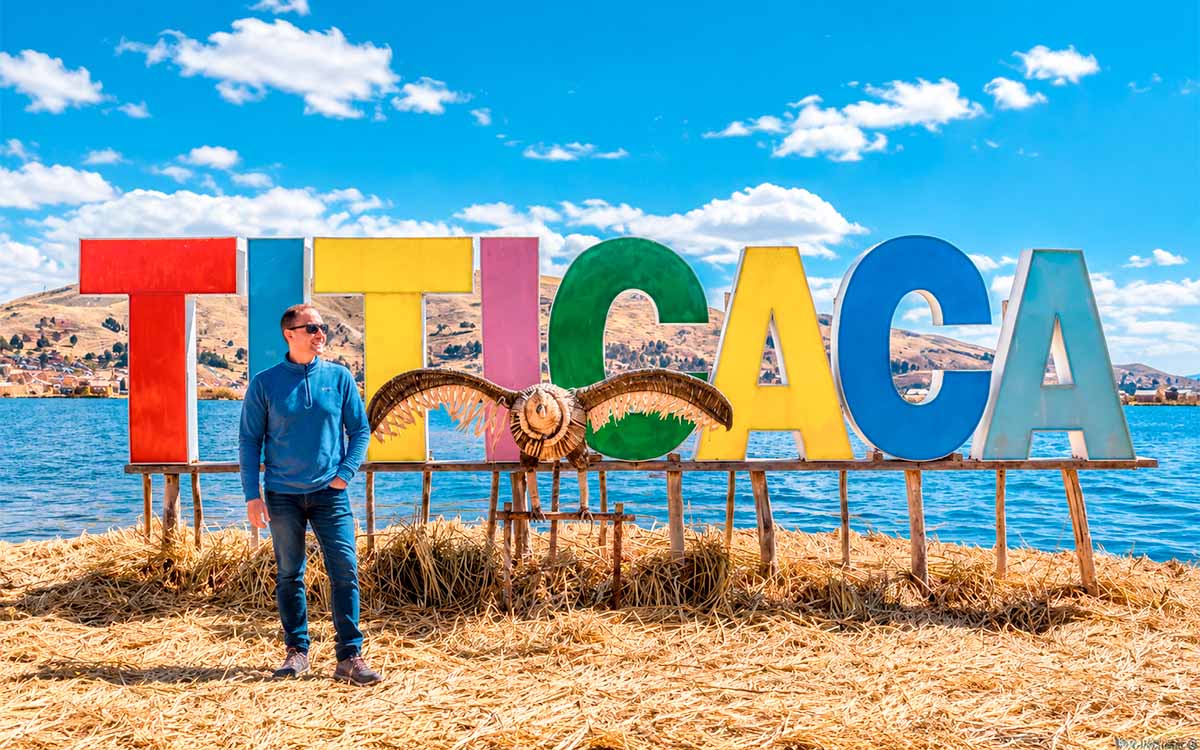
Did you know that Titicaca is the highest navigable lake in the world? At more than 3,800 meters of altitude, this large body of water separates and at the same time connects Peru and Bolivia, surrounded by high Andean communities that have kept their traditions for centuries. From totora reed building techniques to forms of community organization that go back to Inca times, here customs are passed down from generation to generation.
Can you imagine sailing between inhabited islands, sharing a typical lunch with a local family, or spending the night under a sky full of stars? That is exactly what Titicaca offers, a close contact with the Andean culture that few destinations in South America can match.
In this guide we tell you everything you need to visit Lake Titicaca and its islands: some general facts about the lake and its history, a tour of the three must-see islands (Uros, Taquile and Amantani), activities you can do beyond visiting them, how to organize your tour and the logistics of the trip, plus some practical tips to fully enjoy your time at Titicaca.
Where exactly is this lake so mentioned in travel guides? Titicaca is located on the border between Peru and Bolivia, right in the Andean plateau. With more than 8,300 square kilometers, it is the largest lake in South America and, thanks to its altitude, it holds the title of the highest navigable lake in the world.
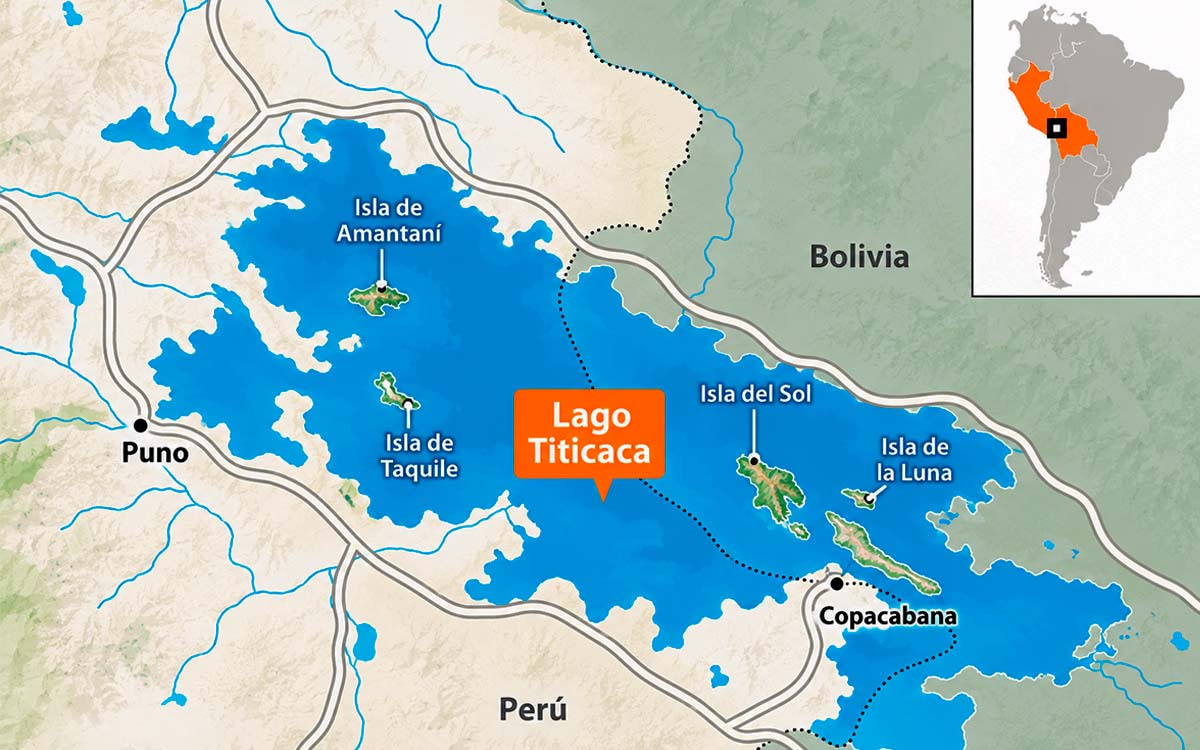
Lake facts:
According to Inca mythology, it was here where the Sun god made Manco Capac and Mama Ocllo, the founders of the Inca Empire, emerge to give rise to the civilization that would later spread across much of South America. On the other hand, the name "Titicaca" comes from the Aymara language and is usually translated as "rock of the puma", a reference to the shape that, they say, the lake forms when seen from above.
Also, this lake is not just a body of water, inside it and along its shore there are dozens of inhabited islands, each with its own way of life, traditions, and landscape. Among them, three stand out that gather the best of the experience:
A little about Puno
The starting point to see the lake is the city of Puno, considered the folkloric capital of Peru. From its port leave the boats that take visitors to the islands, and the city itself offers a good dose of Andean culture even before getting on a boat.
Lake Titicaca is not only focused on its size or altitude, much of its charm is in the islands inside it. Since some of these were built by the locals on the lake itself, others keep their textile traditions, and others still welcome visitors in the homes of local families. Now we will get to know each of the islands of Lake Titicaca:
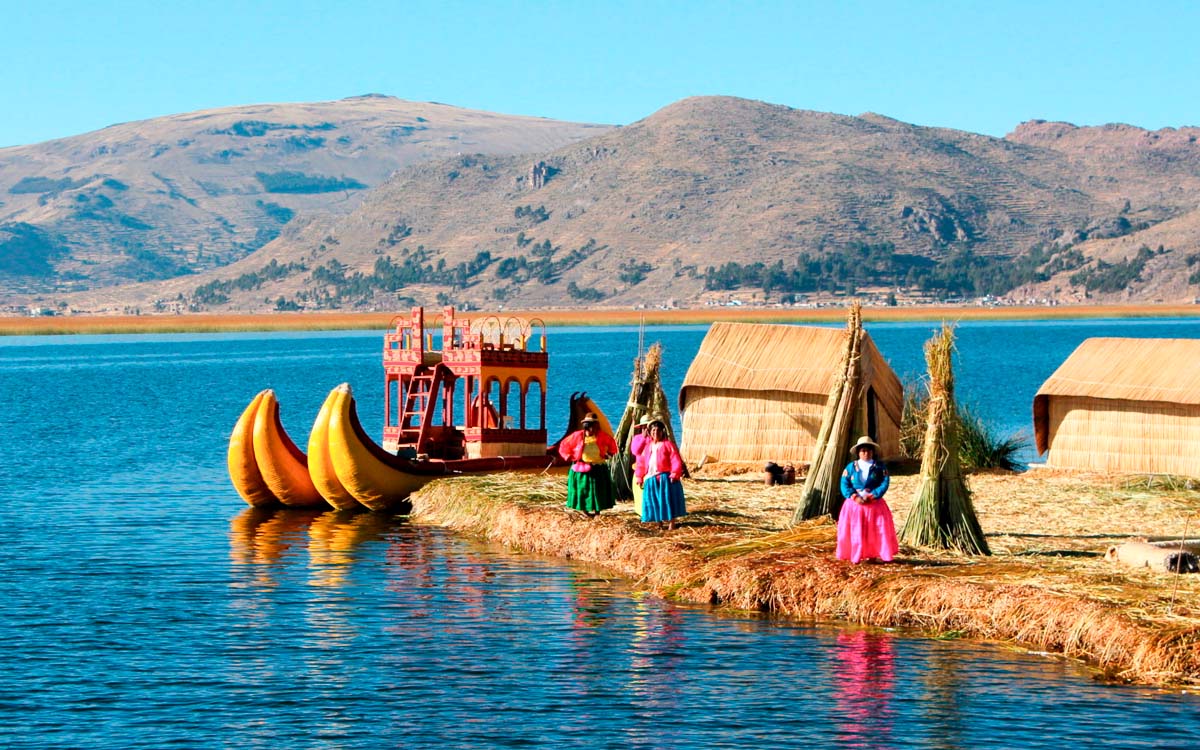
How is it possible to live on a lake? The Uros islands are not solid ground, they are built entirely with totora, a water plant that grows on the shores of the Titicaca. The locals cut blocks of totora roots (which float naturally) and on top of them they weave crossed layers of fresh reeds to form a solid surface to walk on. Since the material breaks down over time, each island needs constant upkeep: new layers of totora are added every few weeks so it does not sink.
Facts about the island:
Upon arrival, the locals usually give a demonstration of how they build and maintain the islands, explaining the step-by-step process. Later, it is common for them to offer a ride on a traditional totora raft to sail among the different islands of the community. You can also interact with the families, see their homes and, if you wish, buy handmade crafts as part of the community's livelihood.
Did you know that the textiles of a small Titicaca island are a Cultural Heritage of Humanity? Since 2005, UNESCO recognized the textile art of Taquile as an Intangible Cultural Heritage of Humanity, and in 2008 it was added to its representative list. It is not a small award, in Taquile, weaving is a daily activity that involves the whole community, men and women, from children to elders, with techniques that date back to the Pukara and Inca cultures.
Facts about the island:
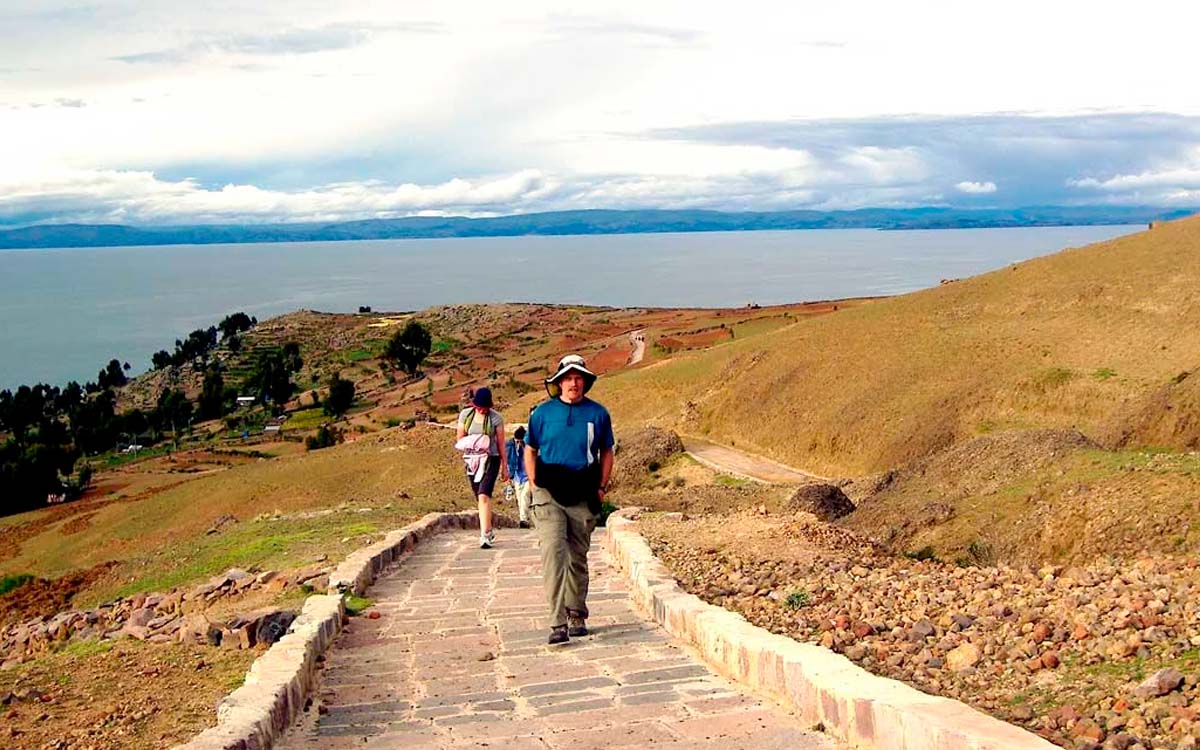
In Taquile you can take a walk around the island, since, as there are no vehicles, the whole tour is done on foot, going up paths and terraces dating from Inca times. Also, you can enjoy a typical lunch, visitors usually taste fresh lake trout, prepared by local families as part of the experience. Finally, you can appreciate its beautiful wide views, from the highest points of the island, where you openly look at Lake Titicaca, with the Bolivian mountain range showing on the horizon.
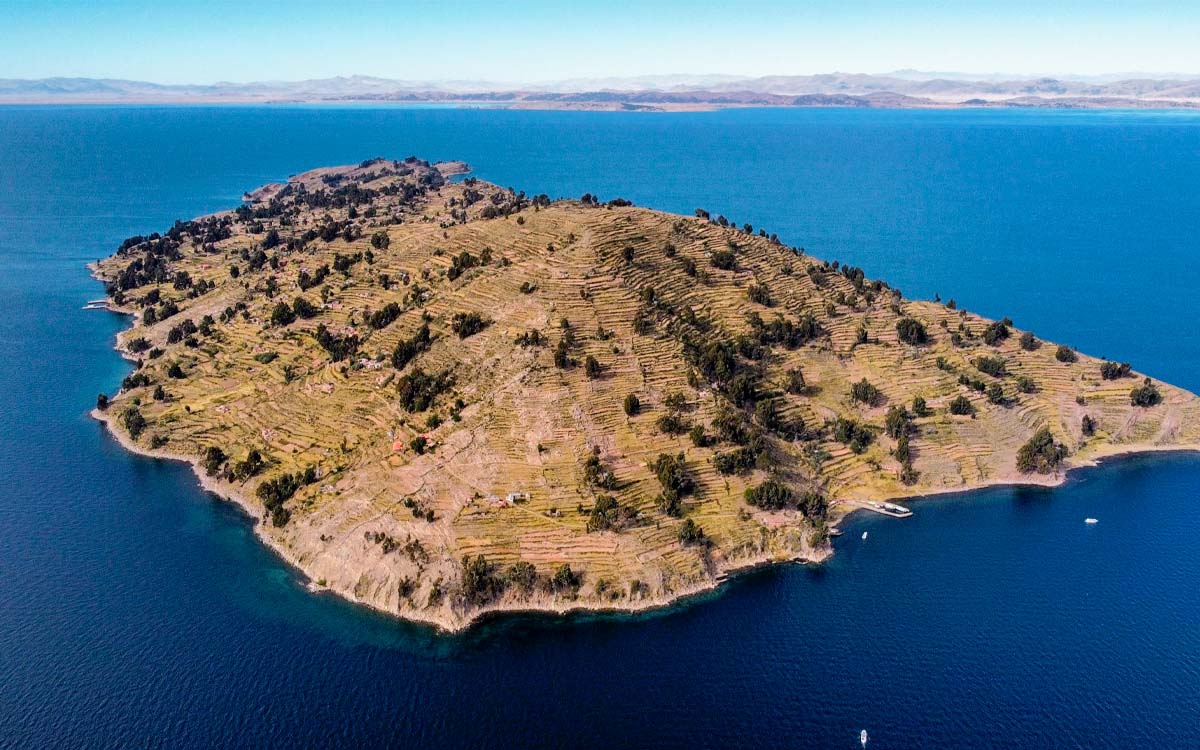
How about resting in the house of a local family? On Amantani, that is the main experience, visitors stay directly with Quechua-speaking families, share their meals and, for a few hours, become part of their daily life.
Facts about the island:
At the top of the island, at more than 4,000 meters of altitude, there are two pre-Inca temples: Pachatata (Father Earth) and Pachamama (Mother Earth). Both stay closed most of the year, opening only the third Thursday of January, when the community celebrates its patron saint festival.
The visit to the islands is the main activity, but Titicaca offers several more experiences for those who want to make the most of their stay, among these activities are:
The way you plan your visit depends on the time you have available.
If you have the time, this second option offers a much more complete experience.
Prices change depending on the season and the operator, but as a reference:
The dry season, from April to November, offers the most stable weather for sailing and is the most recommended. It is worth considering the Festival of the Virgin of Candelaria in February, one of the most important celebrations in the region, which can be a reason to visit on those dates instead of avoiding them.
All tours leave from the port of Puno, which is usually reached by bus from Cusco or Arequipa (between 6 and 8 hours of travel) or by plane to the Juliaca airport, located about 45 minutes from the city. There is also the option of the Andean Explorer train by PeruRail, which goes on the same route at a slower pace and at a considerably higher price.
Puno is located at more than 3,800 meters of altitude, so it is normal to feel some lack of air or tiredness the first few days. It is recommended to arrive with at least one day of getting used to the altitude before the trip, avoid alcohol the night before, stay hydrated and move calmly, especially during the walks in Taquile and Amantani.
On the islands there are no ATMs or the chance to pay with a card. It is essential to bring cash in soles, in small bills, to cover expenses like the reed boat ride in Uros, tips, crafts, or the direct payment to the host family in Amantani.
The island communities keep traditions that are part of their identity, not a show set up for tourists. Asking for permission before taking photos of the locals, joining the proposed activities with real interest and buying crafts right from the families are simple ways to help a more responsible tourism.

 +51 84 217 551
 +51 997 434 941
 Av Tupac Amaru PP-10B, Santiago, Cusco, Peru
  info@incatrailmachu.com
 www.incatrailmachu.com


