
Our field trips and treks begin on the same scheduled departure dates as the classic Inca Trail programs. Please note that the actual itinerary may vary slightly depending on the season to ensure the most comfortable and milder trekking conditions.
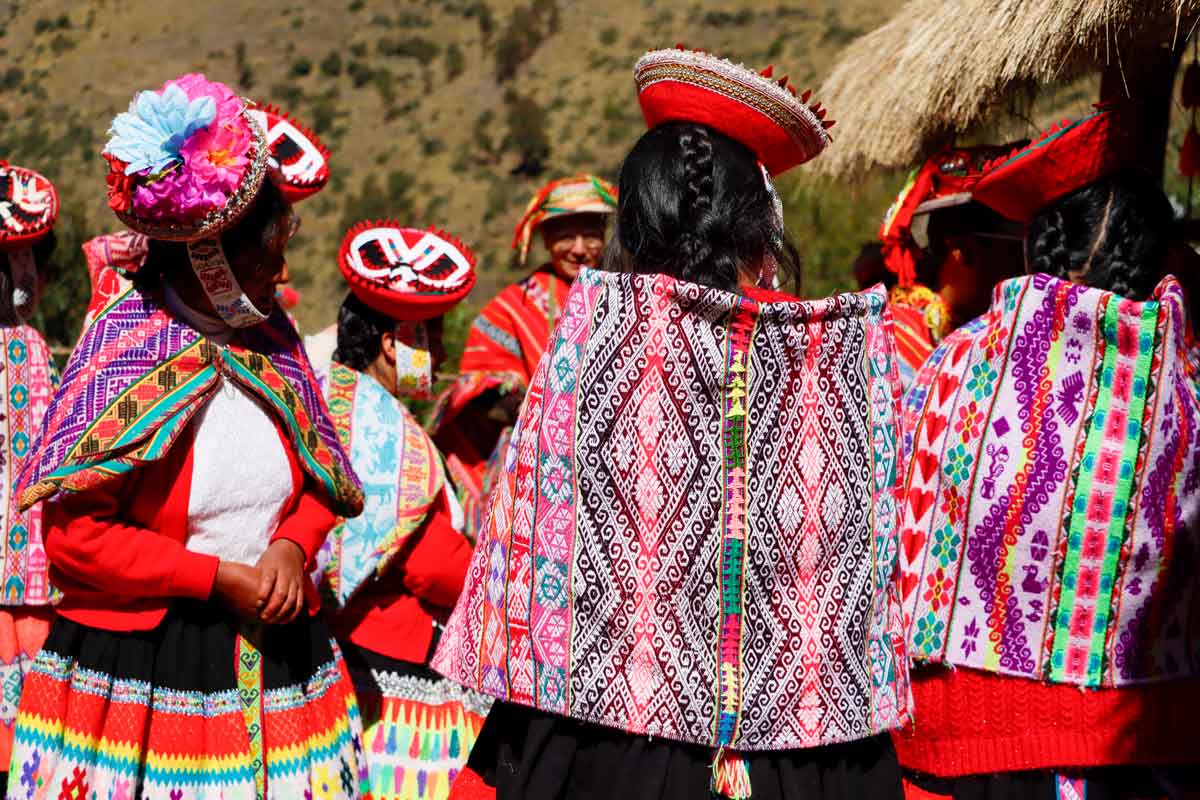
Throughout the journey, the trails seamlessly connect with small, remote villages scattered across the Lares Valley. Because of this, the Lares trek offers significantly more authentic interaction with the direct descendants of the Incas than the traditional Inca Trail. Here, the past and present intertwine along ancient paths; traditional life has changed very little over the centuries, and the mountain communities proudly preserve ancient customs. Between the spectacular scenery and the welcoming people you will meet, this trek promises to be an unforgettable experience.
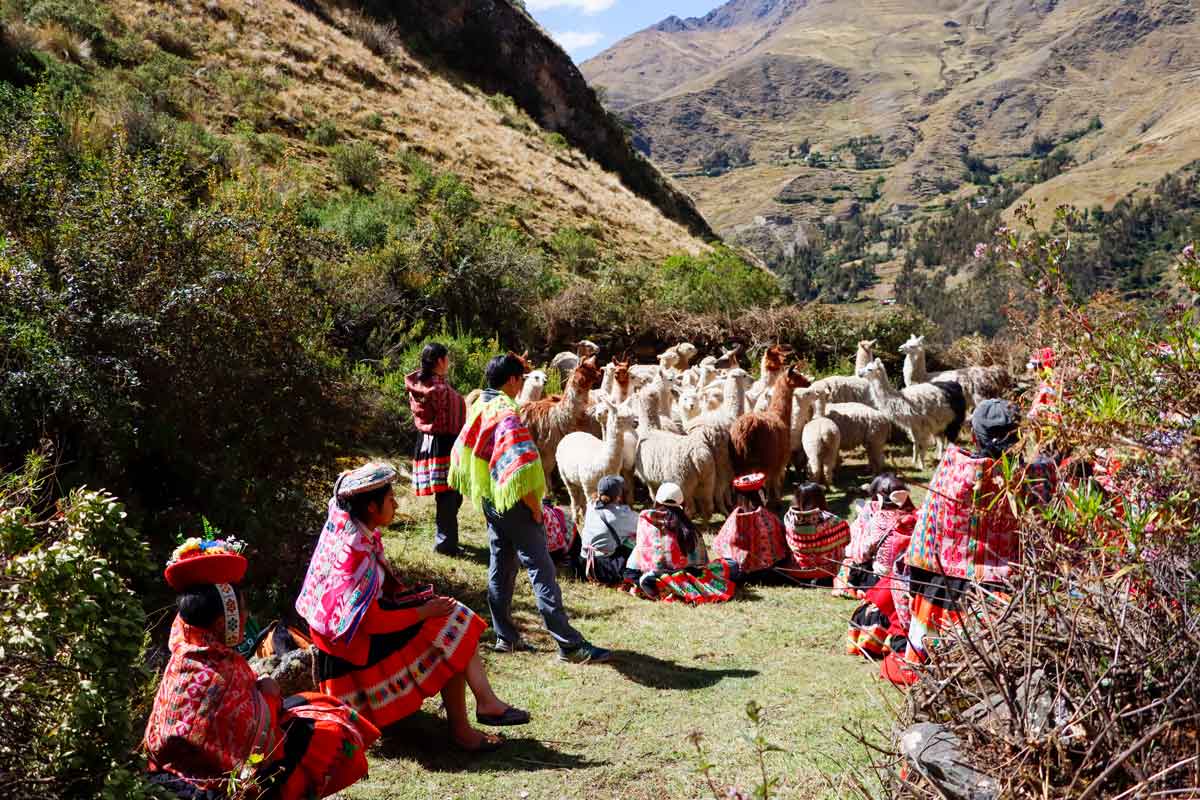
On the day of departure, you will travel toward Ollantaytambo, passing through the town of Calca, where you will enjoy lunch at a local restaurant before final preparations for the hike. In this small town, you will meet our local crew—including shepherds, horsemen, and our team of llamas, alpacas, and pack horses—who will help secure all camp gear for the journey. Our expert guide and talented professional cook will take care of every detail throughout the entire trip.
The following day, we ascend toward the Kiswarani Pass, reaching an altitude of approximately 4,400 meters (14,435 feet). The landscape here features unique high-altitude Puna flora and pristine alpine lakes. After reaching the pass and enjoying the panoramic views, we descend to our campsite in Kunkani. Here, you can rest in a traditional village characterized by authentic mud-brick huts and thatched roofs. The next morning, we cross the Kunkani Pass and continue toward the Ipsayqocha Pass at around 4,500 meters (14,763 feet), before descending to our second campsite near the beautiful Ipsayqocha lake.
As we descend the next day toward Patacancha, you will hike through diverse microclimates, noticing dramatic landscape shifts with every passing hour. Throughout the journey, you will have crossed three or four high passes—walking through the high alpine Puna grasslands, dropping into native woodlands, and finally arriving in the lush, warm Urubamba Valley. If you are lucky, you may spot local wildlife, including the Andean fox, chinchillas, eagles, or even the magnificent flight of the Andean condor.
Upon arriving in Patacancha, we will enjoy a final lunch prepared by our cook before traveling back to Ollantaytambo. From there, we take a scenic two-hour train ride to Aguas Calientes. After the physical exertion of this incredible trek, you can look forward to a hot shower and a comfortable night's sleep at your hotel. On the final morning, you will rise early for breakfast before taking a 20-minute bus ride to the archaeological sanctuary of Machu Picchu. Your visit includes a comprehensive two-hour guided tour, followed by plenty of free time to explore the citadel before returning to Cusco aboard the Expedition or Vistadome train.
The Valley of Lares is located between the eastern slope of the Andes and the northern part of the Urubamba mountain range. It has beautiful glacial lagoons and warm subtropical streams, as well as a great variety of vegetation and wildlife. It is surrounded by a chain mountain of the mountain range, where the snow-covered of Verónica, Sawasiray, Pitusiray and the Chicón are.
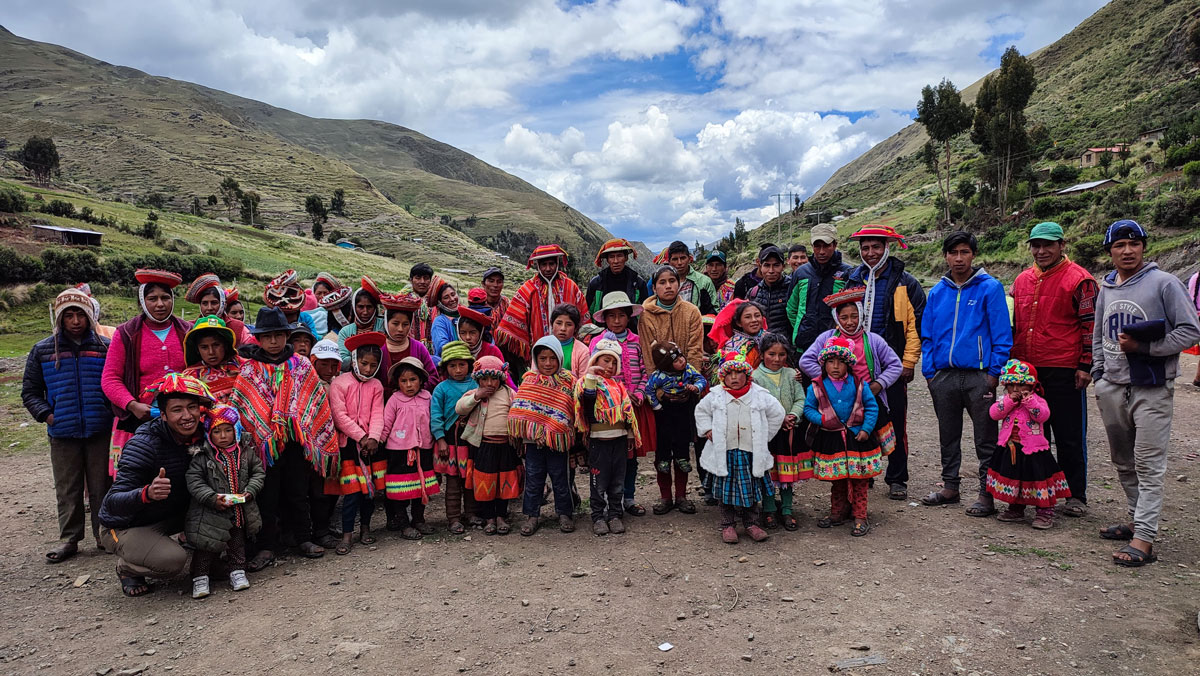
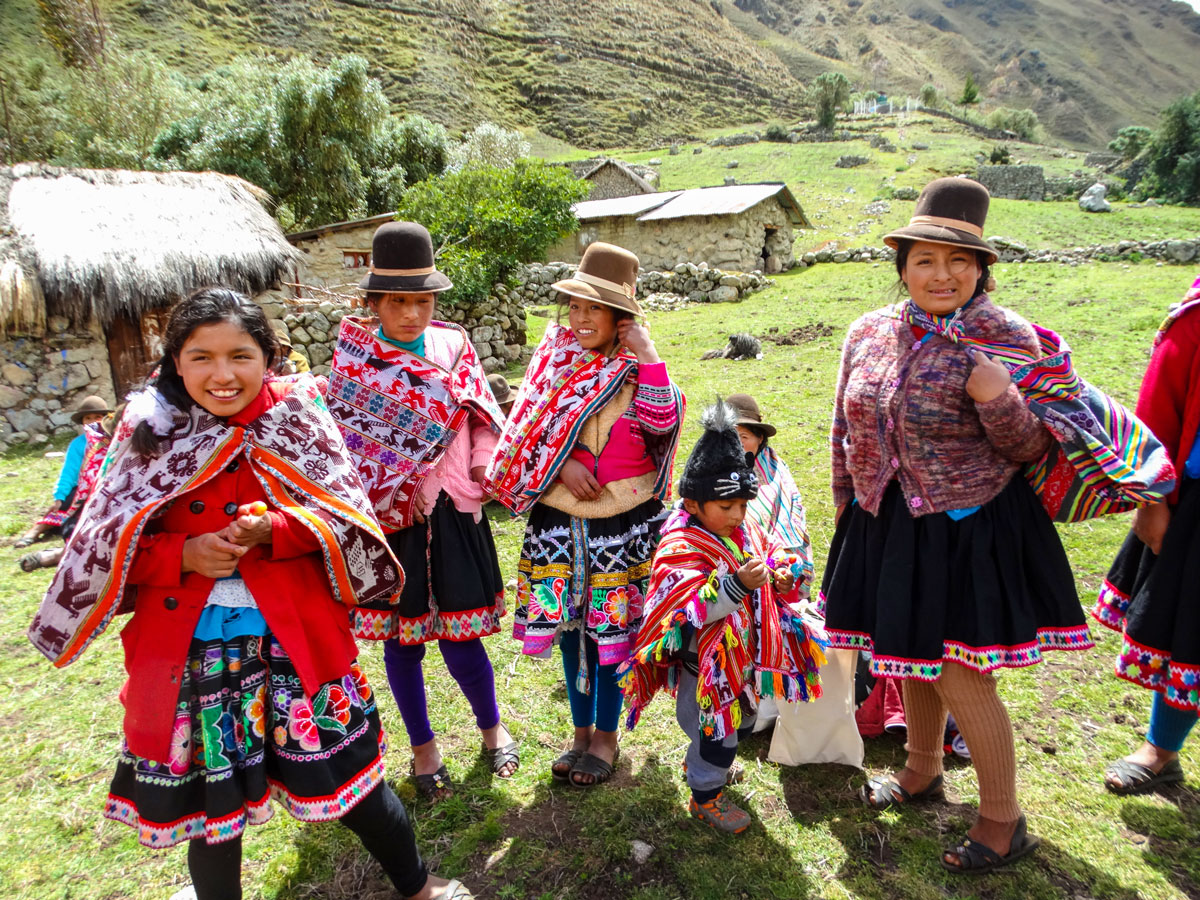
Here live small communities of Quechua-speaking farmers, who maintain their customs of grazing llamas and alpacas, cultivating tubers and producing tissues. For all the aforementioned, this valley offers a great variety of tourist attractions. It is common for tourists to arrive to Lares to interact with local communities and learn more about their traditions, as well as the possibility of doing one of the best trekking routes in Cusco.
How to get to Lares
To get to Lares can be accessed by making 2 routes.
The road is in very good condition but it still takes time to reach the destination, it is advisable to hire the services of an agency to reach the Valley of Lares.
We started in the Sacred Valley of the Incas (in Huarán). We will climb the narrow part and have the opportunity to see stone houses with thatched roofs surrounded by herds of llamas, alpacas and guinea pigs.
The road is moderate compared to the Inca Trail. This road has two steps of 4000 masl (13,200 feet) is recommended to spend 3 to 4 days in Cusco before the trip.
The tour Lares 4 days trek to Machu Picchu is an excellent way to get to know the Andean landscape, with valleys, rivers, lagoons with crystal clear waters, waterfalls, forests of queuñas and to know the way of life in the Andes. In addition to the excursion in the Andes, the program connects with a visit to one of the wonders of the modern world Machu Picchu.
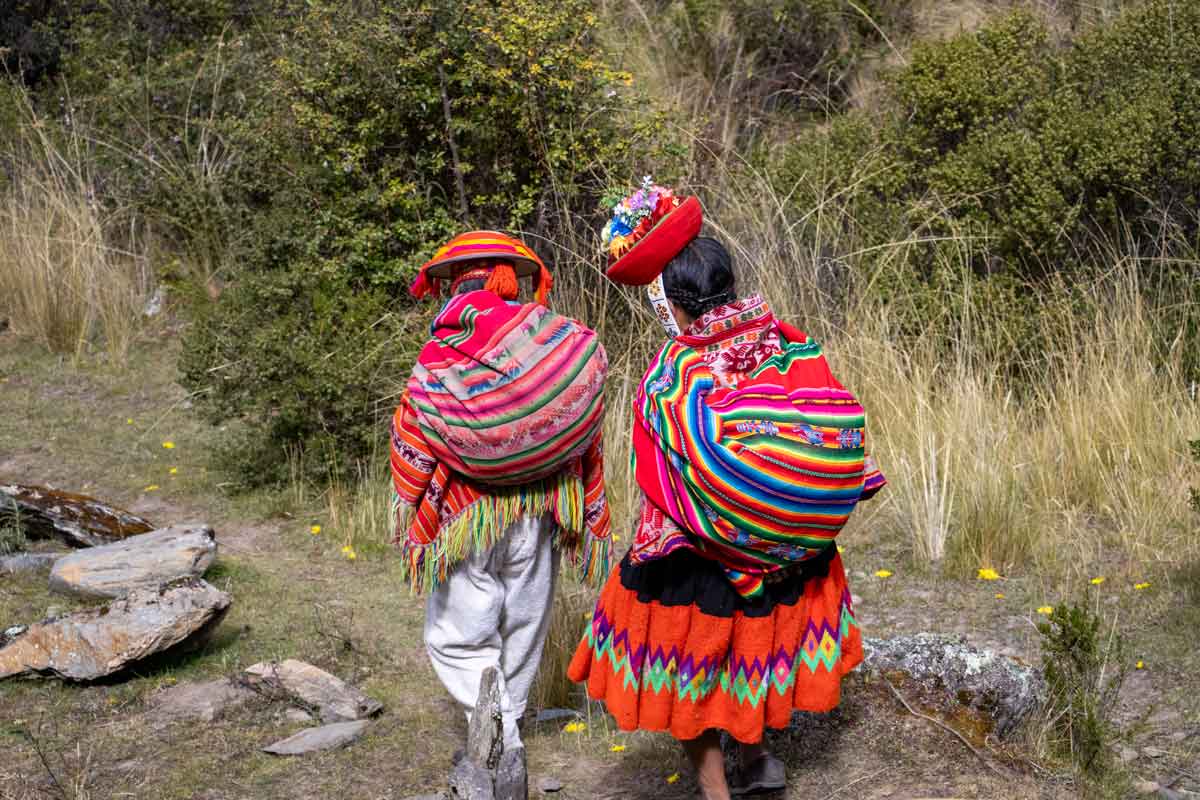
This remote and rarely visited region offers the traveler a privileged view of traditional Andean life: an enigmatic world where farmers plant their crops in the lands that their ancestors cared for and watched over, herds of llama and alpaca under the sacred snowy peaks that they worshiped as gods. The Lares trek to Machu Picchu is one of the trails of the Inca Empire era. Today, the trail is still used by farmers, who are descendants of the Incas. The tour of Lares connects the communities of Cancha Cancha, Quisuarani, Cuncani and Lares with life in the Sacred Valley.
Lares is one of the most impressive and interesting routes that, through ancient Inca roads, crosses this area of the Andes. Not much explored by travelers visiting Peru, this trek takes us to the heart of high Andean native communities and gives us the unique opportunity to learn more about the lifestyle that its ancient settlers have, the same one that has been maintained for hundreds of years...
The difficulty of this walk is moderate
The best time to hike the Lares Valley Trek are the months of May and September. It is dry, but the nights can be very cold. The dry season in the highlands is from May to September. Temperatures often fall below 0 degrees. Snowfall is not uncommon on the Lares Valley and Salkantay Trek, the Ausangate Trek or in the Rainbow Mountain. However, these months are also the high season and peak travel season for tourists.
You should avoid the rainy season from mid-October to the end of February. The Inca Trail tours are completely closed in February anyway, but the Lares Valley Trek and Salkantay are accessible. Incidentally, Our company recommends that you not come in February, since heavy rains, the trails are very dangerous and landslides then happen more often.
However, there is snow in the Lares Valley. In May and June a lot. But once the sun rises, the snow melts quickly.
Peru offers you a variety of ways to explore the country on foot. You have enough time to enjoy the surroundings and experience everything up close. Our local experts know all the treks and can give you the best advice. Just have your dream trip put together and soon the trek of your life can begin.

 +51 84 217 551
 +51 997 434 941
 Av Tupac Amaru PP-10B, Santiago, Cusco, Peru
  info@incatrailmachu.com
 www.incatrailmachu.com


