
Cusco is much more than the gateway to Machu Picchu; it is the historic and cultural heart of the Peruvian Highlands, and the ideal starting point for an unforgettable vacation in Cusco. From Andean fashion (sweaters and ponchos woven with fine alpaca wool) to the boldness of local gastronomy, the city offers a direct meeting with an ancient culture.
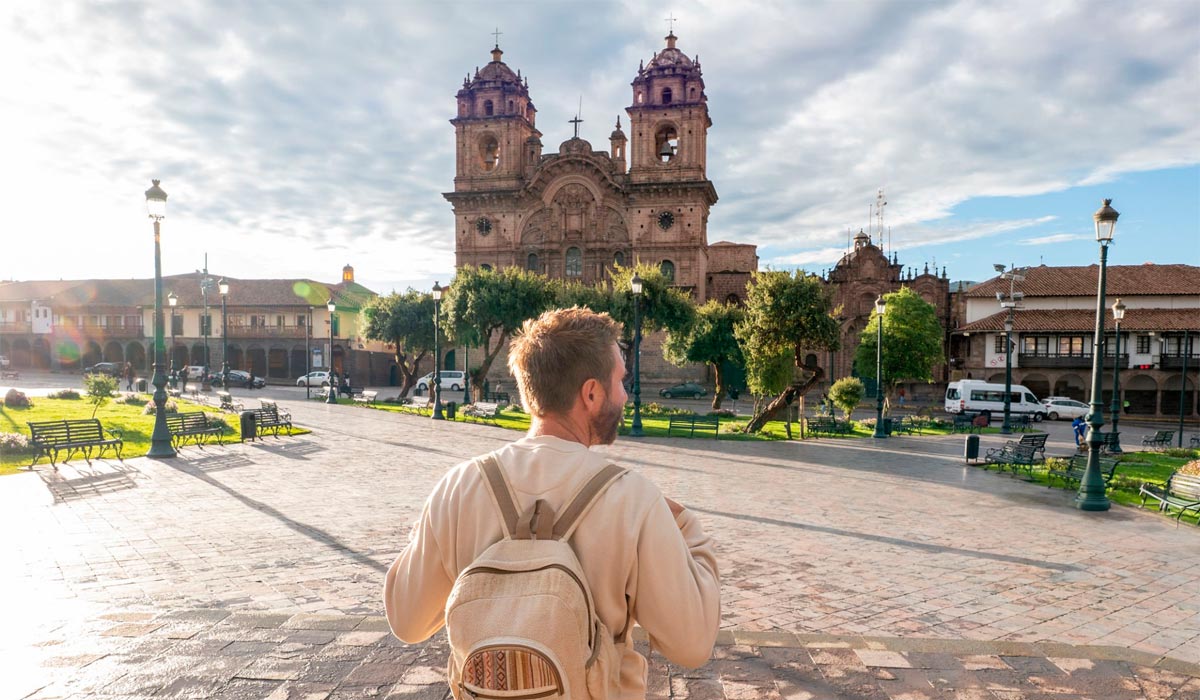
The richness of Cusco lies in its history and its architecture like in the Plaza de Armas, the heart of the city, where ancient Inca walls are found supporting colonial churches. Even many of the hotels in Cusco are full of history, occupying ancient palaces or convents.
Exploring Cusco and the Sacred Valley will allow you to discover the wide landscape of the Peruvian Andes. The natural environment, with its beautiful Andean landscapes and strategic sites like the Temple of the Sun (Qorikancha), reveals the vision and success of the Inca civilization. Besides the cultural richness, the region is a paradise for treks and Adventure in Peru, offering hikes and excursions that reveal the essence of the ancient empire.
Cusco, which in the Inca era was known as the Navel of the World, is now a city where Inca history and the Spanish colonial legacy coexist. The city is famous for its unique architecture, characterized by Inca stone walls that serve as a base for the baroque-style colonial structures. Also, its markets are bustling and contrast with the quiet of the ancient temples, thanks to these environments a better experience is offered to the traveler and helps to know the variety that characterizes Peru.
On the other hand, inside the Historic Center of Cusco, the attractions are numerous and are concentrated close to one another. For example, the Plaza de Armas is the focal point, and is accompanied by the Cathedral and the Church of the Society of Jesus. Very close is the Temple of the Sun (Qorikancha), the most sacred place of the empire, whose high-precision Inca foundations are a show of engineering. Also found are the traditional neighborhoods, like San Blas, that charm with their artisan workshops and their small quiet squares; in addition, the nearby Fortress of Sacsayhuaman, visible from the center, is a monumental testimony of Inca military engineering and an essential site to start any cultural tour.
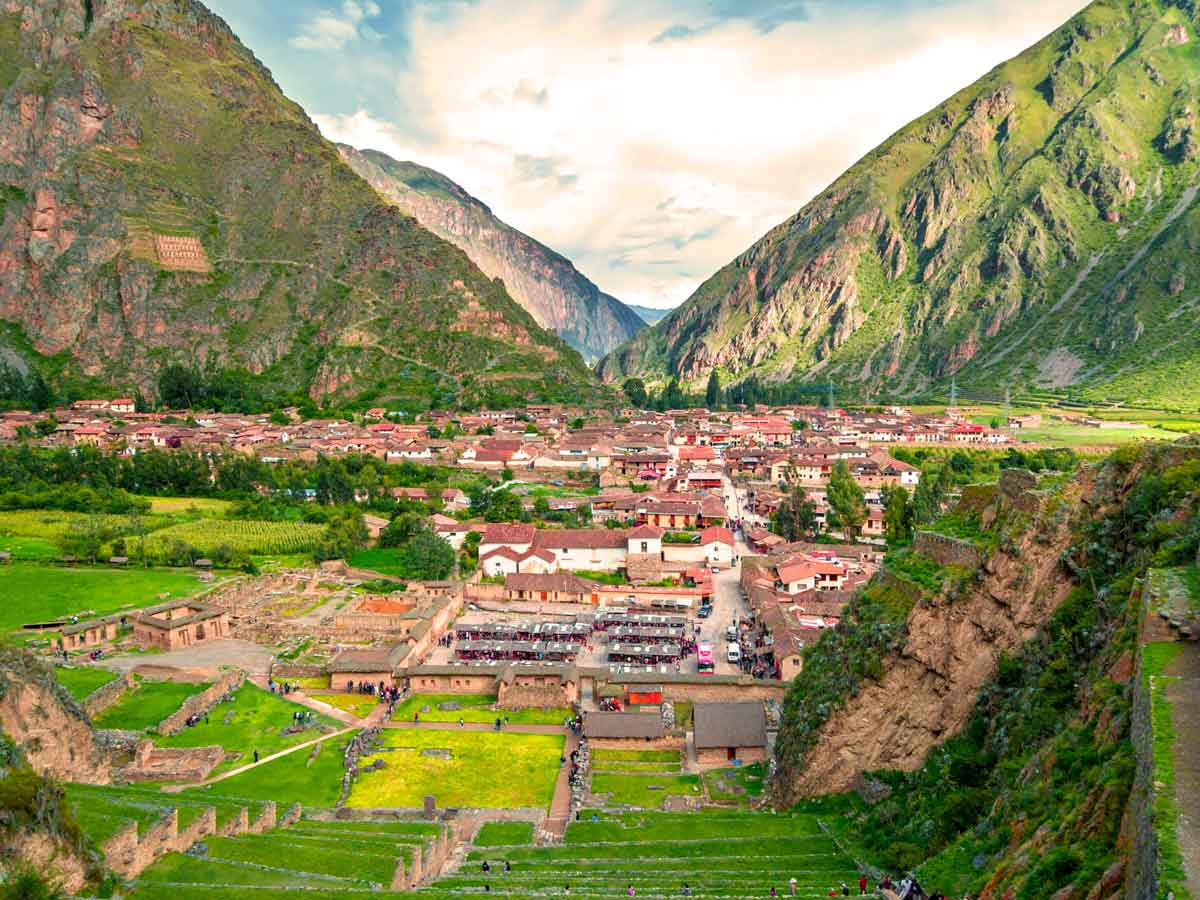
The Sacred Valley of the Incas is a stretch of approximately one hundred kilometers in length that extends from the Pisac Ruins, near Cusco, to the area near the Machu Picchu citadel.
During the peak of the Inca Empire, this valley was of significant importance. It was not only a crucial region for agricultural production, but it also served as the main route connecting Cusco to Machu Picchu, which led to the construction of many checkpoints and administrative centers that today are known as archaeological sites. The suitability of the area for agriculture was due to its stable temperatures, the constant water source provided by the Urubamba River, and the clear division between the wet and dry seasons.
The Incas were experts in growing plants, and the agricultural terraces of the valley, which look beautiful to us, are still used by the local population for farming. When traveling through the valley, you can observe the detailed farming practices of the Incas, passed down from generation to generation.
When visiting the Sacred Valley of Cusco , consider taking a guided tour to better understand the history and culture of the region. The Sacred Valley is not only a place of historical importance, but also a place of immense natural beauty that should be enjoyed at a relaxed pace.
Below, we will explore in greater detail the most outstanding archaeological sites found along this vital valley, offering a deep look into the organization, engineering, and faith of the Inca civilization.
Ollantaytambo is a charming and picturesque town situated on the far side of the Sacred Valley in close proximity to Cusco. Its delightful cobbled streets and quaint cafes render it a highly sought-after destination among tourists seeking to explore the Sacred Valley region.
The town stands as a remarkable exemplar of Inca town planning, and visitors are encouraged to visit the Hearts Café for a delightful coffee and snack before proceeding to the Chocolate Museum.
The Inca ruins located in Ollantaytambo are truly magnificent and boast some of the finest stonework outside of Machu Picchu. Originally serving as a royal residence for Emperor Pachacuti, the temple and fortress are of exceptional quality and should be included on any itinerary of places to visit in the valley.
Pisac is a lovely town in the Sacred Valley Cusco Peru, and it is knowns for both its Inca ruins and its vibrant artisan market. Here is a breakdown of what to explore in Pisac:
Pisac town was established by the Spanish Conquistador and Viceroy Toledo, and was built upon an original Inca settlement. Situated in close proximity to Cusco, Pisac boasts the most prominent market in the region. The market is replete with local produce and a diverse range of locally crafted arts and crafts, rendering it an ideal destination for shopping and other engaging activities in the Sacred Valley.
The ruins, located a mere 20-minute drive from the town, are of exceptional quality and merit a visit. The complex comprises military, agricultural, and religious edifices, all of which are dispersed throughout the site. It is recommended to explore the "Royal Sector" of the site and capture numerous photographs.
Pisac, situated one hour northeast of the former Inca stronghold of Cusco, is the nearest town. This quaint, conventional Peruvian town is renowned for its craft market, which attracts both local residents from the valley and tourists.
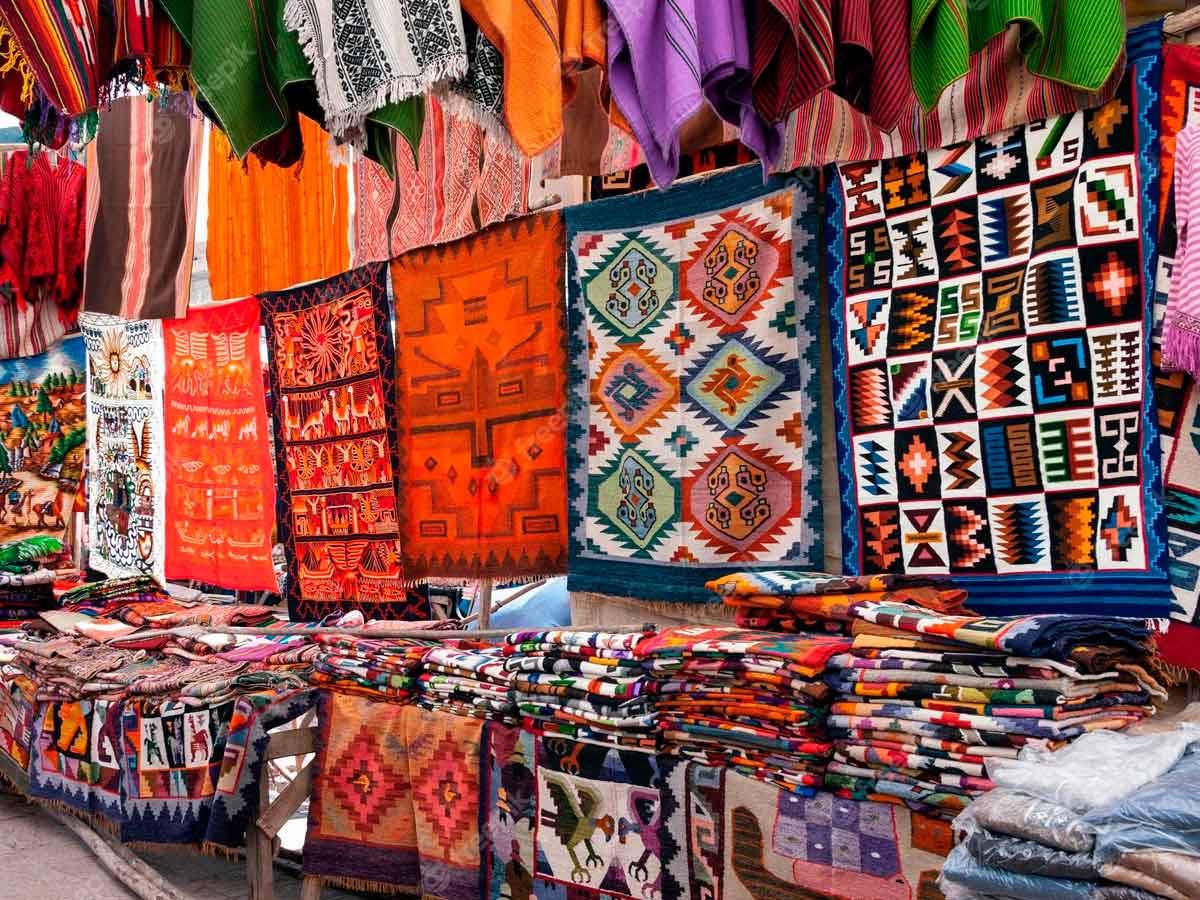
Unless one is traveling deep into the countryside, the most optimal and convenient approach to observing Peruvian alpacas and llamas is by visiting Awanakancha. Awanakancha is a delightful camelid farm that is exclusively devoted to the animals and textiles derived from their wool.
At this location, one can encounter alpacas, llamas, vicunas, and guanacos. There are numerous open enclosures and an abundance of grass stalks available for visitors to feed the animals.
While exploring Awanakancha, it is highly recommended to explore the onsite exhibits as well. These exhibits showcase the process of wool harvesting, refinement, and natural dyeing before being woven into fabrics. Additionally, native women often demonstrate traditional weaving techniques utilizing ancient looms.
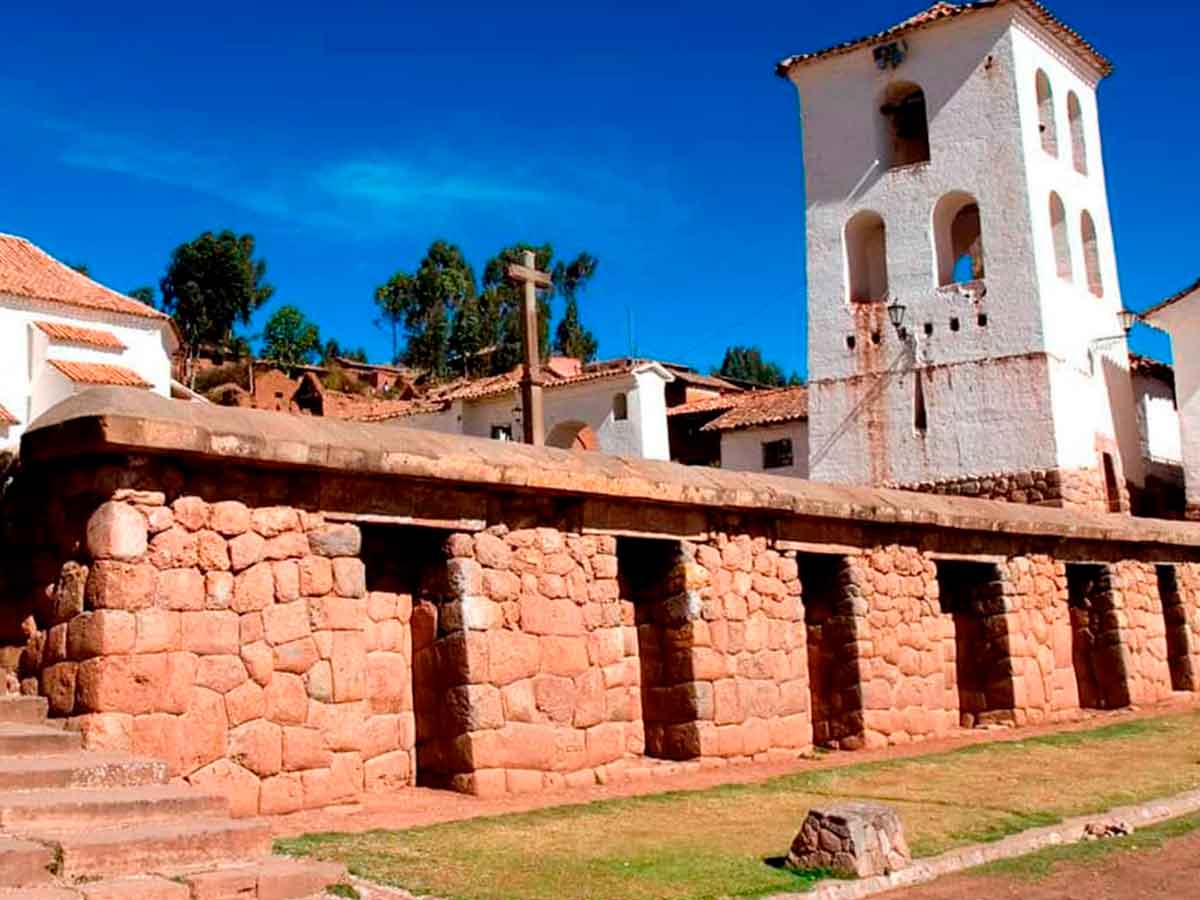
Chinchero, a quintessential Andean village, boasts of adobe brick houses and scattered Inca archaeological sites, making it a picturesque destination for photography enthusiasts. However, the most alluring attraction in this region of the Sacred Valley is the local market of Chinchero.
This traditional market is held thrice a week, on Tuesdays, Thursdays, and Sundays, with the latter being the most significant event. It caters primarily to the local populace, who frequent the market to procure fresh fruits and locally-made textiles.
The prices at this market are the most economical in the region, although touristy souvenirs such as stuffed Alpaca toys may be more affordable in Cusco.
Maras Salt Mines, also known as Salineras de Maras, are a remarkable natural and cultural attraction located in the Sacred Valley Day Trip from Cusco, near the town of Maras. These salt mines have been in operation since pre-Inca times and continue to produce salt to this day, making them one of the oldest continuously operating salt mines in the world.
A visit to the Maras Salt Mines offers a glimpse into both the history of salt production in the region and the enduring traditions of the local community. It's a remarkable example of how ancient practices can continue to thrive in the modern world.
Moray is an archaeological site located in the Sacred Valley of Peru, not far from the town of Maras and about 50 kilometers (31 miles) northwest of Cusco. It is known for its unique and mysterious circular terraces that were constructed by the Inca civilization.
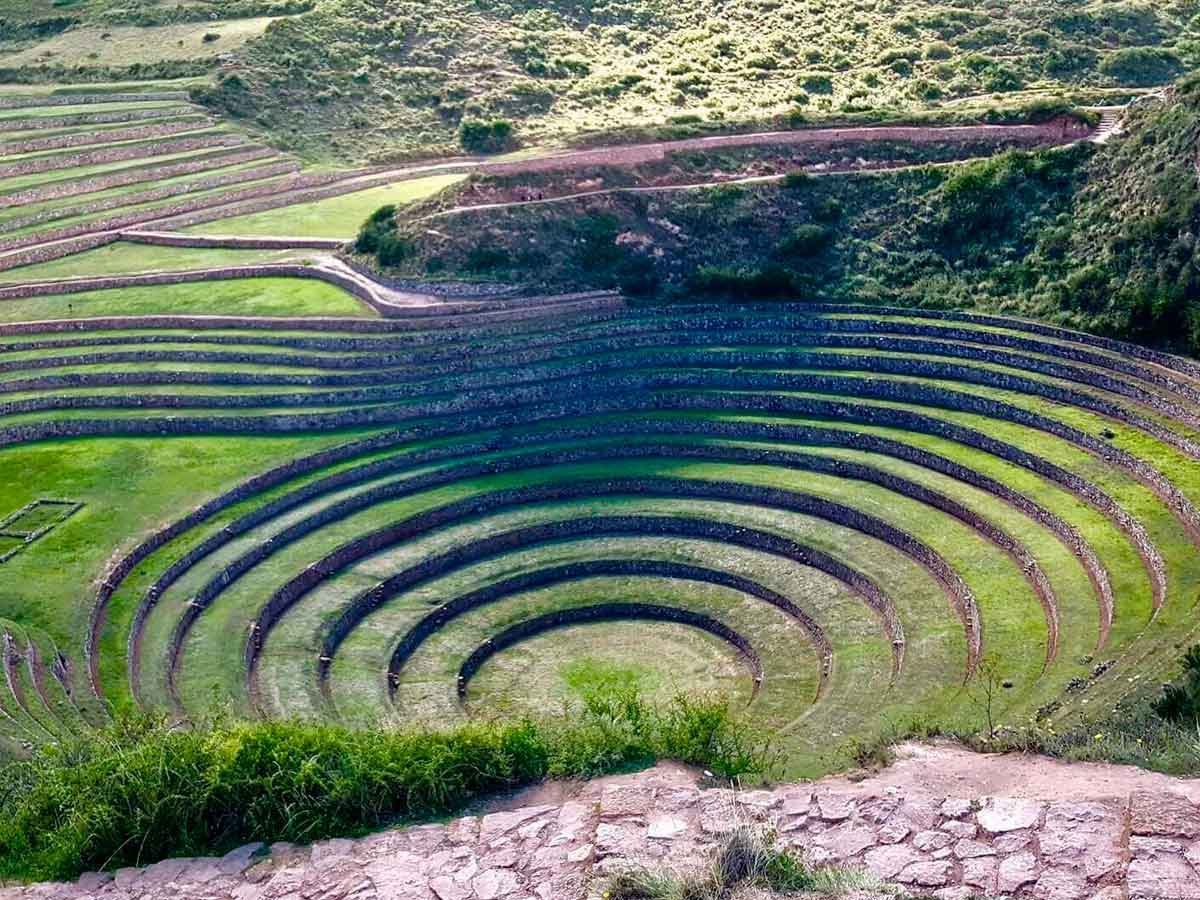
Visiting Moray offers a fascinating glimpse into the agricultural and engineering prowess of the Inca civilization and provides an opportunity to appreciate the unique beauty of the terraced structures. It's a must-visit for travelers interested in Inca history and ancient agricultural techniques.

Peru is a country full of contrasts: coast, highlands, and jungle offer unique routes for those seeking adventure, history, and unforgettable landscapes. From cities full of heritage to amazing natural destinations, each region shows a different side of the country and leaves indelible memories. Get to know the best tours in Peru:
Inca Trail, Machu Picchu and more
If you want to visit Machu Picchu, we recommend you to book your Machu Picchu Entrance Tickets in advance, so you will enjoy your Vacation in Machu Picchu without any problem.

 +51 84 217 551
 +51 997 434 941
 Av Tupac Amaru PP-10B, Santiago, Cusco, Peru
  info@incatrailmachu.com
 www.incatrailmachu.com


