
Preparing your suitcase for a trip to Peru requires balance, so take what is necessary without carrying extra weight. In general, to enjoy the various Peru treks, the use of informal clothes and comfortable shoes is recommended, as most cities do not require formal dress.
However, when taking a tour through Peru, you must keep in mind that the climate changes drastically when passing through different regions. Taking only one type of clothing is not a viable option, for example, when doing a Peruvian Highland trek (like in Cusco and the Inca Trail). So, make sure to take a technical jacket and a sweater; remember that night temperatures in Cusco rarely go above 10 °C.
On the other hand, if your adventure includes the peruvian jungle, the priority changes toward protection: long-sleeved shirts and long pants are required to prevent insect bites, along with a light waterproof jacket. In addition, for coast and beach destinations, light sportswear, a swimsuit, and a good hat will be enough. Understanding these geographical variations is the first step for a successful experience in the Andes.
When you are in the middle of hiking in Peru, the difference between a comfortable experience and a problem is usually in the small details. Do not underestimate these items, as they are meant to solve specific needs of the Andean and rural environment:
Staying healthy is key to enjoying every kilometer of the hikes in Peru. A small discomfort can become an obstacle if you do not have the necessary items at hand:
What to bring for the Inca Trail? Planning your backpack for this journey is a crucial step in your tour of Peru, as it is essential to consider the changing weather conditions of the Andes and the physical demand of the route. To ensure success in hiking in Peru, the key is efficiency: bring technical clothing that takes up little space but offers maximum protection.
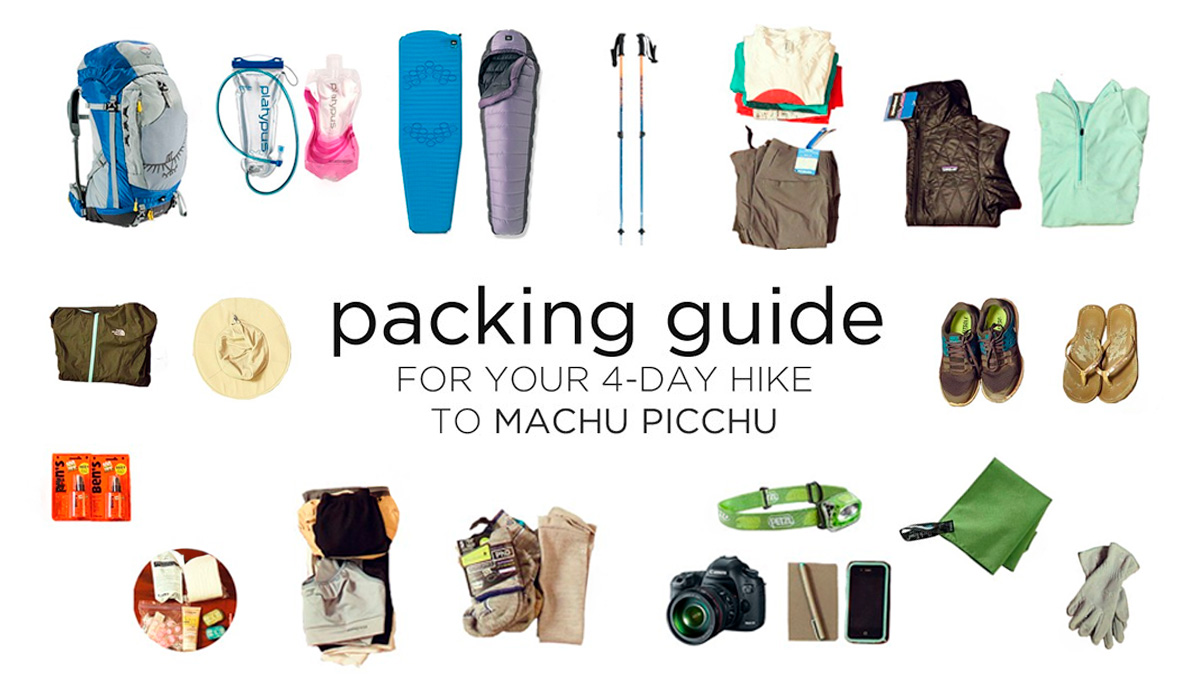
Here is a complete packing list designed to make your trekking through the Peruvian highlands a comfortable, safe, and totally pleasant experience:
Clothing
Backpack
Sleeping Gear:
Personal Essentials
Hydration and Snacks
Miscellaneous
Remember to pack light and bring only the essentials, as you'll be carrying your own backpack during the trek. It's also a good idea to check with your tour operator for any specific packing recommendations or restrictions they may have.
Lastly, don't forget to review the weather forecast for your travel dates and make adjustments to your packing list accordingly. Enjoy your Inca Trail adventure!
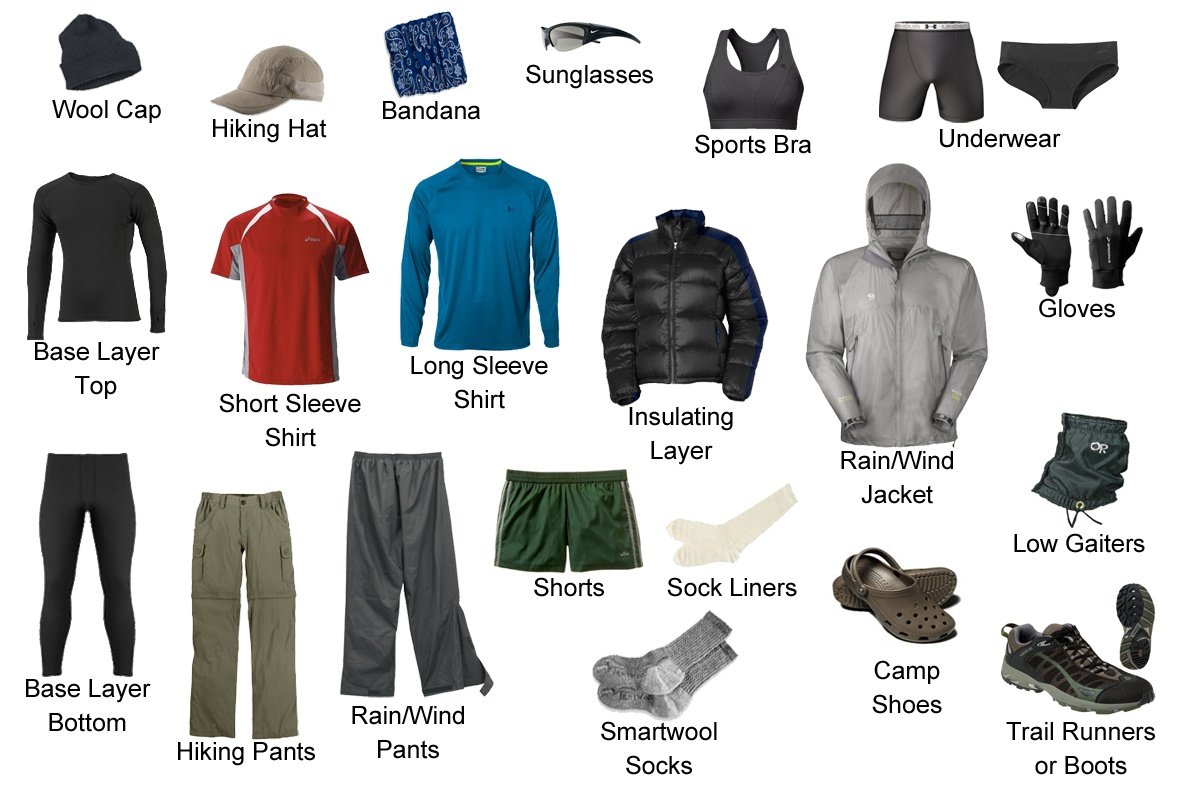
The choice of your clothing is, possibly, the most important factor for enjoying the citadel without problems. When visiting Machu Picchu, it is essential to wear technical clothes that not only keep you comfortable during the walks, but also act as an adjustable shield against the intense sun, the freezing wind, and sudden rains.
It is not just about what to bring, but about how each layer works together to protect you in one of the most dynamic environments in the world. Here are the essential recommendations on what to wear:
Remember, weather conditions can be unpredictable, and it's essential to be prepared for changes in temperature and rainfall. Layering your clothing allows you to adjust accordingly throughout the day. Don't forget to pack a lightweight daypack for carrying essentials like water, snacks, camera, and other personal items during the hike.
When planning to hike Machu Picchu, there are several essential items you'll need to ensure a safe and enjoyable experience. Here's a list of what you'll need:
1. Inca Trail Permit: If you plan to hike the Inca Trail, you'll need to obtain a permit in advance. These permits have limited availability and should be secured well in advance through a licensed tour operator.
2. Machu Picchu Entry Ticket: To enter the Machu Picchu site, you'll need to purchase an entry ticket. This can be done online in advance or in person at the official ticket office in Aguas Calientes, the town near Machu Picchu.
Passport: Carry your valid passport with you as it is required for entry to Machu Picchu. The name on your passport must match the name on your permit and ticket.
3. Proper Hiking Gear:
4. Hydration and Snacks:
5. Basic First-Aid Kit: Carry a small first-aid kit with essentials like adhesive bandages, blister pads, pain relievers, antiseptic wipes, and any personal medications you may need.
6. Cash: Carry enough local currency (Peruvian Soles) for meals, drinks, tips, and any other expenses during your hike.
Remember to check the specific requirements and recommendations from your chosen tour operator, as they may have additional suggestions or requirements for the hike. Stay prepared, stay hydrated, and enjoy your unforgettable hike to Machu Picchu!
The best season is during the dry season which starts in April and ends in September. If you travel in June, we recommend you to book the Inca Trail tours and also Salkantay trek or Sacred valley to Machu Picchu that are other incredible tours located in the Andes near Cusco.
The months of June, July, and August are considered the peak season, with a higher number of visitors. If you prefer to avoid large crowds, you may consider visiting during the shoulder months of May or September when the weather is still favorable, and the trails are relatively quieter.
It's important to note that the Inca Trail is closed annually in February for maintenance, so it's advisable to plan your visit during the months when the trail is open.
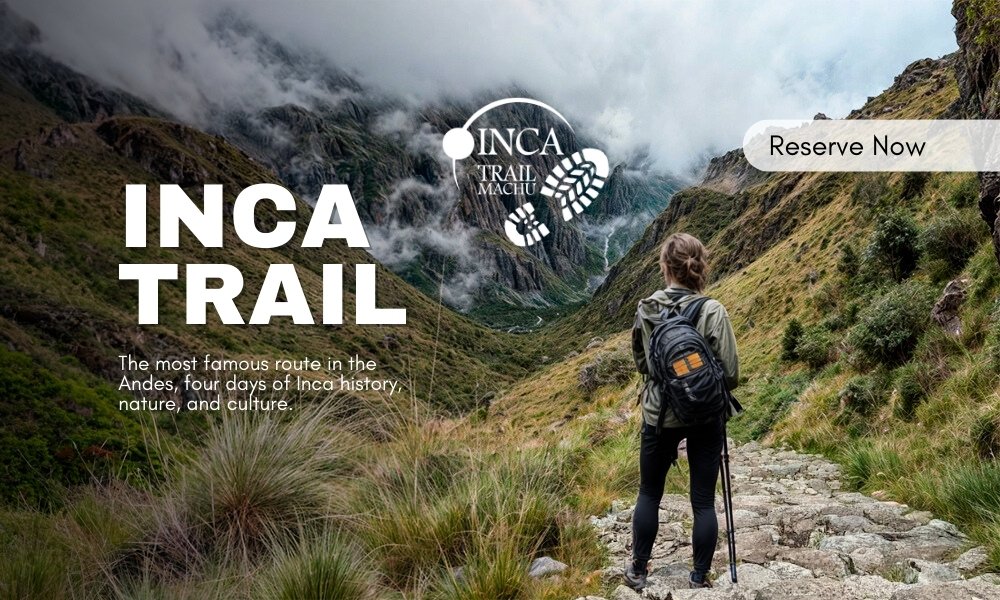
Peru offers fascinating experiences that reveal natural landscapes, historical monuments, and living cultures, captivating those who seek adventure and discovery in every corner of its territory. Get to know the most outstanding tours:
Other trips in Peru
If you want to visit Machu Picchu, we recommend you to book your Machu Picchu Entrance Tickets in advance, so you will enjoy your Vacation in Machu Picchu without any problem.

 +51 84 217 551
 +51 997 434 941
 Av Tupac Amaru PP-10B, Santiago, Cusco, Peru
  info@incatrailmachu.com
 www.incatrailmachu.com


