
Peruvian gastronomy is recognized for its diversity, complexity, and the richness of its ingredients. More than a unified cuisine, it is a melting pot of culinary traditions that reflect the unique geography of the country, covering the Pacific Coast, the Andes Mountains, and the Amazon Jungle.
his fusion of regional cuisines and the influence of migrations (Spanish, African, Chinese, Japanese) have raised the cuisine to be considered the highlight of Peru in the cultural field.
When Peruvians refer to "Creole food" or "typical food", they are referring to this vast collection of dishes that vary drastically from one region to another. A Peruvian Tour is, essentially, a gastronomic trip: you can enjoy fresh ceviche on the coast of Trujillo, try fried guinea pig in mountainous Cusco, or taste exotic flavors like paiche in the jungle of Iquitos.
Below, we explore the distinctive features of the three great regional cuisines of Peru, showing how each place contributes to this unique culinary biodiversity.
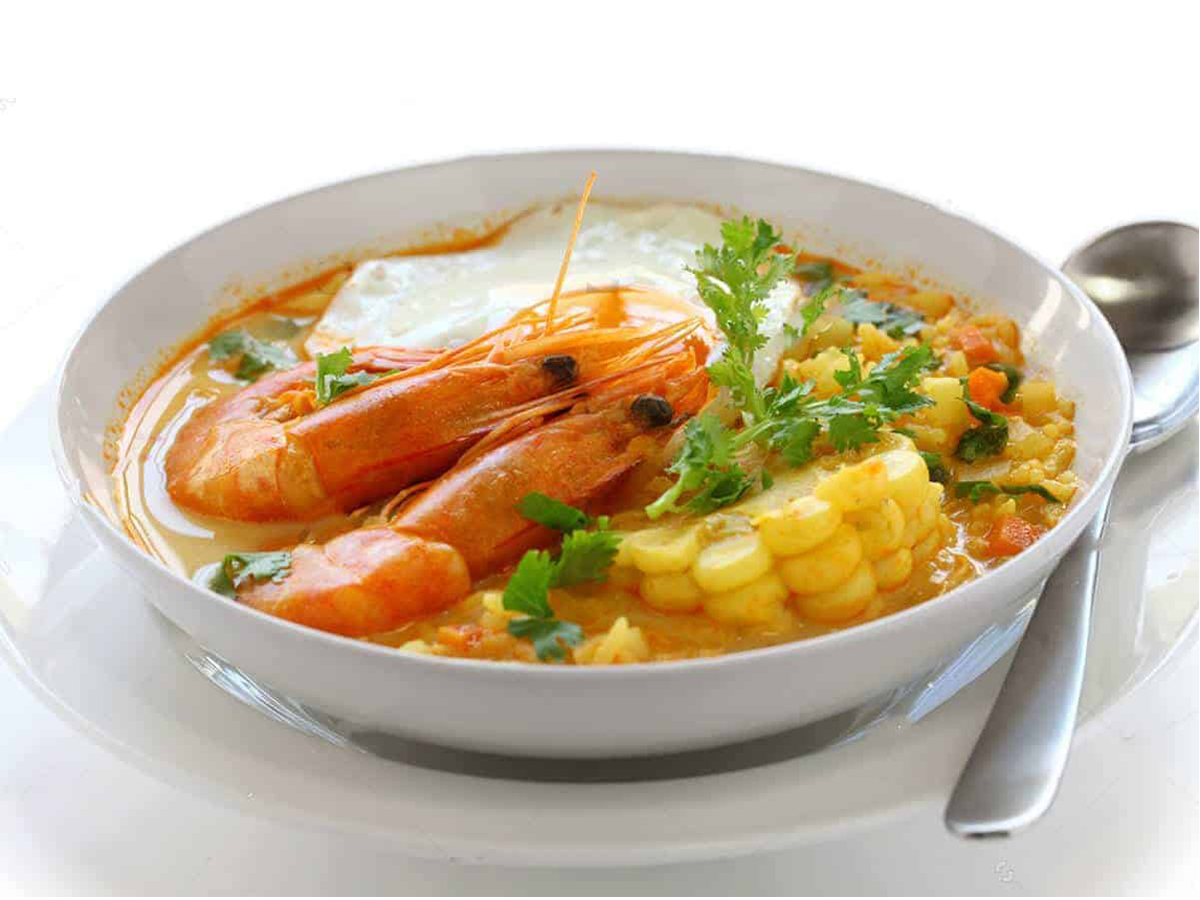
The gastronomy of the Peruvian coast is known for its strong dependence on seafood products that come from the Humboldt Current. This cuisine is notable for its freshness, its intense citrus flavors, and the heavy use of chili peppers.
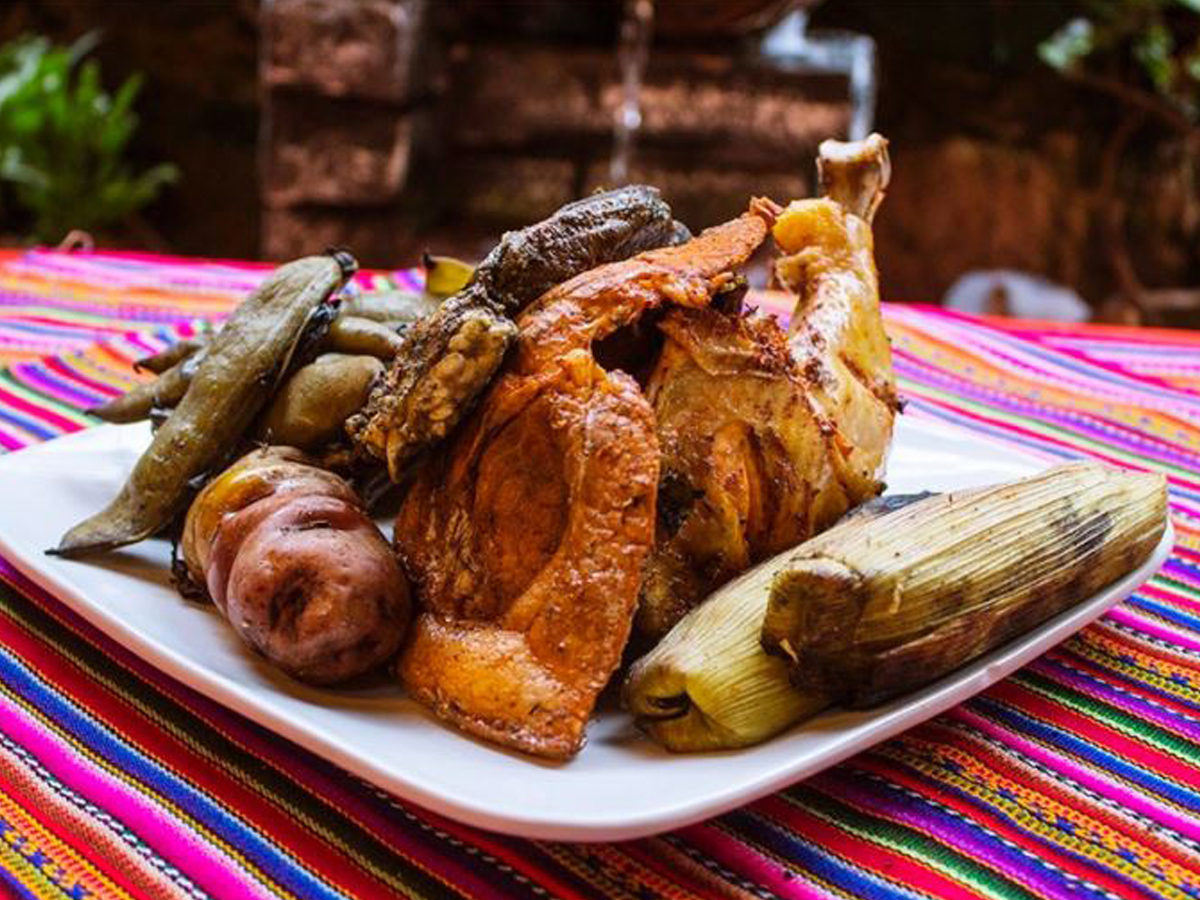
The gastronomy of the Andean region of Peru is known for the use of ingredients native to the highlands and for dishes that are hearty, but are designed to provide energy at altitude. The consumption of tubers, grains, and local meats is dominant.
The gastronomy of the Peruvian Amazon jungle stands out for its exotic character, the use of unconventional ingredients, and the freshness of its river products and local plants. The cuisine of this region is one of the least known globally, but it offers unique and intense flavors.
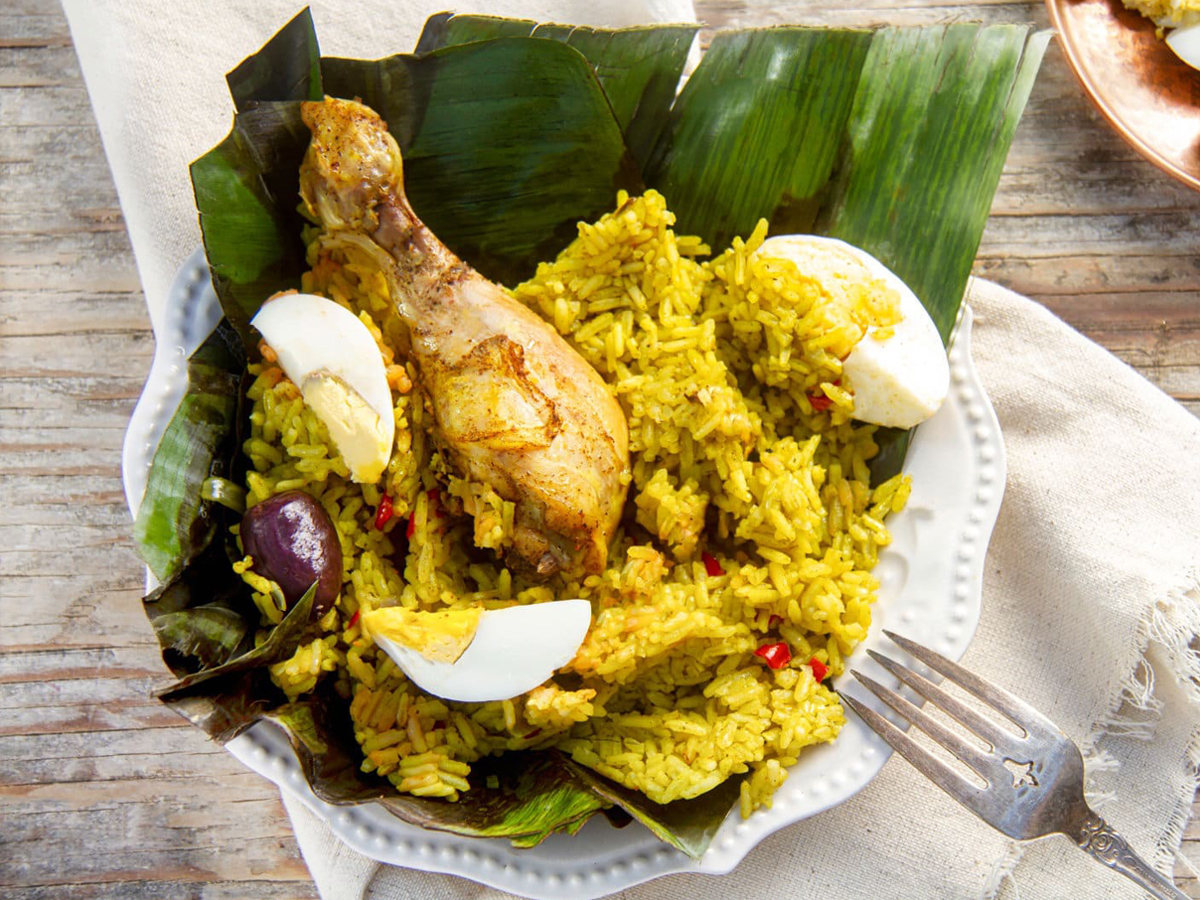
Criollo cuisine refers to the fusion of indigenous, African, and Spanish influences in Peruvian cuisine. It includes dishes such as arroz con pollo (rice with chicken), ají de gallina (chicken in a creamy yellow chili sauce), carapulcra (a stew made with potatoes and pork), and picarones (a sweet doughnut made with squash and sweet potato).
These are just a few examples of the many regional cuisines in Peru. Each region has its own unique culinary traditions, ingredients, and techniques that make Peruvian cuisine so diverse and interesting.
Peruvian cuisine is one of the most diverse and flavorful in the world, and it has been influenced by various cultures over the centuries. Here are some popular Peruvian dishes:
These dishes represent the culmination of centuries of mixing and history, defining Peruvian gastronomy worldwide. They are dishes common across the regions that every traveler must try:
Arroz con Pollo: A classic Creole favorite. It consists of rice cooked in a vibrant green broth based on coriander (cilantro), spinach, and yellow chili, served with chicken pieces and usually accompanied by a creole sauce (red onion, chili, and lemon).
Lomo Saltado: This dish is the perfect example of Chifa (Chinese-Peruvian) fusion. It is a stir-fry where pieces of beef are cooked quickly in a wok over high heat with onion, tomato, yellow chili, soy sauce, vinegar, and spices.
Ají de Gallina: An elegant and comforting Creole dish. It consists of shredded hen bathed in a thick and creamy sauce, prepared with yellow chili (which gives it the color but not the excessive heat), walnuts, and bread soaked in milk.
Pollo a la Brasa: Simply, the most consumed dish in Peru. It is a whole chicken marinated in a secret mixture of spices (which includes black beer, cumin, and panca chili) and cooked slowly by the heat of the embers in a special rotating oven (rotombo).
Pachamanca: Although it is more of a technique than a dish, it is the maximum expression of Andean cuisine. It consists of cooking meats (beef, pork, lamb) and tubers (potatoes, oca, corn) underground on hot stones.
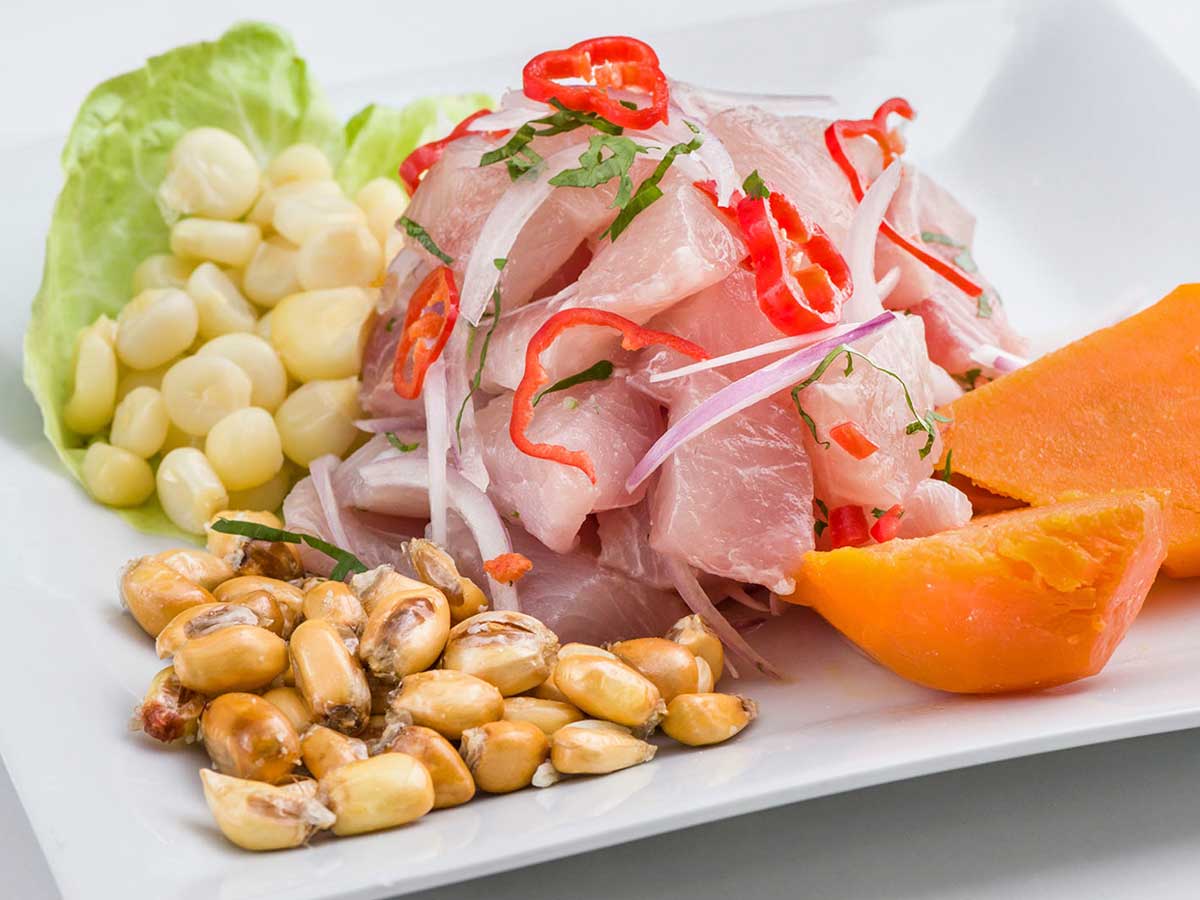
These are just a few examples of the many delicious dishes that you can try in Peru. The country's cuisine is known for its use of fresh ingredients, bold flavors, and fusion of different culinary traditions.
For the traveler preparing for adventure in Peru, especially towards Machu Picchu, it is essential to know what to expect from the cuisine in the higher altitude areas and during trekking.
Upon arriving in Cusco, you find a place full of Andean and Creole Cuisine. Therefore, the local diet is designed to provide energy and help with altitude acclimatization:
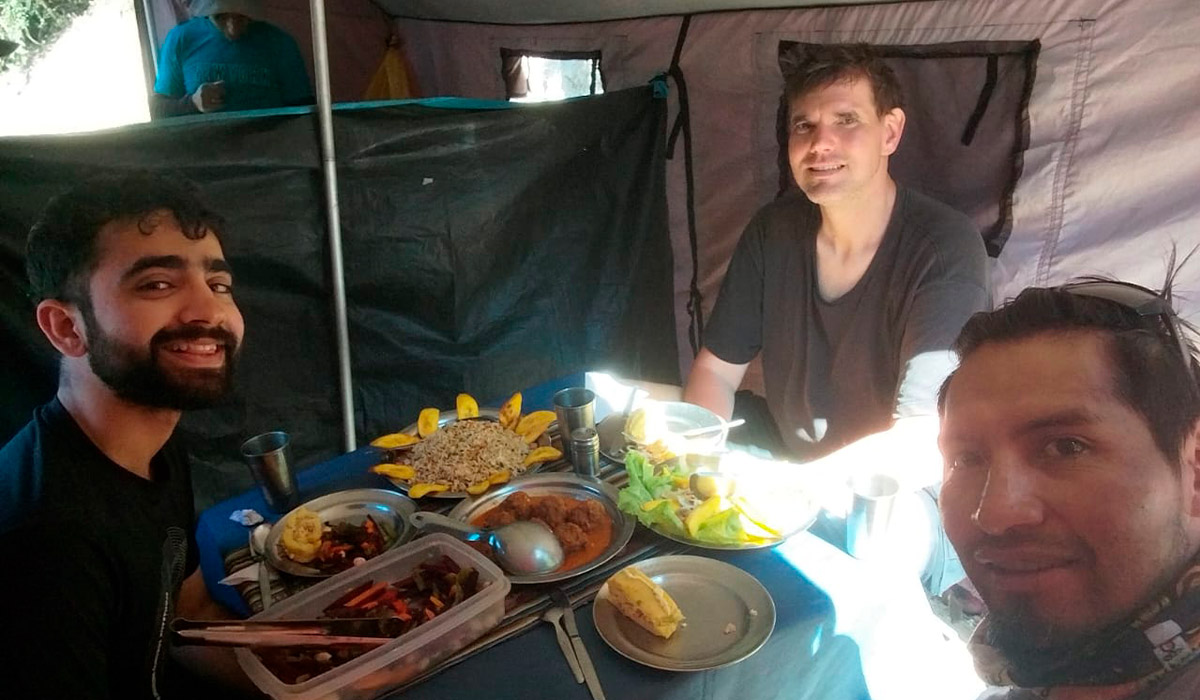
If you do a trek like the Inca Trail or the Salkantay trek, your food will be a culinary surprise thanks to the skill of the route's cooks:
In summary, your trip through Peru is also a gastronomic journey that perfectly complements history and landscapes. Eating is part of the adventure!
Peruvian cuisine is considered one of the best in the world because it offers a unique blend of flavors and influences from the country's rich history and diverse geography. Peru's cuisine has been shaped by a variety of factors, including its indigenous cultures, Spanish colonialism, and immigration from Asia and Africa.
Peruvian food is characterized by the use of fresh ingredients, such as seafood, potatoes, corn, and a variety of herbs and spices. Peruvian dishes often feature a blend of sweet, sour, and spicy flavors, which make them stand out from other cuisines.
Another reason why Peruvian gastronomy is so highly regarded is the creativity and innovation that Peruvian chefs bring to their dishes. They use traditional ingredients and cooking techniques, but also incorporate new ingredients and cooking styles to create unique and exciting dishes.
Furthermore, the Peruvian government has invested in promoting and developing the country's gastronomy as a way to boost tourism and the economy. This has led to the recognition of Peruvian cuisine on the international stage, with Lima being named the "Gastronomic Capital of the Americas" and several Peruvian restaurants receiving Michelin stars.
In summary, the combination of fresh ingredients, unique flavors, creativity, and government investment has made Peruvian cuisine one of the best in the world.

Peru offers fascinating experiences that reveal natural landscapes, historical monuments, and living cultures, captivating those who seek adventure and discovery in every corner of its territory. Get to know the most outstanding tours:
Other trips in Peru
If you want to visit Machu Picchu, we recommend you to book your Machu Picchu Entrance Tickets in advance, so you will enjoy your Vacation in Machu Picchu without any problem.

 +51 84 217 551
 +51 997 434 941
 Av Tupac Amaru PP-10B, Santiago, Cusco, Peru
  info@incatrailmachu.com
 www.incatrailmachu.com


