
When planning your trip to Peru, and specifically to Machu Picchu, you are surely expecting the trip of a lifetime; however, before putting on your boots, you must make strategic decisions. One of the most important for those looking for treks and adventure in Peru comes down to a fundamental question: Which is better: the Lares Trek or the Inca Trail?
One would think that the biggest difficulty lies in what to pack or where to stay, but the choice of the path completely defines the nature of your experience. The Inca Trail is the most famous historic route in the world, but its high demand and permit restrictions have made way for extraordinary alternatives.
The Peruvian Highland trek offers gems like the Lares Trek, an impressive path that does not require government permits and offers a close look at local communities, with the goal of getting to know their culture. So, in this article, we will break down the technical, logistical, and landscape differences of both journeys to help you decide which of these two routes aligns best with your traveler profile.
The Inca Trail from Cusco is, without a doubt, the crown jewel of South American trekking. It is the route that every traveler recognizes, but your choice should be based on the desire to walk a path with an unmatched historical weight.
Unlike any other route, the Inca Trail offers a series of attractions along its path; therefore, before setting foot in the citadel, hikers cross various archaeological complexes that are completely inaccessible to tourists traveling by train.
So, places like Sayacmarca, Phuyupatamarca, and Winay Huayna allow you to see ancient Inca settlements and understand how they lived and organized their territory.
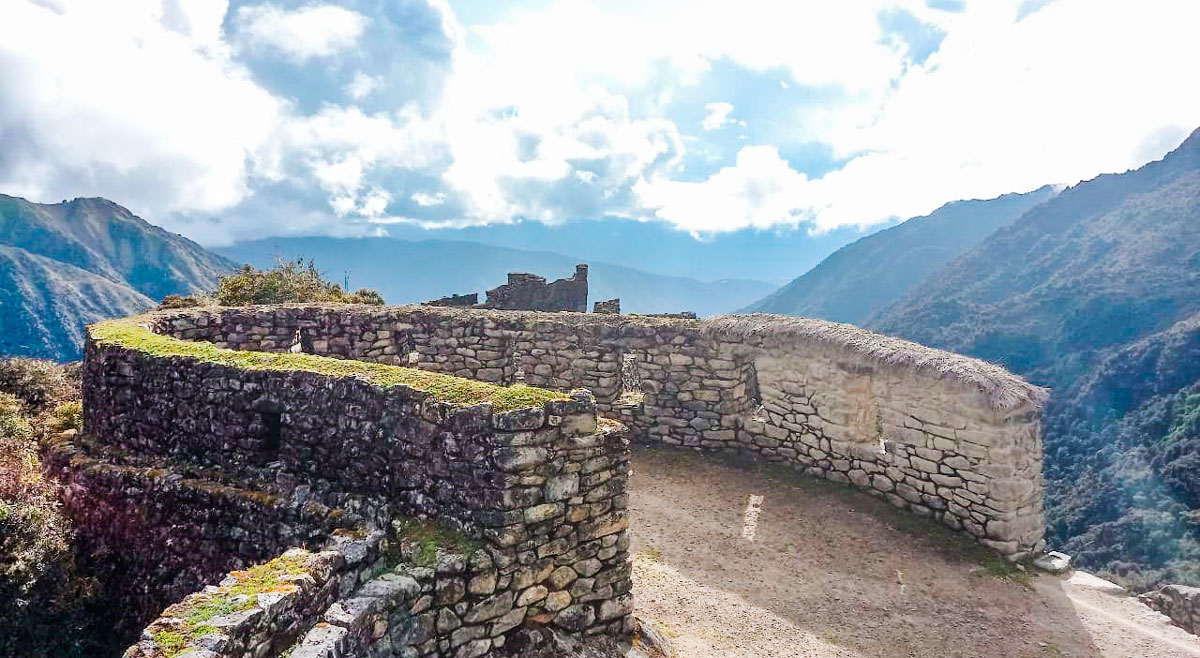
A deciding factor in this comparison is the arrival point. The Inca Trail is the only route in the world that allows you to enter Machu Picchu by walking through the Inti Punku (Sun Gate).
This triumphant entrance offers the first panoramic view of the citadel at sunrise, an experience that many travelers describe as the most exciting and overwhelming moment of their expedition.
Despite its beauty, there are critical points that you must evaluate when deciding between the Lares Trek vs. Inca Trail. This route presents important administrative challenges that you must consider when planning your vacation in Cusco:
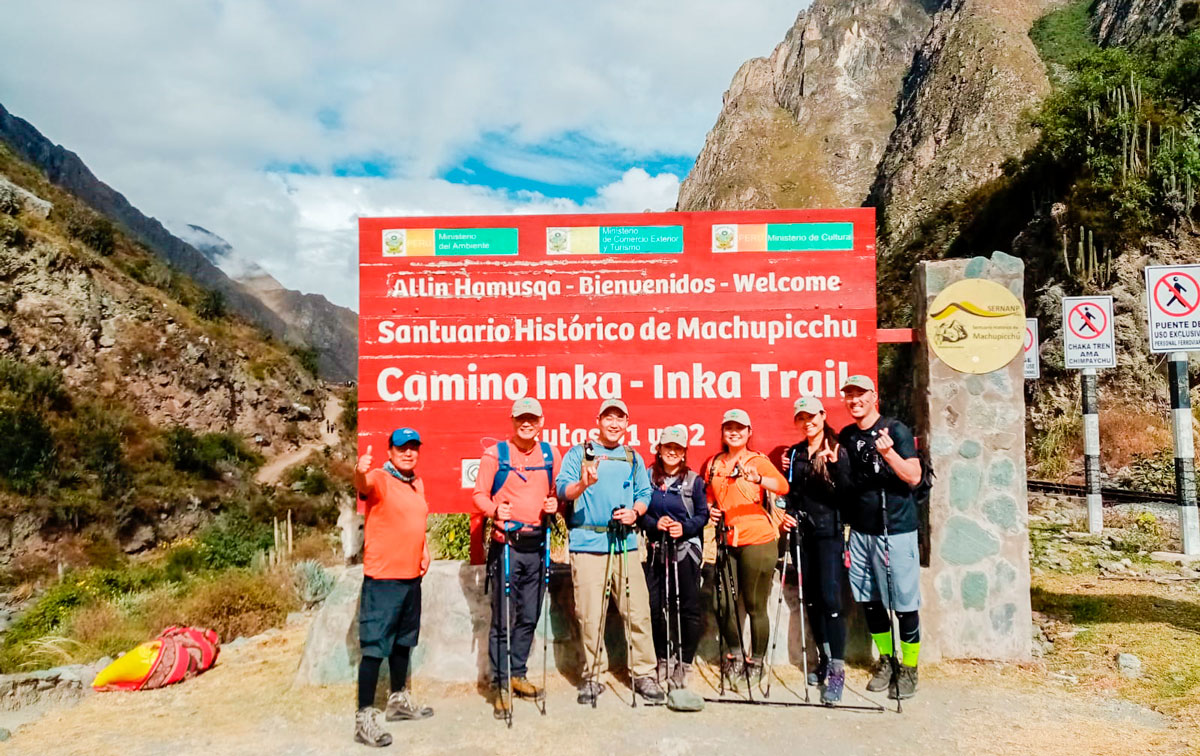
The path is famous for its thousands of stone steps. The second day is the most critical, with the climb to the Warmiwañusca pass (4,215 masl). It is not a technical hike, but it does require cardiovascular endurance and knees prepared for long descents.
If you are looking for an alternative that combines nature and Andean towns, the Lares trek in Peru is the ideal option. Often described as the Cultural Inca Trail, this route offers a completely different perspective of the Andes.
First, a notable advantage is that the Lares trekking is slightly less complicated physically in terms of total distance, covering approximately 33 kilometers compared to the 44 kilometers of the traditional route.
When comparing the Lares trek vs. Inca Trail, availability is the deciding factor. The Lares Trail is much less known in the mass tourist circuit.
What really makes the Lares trek in Peru stand out is the contact with local communities. The path crosses remote towns where the residents still wear their traditional clothes and work in textiles and herding llamas and alpacas.
It is important to note that the Lares trekking ends in the town of Ollantaytambo, from where the train is taken to Aguas Calientes. Unlike the Lares trek vs. Inca Trail, on this route you do not arrive walking through the Sun Gate, but rather you enter the citadel in a conventional way the day after the trekking, which allows you to start the visit more rested.
RELATED STORY:LARES VALLEY TREK
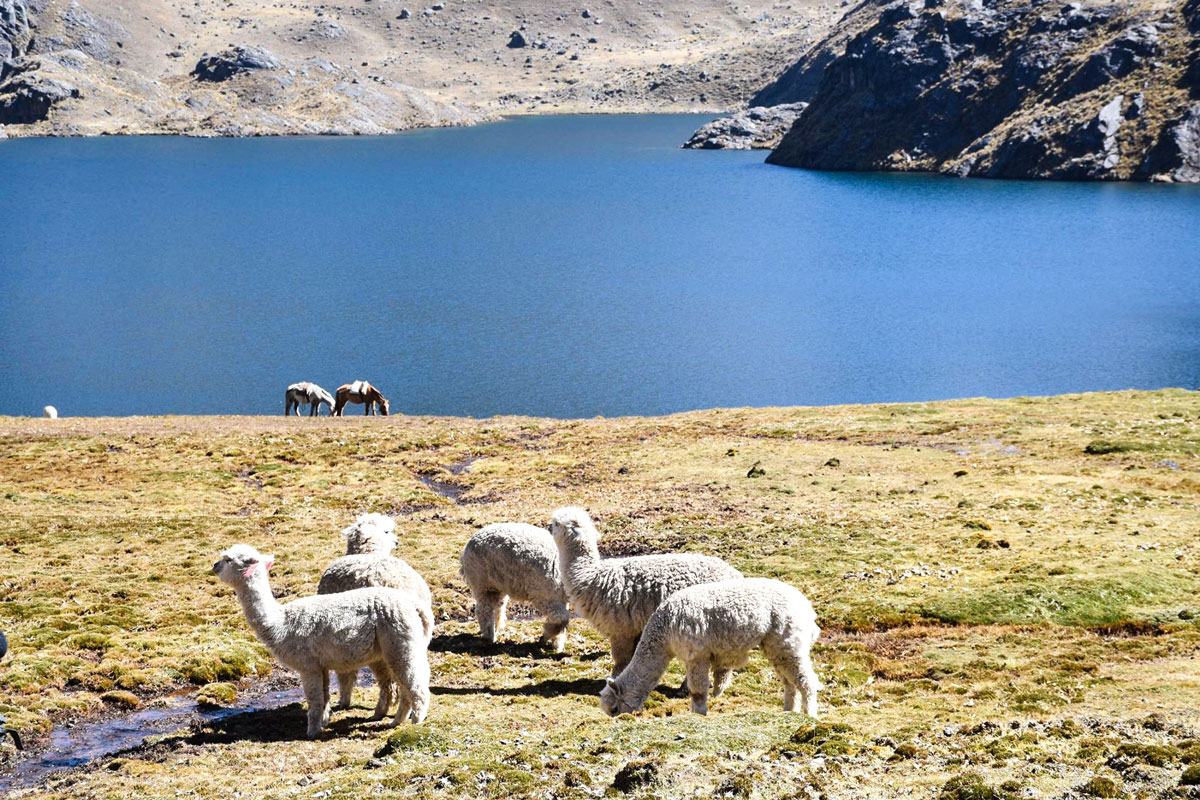
The choice between these two routes comes down to what you want to experience beyond the final goal. When analyzing the Lares Trek vs. Inca Trail, a fundamental difference in the setting appears:
Key points to consider:
There is no single answer for the Lares Trek vs. Inca Trail. It all depends on whether you prefer to be an explorer of history or a guest in the daily life of the modern Andes.
At the end of the day, both routes end with the imposing view of Machu Picchu. Whatever your choice, planning in advance and good acclimatization will ensure that this adventure is the highest point of your trip.
RELATED STORY:LARES TREK VS SALKANTAY
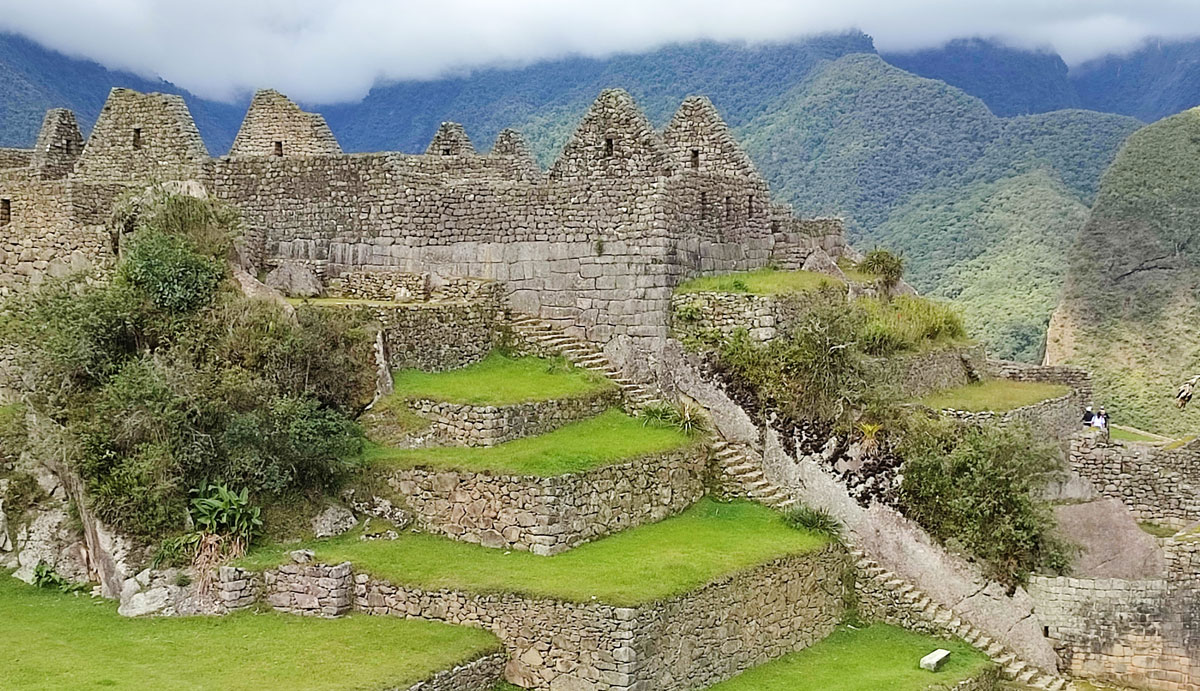
Peru is a country full of contrasts: coast, highlands, and jungle offer unique routes for those seeking adventure, history, and unforgettable landscapes. From cities full of heritage to amazing natural destinations, each region shows a different side of the country and leaves indelible memories. Get to know the best tours in Peru:
Inca Trail, Machu Picchu and more
If you want to visit Machu Picchu, we recommend you to book your Machu Picchu Entrance Tickets in advance, so you will enjoy your Vacation in Machu Picchu without any problem.


 +51 84 217 551
 +51 997 434 941
 Av Tupac Amaru PP-10B, Santiago, Cusco, Peru
  info@incatrailmachu.com
 www.incatrailmachu.com


