
The Peruvian Amazon, is one of the richest ecosystems on the planet, highlighted by reserves like the Manu, Tambopata, and Bahuaja-Sonene National Parks. This vast region is a center of biodiversity, holding remarkable numbers of flora and fauna, including more than 1,000 species of birds and thousands of types of plants.
Temperatures stay consistently high and humid (19°C to 31°C), so when planning your jungle adventures Peru you must take the climate variables into account. Also, the Peruvian Amazonjungle has 2 seasons, a rainy season (November to March), when water levels are higher, and a dry season (April to October).
Access to this area is limited and managed from two main points: Puerto maldonado and Cusco (the starting point for the tour to Manu). The choice of the best time to visit the Peruvian Amazon depends on the traveler's interest (for example, if they prefer navigable rivers or dry trails) and the specific activity of the wildlife. This guide will break down the features of both seasons to help you decide the best time for your trip.
Peru is home to a significant portion of the Amazon rainforest, covering approximately 60% of the country's land area. The Peruvian Amazon is known for its incredible biodiversity, with tens of thousands of plant and animal species living within its borders.
The Amazon River, which is the largest river in the world by volume, originates in Peru and flows through the heart of the country's Amazon region. The river is a vital resource for the indigenous communities that live along its banks, providing transportation, food, and water for their daily needs.
The Peruvian government has established several protected areas in the Amazon region, including national parks, reserves, and communal reserves, to conserve the region's natural resources and biodiversity. These areas are also home to many indigenous communities, some of which have lived in the Amazon for thousands of years and continue to practice their traditional ways of life.
Tourism is a significant industry in the Peruvian Amazon, with visitors coming to explore the region's natural beauty, wildlife, and cultural heritage. Visitors can take guided tours of the rainforest, go birdwatching, hike to waterfalls, and learn about indigenous cultures and traditions.
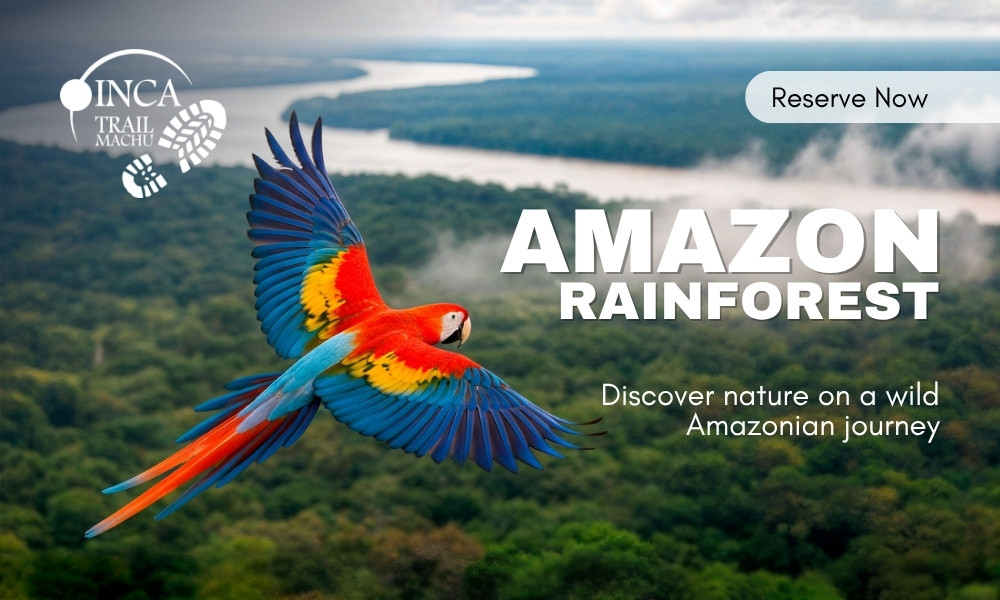
Peruvian Amazon is vast and varied, offering ecosystems that range from the thick Andean cloud forest to the deep low jungle. For the traveler looking to combine Andean adventure with the jungle, the choice of the Amazon destination depends on three factors: time, budget, and the type of wildlife you want to see. For those traveling from Cusco, the decision focuses on accessibility and travel time.
Tambopata, with main access through Puerto Maldonado, is the most popular and efficient option to combine with a trip to Cusco.
The Manu National Park is one of the most biodiverse natural areas on the planet, which makes it the ideal destination for true nature lovers and research.
Iquitos is the gateway to the most iconic jungle of Peru and is located in the heart of the Amazon basin.
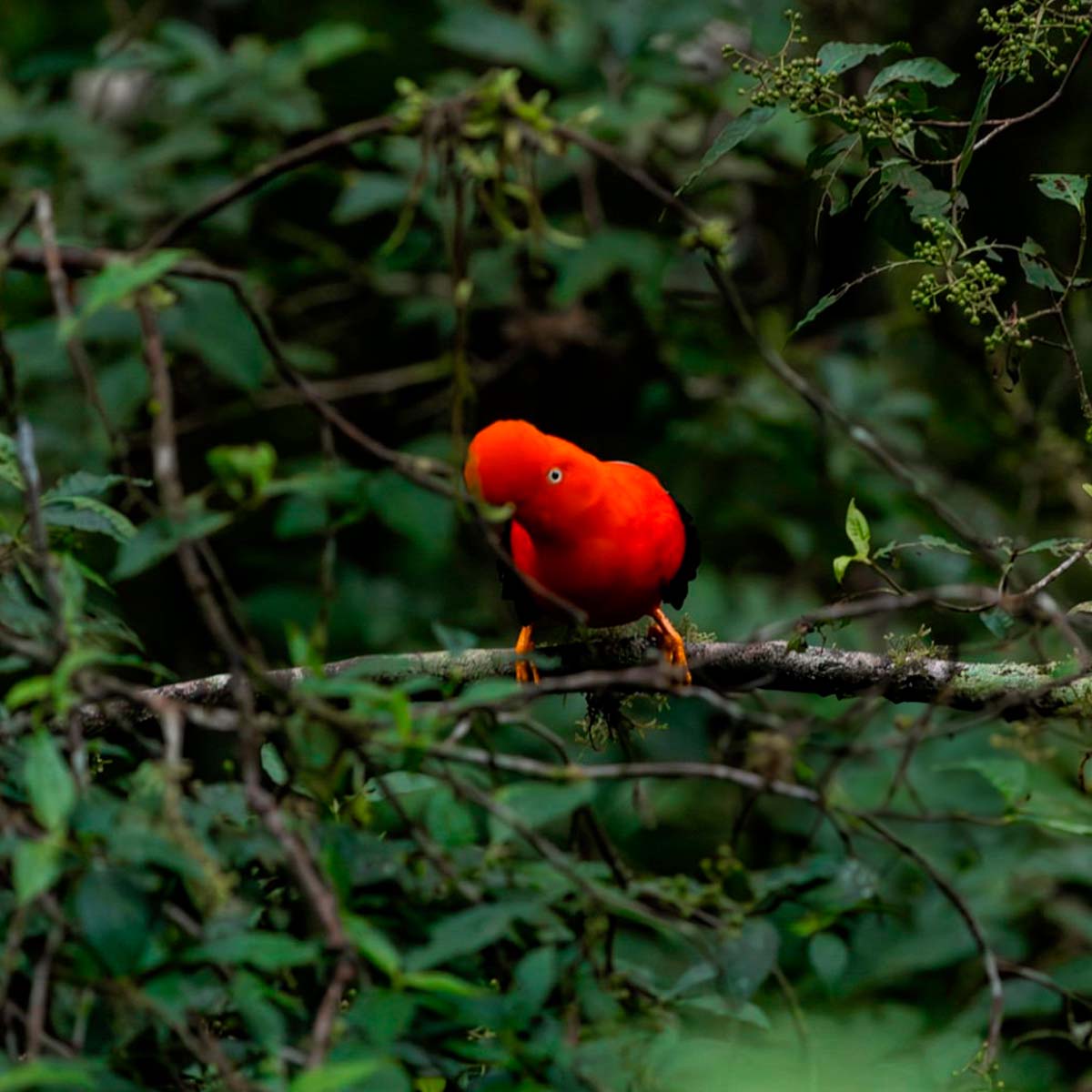
Not all of the Amazon is low jungle. The High Jungle (or Cloud Forest) is located on the eastern slopes of the Andes and offers a fascinating ecological transition that is accessible from Cusco.
 |  |
The Amazon Rainforest in Peru covers a vast area of land, making up around 60% of the country's territory. It is one of the most biodiverse regions in the world, with a rich variety of flora and fauna that supports the livelihoods of indigenous communities and plays a crucial role in the global ecosystem.
The Peruvian Amazon is home to several national parks, reserves, and protected areas that are intended to preserve the rainforest's unique ecology and prevent further deforestation. Some of the most well-known protected areas include the Manu National Park, Tambopata National Reserve, and Pacaya Samiria National Reserve.
The Manu National Park is one of the largest protected areas in the world, and it is home to an incredible diversity of plant and animal species, including jaguars, tapirs, and over 1,000 species of birds. Tambopata National Reserve is another important protected area, known for its macaw clay licks and diverse wildlife, including capybaras, giant otters, and howler monkeys.
In addition to its ecological significance, the Peruvian Amazon is also home to many indigenous communities who have lived in the region for thousands of years. These communities rely on the rainforest for their livelihoods, using traditional methods of agriculture, hunting, and fishing to sustain themselves.
Tourism is a growing industry in the Peruvian Amazon, with visitors coming to explore the region's natural beauty, wildlife, and cultural heritage. Activities such as jungle treks, birdwatching, and canoeing are popular among visitors, and many tour companies work with indigenous communities to offer authentic cultural experiences.
The best time to visit the Amazon Rainforest in Peru depends on what you want to experience and see during your trip. The climate in the Amazon is tropical, with high humidity and temperatures ranging from 25-35°C (77-95°F) year-round. However, there are distinct wet and dry seasons.
The dry season in the Amazon usually runs from May to October, with less rainfall and lower water levels in the rivers. It is a good time to explore the jungle on foot and participate in activities such as hiking, bird watching and animal sightings. This season is the best time of year to visit Peruvian Amazon, since the weather conditions are more stable and the probability of rainfall is very low.
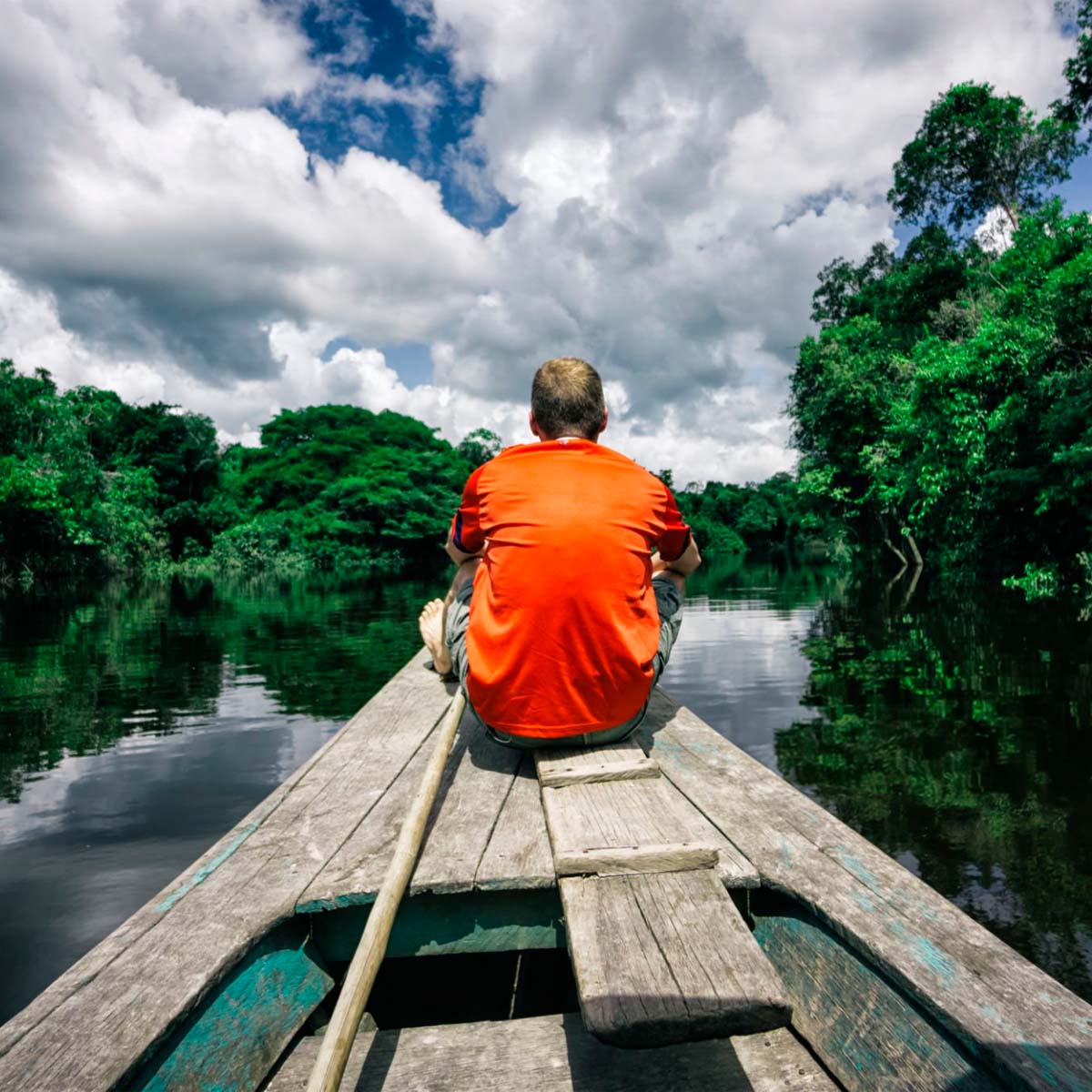
The wet season in the Amazon runs from November to April, with heavy rainfall and higher water levels in the rivers. While the rain can make some activities more challenging, it also creates an incredible lush and vibrant environment that is perfect for exploring by boat. During this time, you can take a guided boat tour to see the flooded forest, observe aquatic wildlife, and visit indigenous communities.
It's important to note that the weather in the Amazon can be unpredictable, and rain can occur at any time of year. Additionally, the Amazon is a vast region, and weather conditions can vary significantly from one area to another.
In general, the best time to visit the Amazon Rainforest in Peru is from June to September, during the dry season when there is less rainfall, lower humidity, and better visibility for wildlife spotting. However, the wet season also has its own unique charms and can be a great time to visit for those who don't mind a bit of rain.
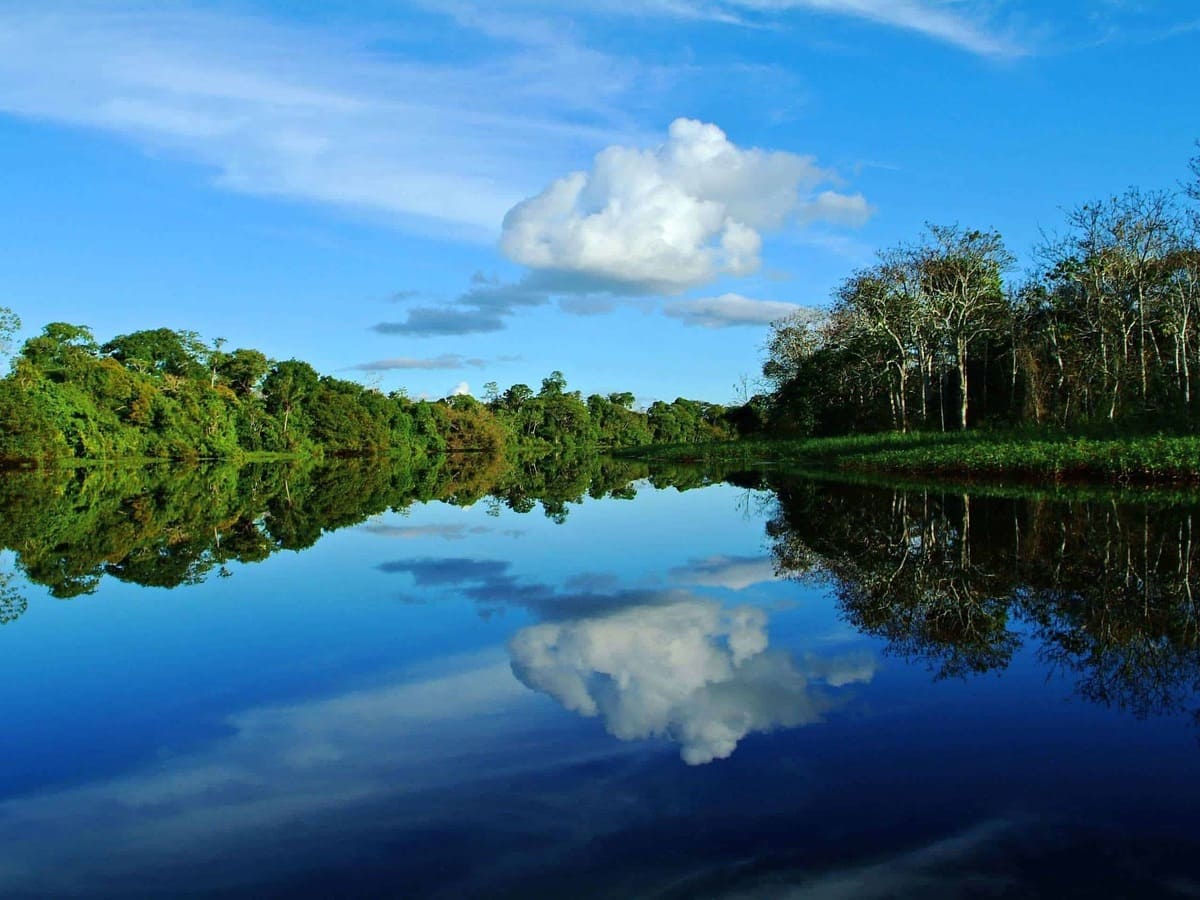
The Amazon Rainforest in Peru has a tropical climate with high humidity and temperatures ranging from 25-35°C (77-95°F) throughout the year. The region experiences distinct wet and dry seasons, which can impact the weather conditions and travel experiences.
The dry season in the Amazon typically runs from May to October, with less rainfall and lower humidity levels. During this time, temperatures can be slightly cooler, and the skies are generally clearer, making it an ideal time for outdoor activities such as hiking, birdwatching, and wildlife spotting.
The wet season in the Amazon typically runs from November to April, with heavy rainfall and high humidity levels. This time of year can make some activities more challenging, but it also creates an incredible lush and vibrant environment that is perfect for exploring by boat. During this time, you can take a guided boat tour to see the flooded forest, observe aquatic wildlife, and visit indigenous communities.
It's important to note that the weather in the Amazon can be unpredictable, and rain can occur at any time of the year. Additionally, the weather conditions can vary significantly from one area to another within the region.
Visitors should come prepared for warm and humid weather conditions, with lightweight, breathable clothing and plenty of sunscreen and insect repellent. It's also a good idea to bring rain gear and waterproof bags for protecting cameras and other valuables during rainy periods.
Peru offers fascinating experiences that reveal natural landscapes, historical monuments, and living cultures, captivating those who seek adventure and discovery in every corner of its territory. Get to know the most outstanding tours:
Other trips in Peru
If you want to visit Machu Picchu, we recommend you to book your Machu Picchu Entrance Tickets in advance, so you will enjoy your Vacation in Machu Picchu without any problem.

 +51 84 217 551
 +51 997 434 941
 Av Tupac Amaru PP-10B, Santiago, Cusco, Peru
  info@incatrailmachu.com
 www.incatrailmachu.com


