
Peru has become an ideal destination for travelers looking for real adventures. Its geography is so large and diverse that it offers options far beyond what a short itinerary can cover. When organizing your trip, it is vital to correctly locate each destination: you can start in the coastal capital ofLima, go up to the impressive mountains and colonial architecture cities in the Andes (such as Cusco, Ayacucho or Arequipa), or isolate yourself in the remote lodges located in the heart of the Amazon Jungle, in areas like Manu or Iquitos.
Much of the tourism in the country focuses on exploring first-hand the impressive legacies of pre-Columbian civilizations. Planning your route with specialized operators, such as Inca Trail Machu, makes logistical and safe access to these archaeological wonders easier.
The alternatives are very varied, allowing you to walk through historic sites like the Inca Trail in the southern highlands, or discover giant citadels in the north, like the mud city of Chan Chan or the fortified fortress of Kuelap in Chachapoyas.
Without a doubt, the highlight for the vast majority of visitors is the arrival at the ancient citadel of Machu Picchu. The true appeal of designing vacation packages in a country with a 3,220-kilometer coast, snowy mountain ranges, and dense jungle, lies in the flexibility of combining ecosystems. The key to a successful trip is not trying to see everything in one week, but carefully putting together your own list of destinations and activities according to your available time and physical condition.
Peru is one of the most diverse destinations in South America. Since you can easily visit different ecosystems and enjoy very different experiences in a single travel itinerary, it is the ideal choice for travelers interested in culture, adventure, nature, or great food.
Also, thanks to its connectivity, you can go from walking through ancient Inca ruins in the Andes, to exploring the dense life of the Amazon jungle, and finally relax with a dinner in front of the Pacific Ocean in Lima. On the other hand, while the Inca buildings are the main attraction, the true wealth of the country is in its people. Each region (coast, highlands, and jungle) is very proud of its roots, offering a look at its unique traditions, music and art.
It is important to mention that Peruvian food is no longer just an extra; it is now a reason to travel on its own. Since it wins international awards every year, you are guaranteed a great eating experience every day, whether eating in a traditional Andean market or in a restaurant in the capital.
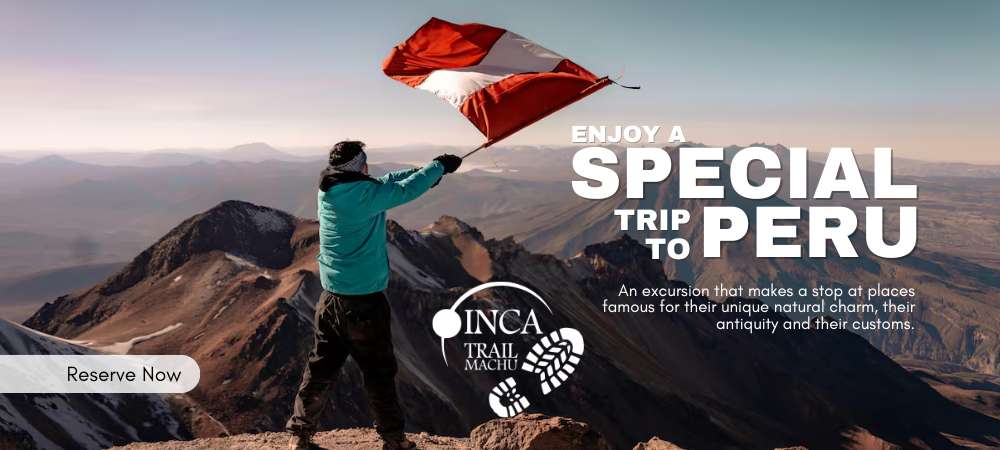
When checking travel itinerary options, you will notice that most are built around specific regional circuits to save time, handle transport, and help with the necessary adjustment to the altitude. Below, we will tell you more about the best destinations that are usually part of any travel package in Peru.
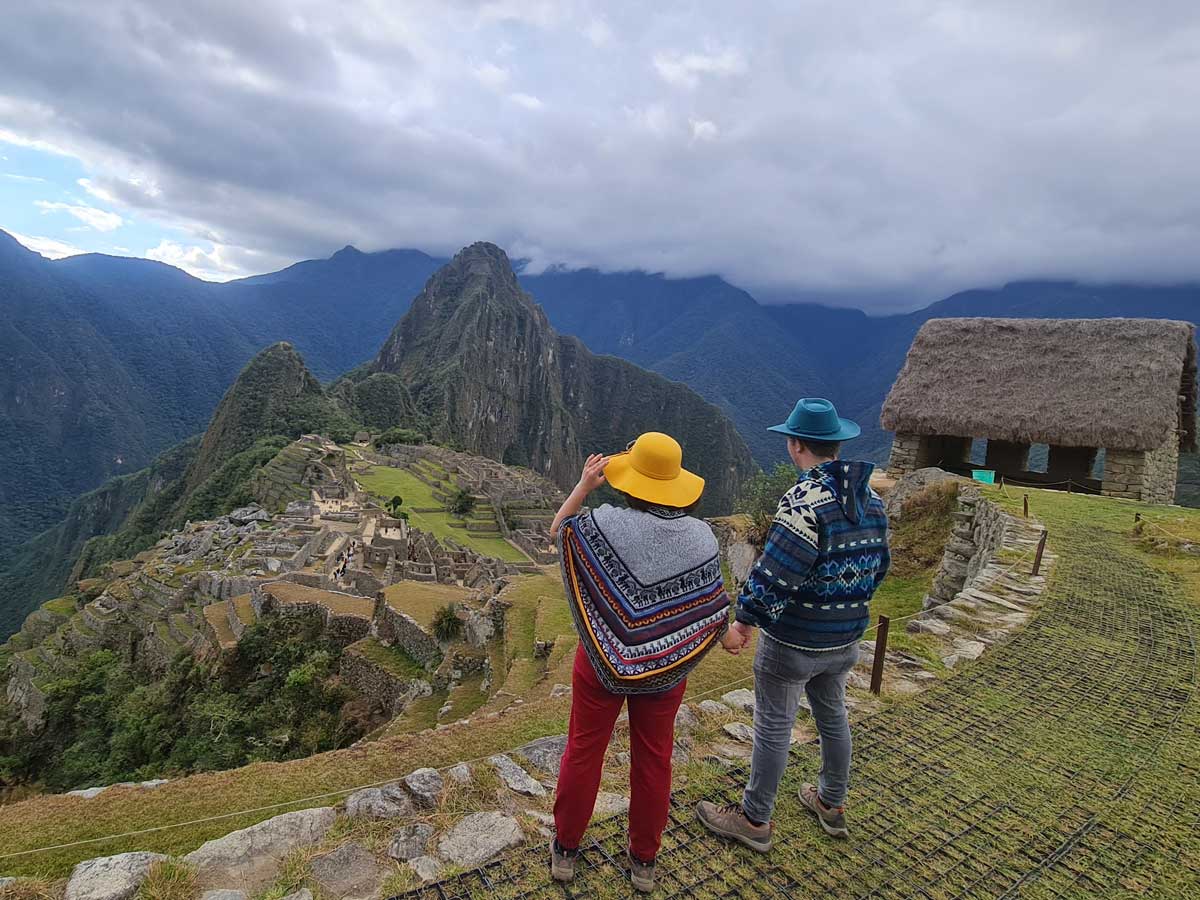
The complex geography of Peru makes the weather change a lot depending on the region you visit. Choosing the right time to book your tour package will define your whole experience, the prices you will pay, and if your trips are possible. To make the best choice, you must understand how the seasons work in the country:
High season matches the driest months (from June to August) and international holidays. During this time, global demand is huge. Buying a package for these dates requires strict planning: you must book 4 to 6 months in advance to secure train tickets and entries to Machu Picchu, knowing that service and hotel rates will be at their highest.
On the other hand, the low season happens during the rainy months. Buying a package in this time window guarantees much cheaper rates, more power to negotiate with agencies, and the luxury of visiting archaeological sites without crowds. If you are looking for the smartest choice, aim for the transition months (April, May, September, and October): they offer a perfect balance between okay weather, fair prices, and good availability.
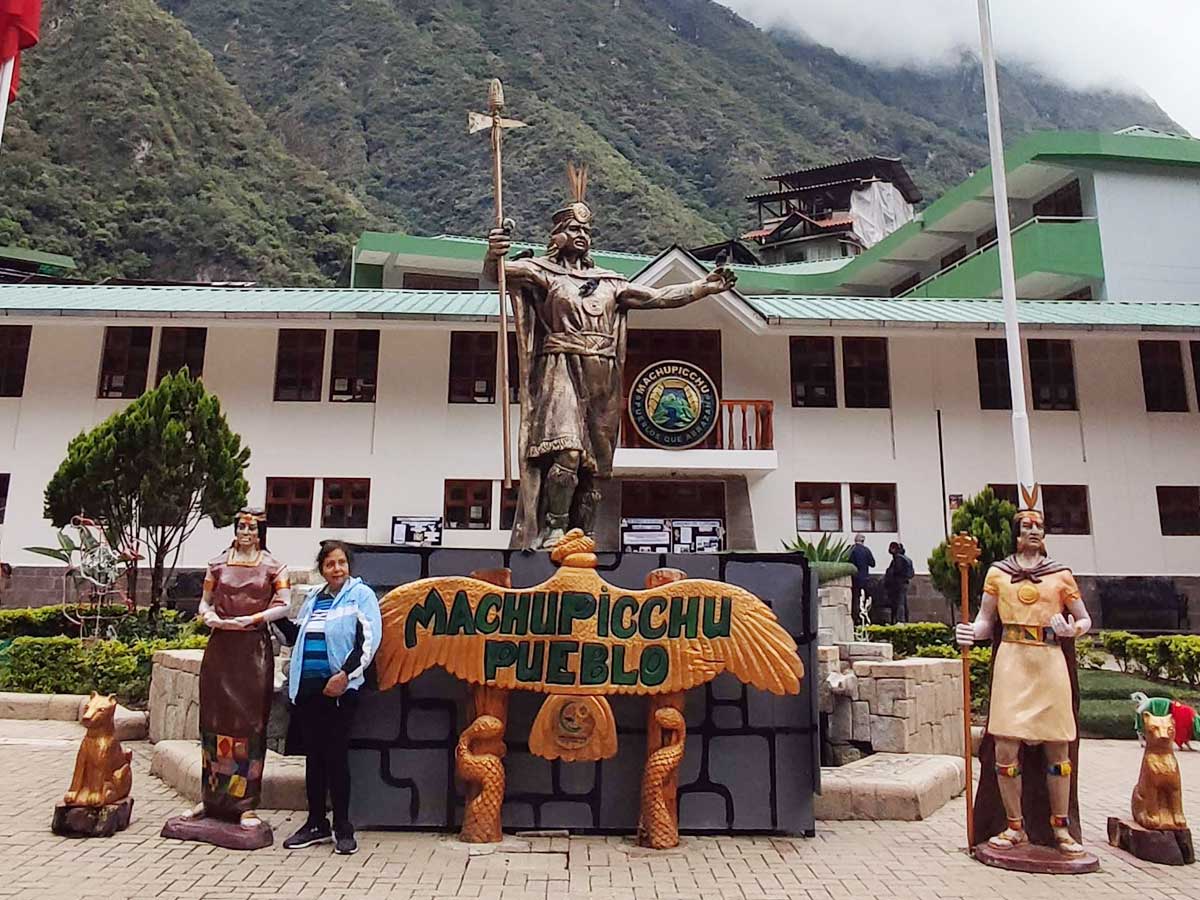
Choosing the right itinerary will depend only on your available days, your budget, and the travel pace you are willing to handle. To help you see the logistics on the ground, we have broken down the most requested routes by travelers, from 5 day trips to full expeditions that cross several destinations.
This itinerary is designed for travelers with limited time who want to check the world wonder off their list. The trip starts with a quick stop in Lima, allowing just a dinner or a short tour of its historic center, before taking an early morning flight to the Andes.
Upon arriving in Cusco, the time for acclimation is almost zero, which is the biggest physical and medical challenge of this package. Because of this, the logistics usually dictate an immediate train transfer to the town of Aguas Calientes (located at a lower altitude) to visit the Machu Picchu citadel the next day, leaving just a few free hours to explore the steep streets of the imperial city before taking the return flight.
Considered the classic package and the smartest choice for a first visit to Peru. By adding a couple of extra days, this itinerary allows including the Sacred Valley of the Incas, a key geographic step that helps the traveler's body acclimate naturally and safely before doing more physical efforts.
With this time frame, the route flows without a rush: after arriving in Cusco, travelers go directly down to the Sacred Valley to explore the great fortresses of Pisac and Ollantaytambo. From there, the train to Machu Picchu is taken, finishing the circuit with a couple of relaxed days in the city of Cusco to enjoy its colonial architecture and museums without suffering from altitude sickness.
This option is wide, going deep into the southern high plateau. After finishing the main archaeological circuit (Lima, Sacred Valley, and Machu Picchu), the itinerary connects the Cusco region with Puno through the well-known "Route of the Sun", a full-day scenic trip by tourist bus or train that crosses amazing high Andean landscapes and mountain passes that go over 4,300 meters.
The main goal of this extension is to sail the cold blue waters of Lake Titicaca. Travelers visit the famous floating islands of the Uros and the communities of Taquile Island. Since Puno is at more than 3,800 meters above sea level, reaching this point after spending a week in the Cusco region ensures that the body is already perfectly adapted to the extreme altitude.
The full itinerary for those looking for big geographic contrasts and a total immersion in the Peruvian territory. This route usually starts in Lima and heads south first to explore the white city of Arequipa and the deep Colca Canyon, which provides a stepped and progressive acclimation before flying to the heights of the ancient Inca capital.
Once the visits in Cusco and Machu Picchu are done, the trip takes a sharp turn by taking a short direct flight to the humid Amazon basin (usually entering through Puerto Maldonado or Iquitos). The last days of the package are dedicated only to ecotourism in remote lodges inside the thick jungle, focusing on watching wildlife and sailing tropical rivers before returning to the capital for the international flight.
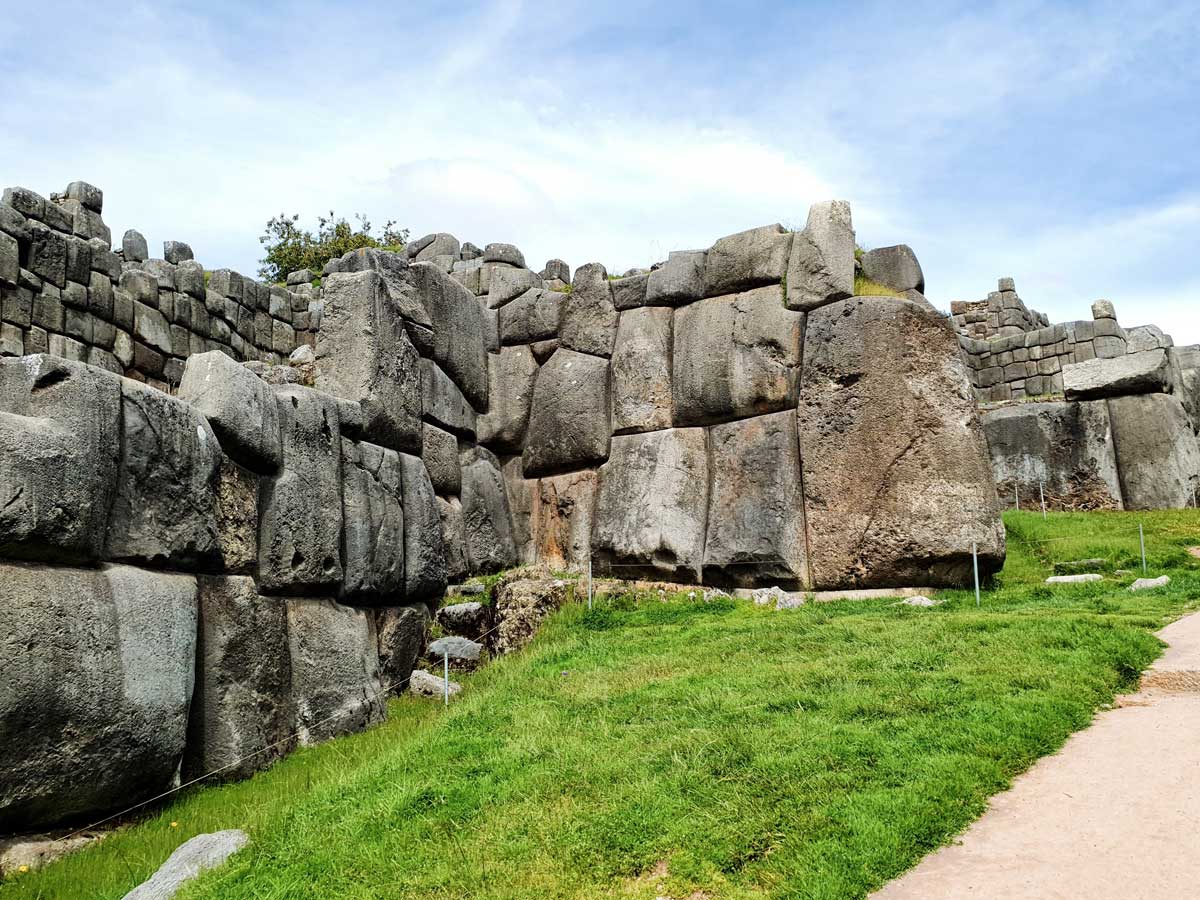
Before planning your trip to Peru, there are three logistical and physical factors you must master so that your trip does not have setbacks. To start, the most important one to consider is altitude sickness, an effect that happens when going above 2,500 meters. Therefore, your itinerary must strictly include an active rest (walking little, eating light) during the first 24 hours in high cities like Cusco, Arequipa, or Puno. Stay hydrated and avoid alcohol during the first days.
The second point to discuss is based on this question: What to bring in your luggage? Due to the extreme geography, you will cross different microclimates in a single day. The rule is to dress in layers ("onion system"). Pack a windproof and waterproof jacket, light thermal clothing, trekking shoes with good grip (already broken in), and high mountain sun protection (UV glasses, sunscreen, and a hat), as the radiation in the Andes is very strong.
Finally, safety and recommendations. Peru is a welcoming country, but it requires common sense in big cities. In Lima, move through the tourist districts (Miraflores, Barranco) and use official taxi apps. In markets and busy areas, watch your belongings for pickpockets. Finally, always consume bottled water, never from the tap.
The Peruvian tourist market is huge. To avoid bad experiences or hidden charges, check the agency options using these four criteria:

 +51 84 217 551
 +51 997 434 941
 Av Tupac Amaru PP-10B, Santiago, Cusco, Peru
  info@incatrailmachu.com
 www.incatrailmachu.com


