
Cusco is highly recognized as the ancient capital of the Inca Empire, it is the most relevant historical destination in South America and was declared a Cultural Heritage of Humanity by UNESCO in 1983. Its importance lies not only in its monumental architecture, but in the continuity of its traditions; here, the pre-Columbian past lives daily with the colonial heritage and modern dynamics.
Ancestral cultural expressions are the axis of daily life in the region. When walking through the historical center or the nearby valleys, it is common to observe the practice of the Quechua language, the raising of camelids, and the making of textiles with ancient techniques. This cultural fusion makes the city interesting, as you can get to know the various points of interest in cusco peru that go beyond the tourist side.
To help plan your visit, we have collected a list about what to see in cusco to optimize your time and budget. From archaeological complexes to traditional markets, below, we detail the best things to do in Cusco to understand the true magnitude of this civilization.
Cusco Peru Tours 2027, Book now!
To make your trip planning easier, we have categorized the essential activities into archaeology, nature, and culture. This list prioritizes those experiences that offer the greatest historical and scenic value, allowing you to organize your itinerary according to your interests and available time. Among the most popular options are:
Cusco holds the title of "Archaeological Capital of America" due to the high concentration and quality of its pre-Columbian monuments. While the Inca Citadel of Machu Picchu, one of the 7 Wonders of the Modern World, is the central destination of any visit, the region houses a network of complexes that are fundamental to understanding the organization of the empire.
But you should not limit your tour only to this wonder. There are archaeological sites such as the massive structures of Sacsayhuamán, the ancient urban planning of Ollantaytambo, the terrace system of Pisac, or the remote citadel of Choquequirao (accessible only on foot); all these places are examples of Inca engineering that complement your visit to the Peruvian Andes.
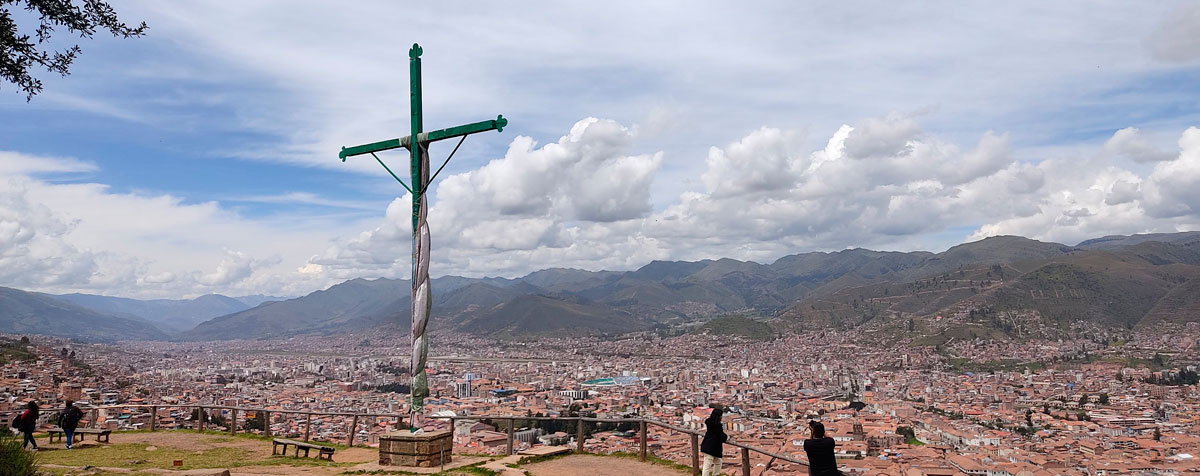
Cusco works like a museum where its cobblestone streets show the layering of Inca and colonial architecture. This city, declared a World Cultural Heritage site by UNESCO in 1983, offers an essential tour that goes from the Plaza de Armas and its Baroque churches to the famous 12 Angled Stone on Hatun Rumiyoc Street and the bohemian artisan neighborhood of San Blas.
To complete the urban experience, we recommend doing these activities:
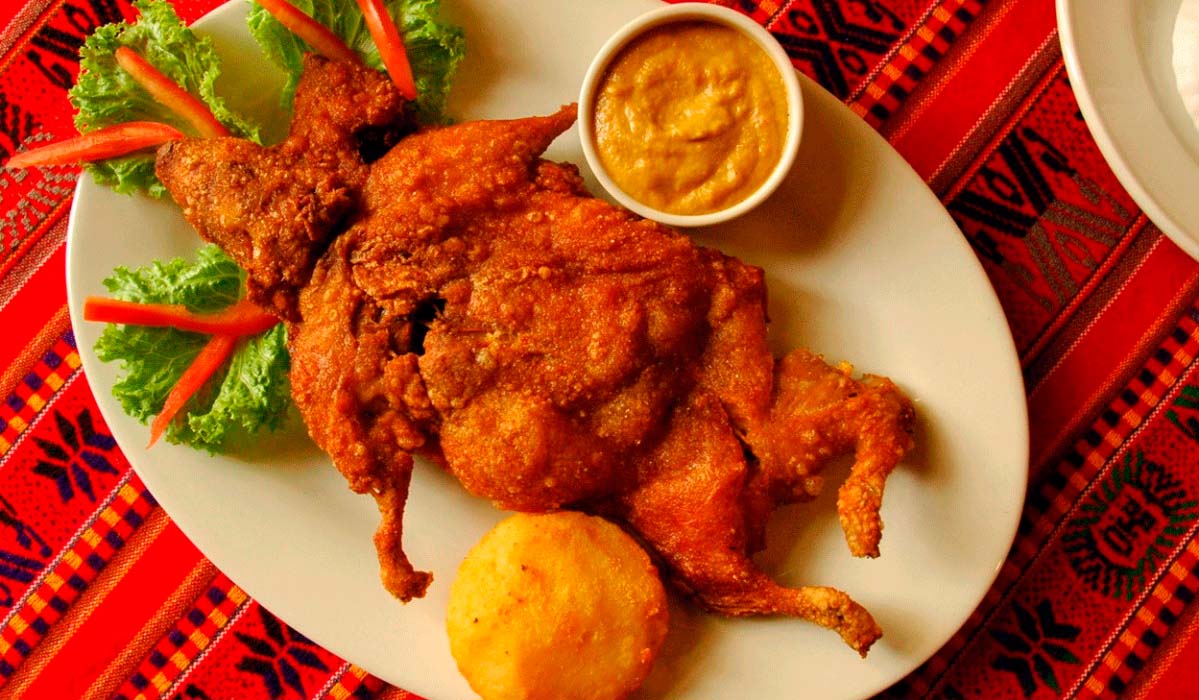
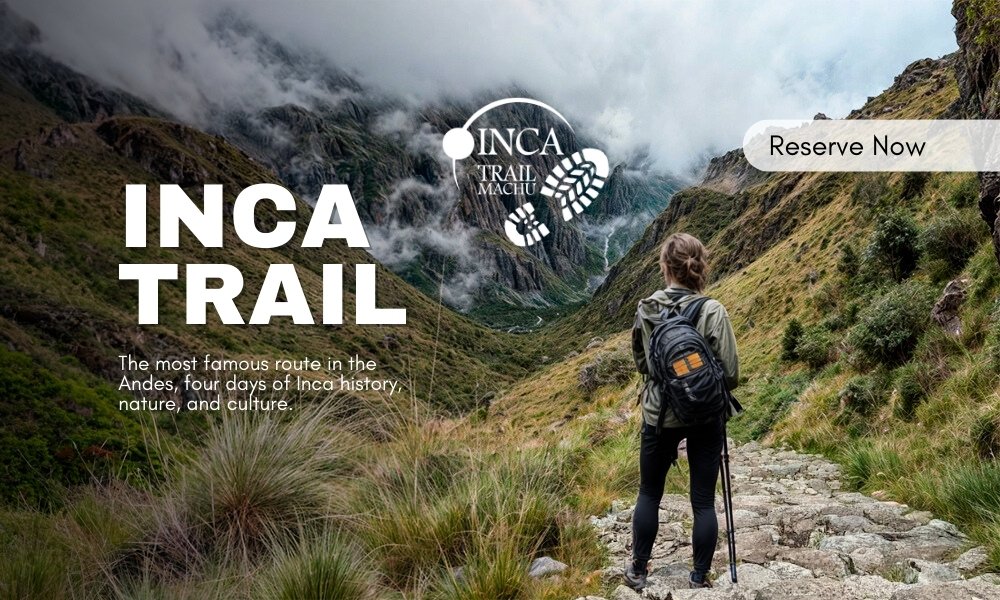
Cusco is the epicenter of hiking in South America. The 4 day Classic Inca Trail to Machu Picchu tops the list, being considered one of the 5 best routes in the world. This journey of almost 40 kilometers crosses various ecological levels and stone paths until entering the citadel through the Inti Punku ("Sun Gate"), mimicking the ceremonial entrance of Inca royalty.
Due to its high demand and limited spots, it is necessary to book 4 to 6 months in advance. If you are looking for alternatives with equally stunning landscapes but fewer tourists, the region offers outstanding options:
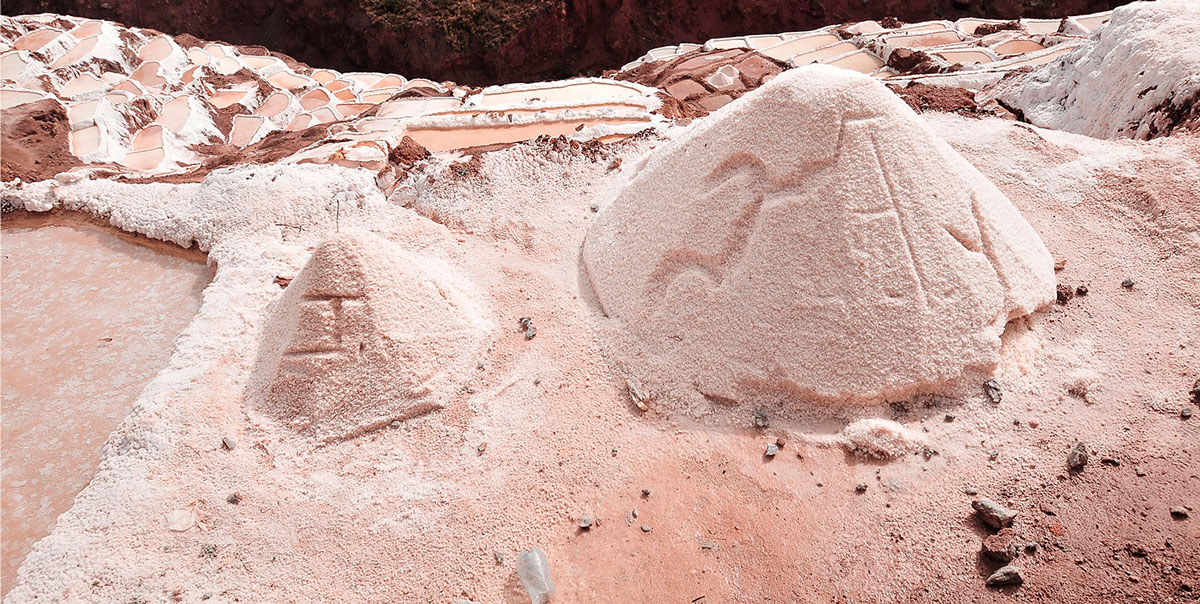
The Sacred Valley of Peru is the agricultural and spiritual heart of the region, an area where mountainous geography intertwines with traditional towns and archaeological remains. Due to its mild climate and fertile land, it was the main center for corn production for the empire and, later, a key area for colonial estates. Today, it is a destination that maintains its cultural identity.
The essential points to visit on a one day tour to the Sacred Valley from Cusco are:
Located at 2,430 meters above sea level, between the Andes and the jungle brow, the "Old Mountain" is the indisputable destination of any itinerary in South America. Recognized as one of the 7 Wonders of the Modern World and a World Heritage site, the citadel of Machu Picchu Cusco represents the peak of Inca engineering, having stayed hidden for centuries until its scientific rediscovery.
To visit it, there are two main ways: the train trip from Ollantaytambo station (the fastest and most accessible option) or through hiking routes like the Classic Inca Trail and the Salkantay Trek. Regardless of the chosen way, it is mandatory to book entry tickets several months in advance due to the strict regulation of daily capacity.

How does the weather change throughout the year? Which month is the sunniest in Cusco?
Peru is a country with very varied landscapes. There's the Pacific region, then the adjacent Andes that extend inland, and beyond that, to the east, is the tropical rainforest of the Amazon. Depending on the geographic zone, the climate in Peru varies, as well as the changing seasons.
The city of Cusco, located in the Andes, is characterized by a relatively constant day temperature of 19°C to 21°C all year round, in places in the surrounding area it also reaches up to 25°C in summer. But the main difference between the seasons is determined by the weather: Peru is in the southern hemisphere, so the European warm months are the cold season there and vice versa. The main difference between the seasons is the rainfall. Summer brings a lot of rain while the cooler months fall into the dry season.
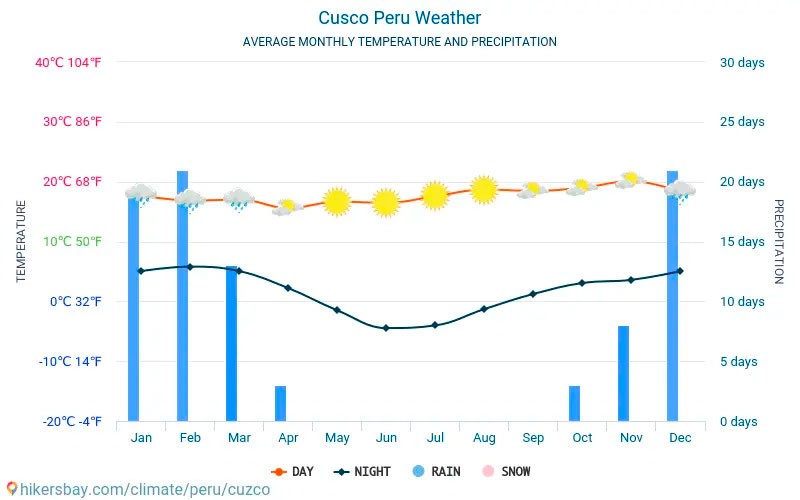
Although the city maintains constant average temperatures throughout the year, the main factor for planning your visit is the rain cycle. Here we detail the behavior of the seasons so you can choose the date that best fits your interests:
Includes the months from April to October. It is the most requested period by travelers due to the almost total absence of rain, which guarantees clear skies and sharp views, ideal conditions for visiting Machu Picchu and doing hiking routes.
Covers the months of October and November. During these weeks, the weather is mixed; while the chance of sporadic rainfall increases, the landscape offers a unique visual advantage: the dry vegetation of the dry season transforms into an intense green and the fields bloom, offering a superior photographic environment.
Corresponds to the southern summer, from December to March. Although rains are frequent and intense, traveling to Cusco Peru at this time offers strategic advantages for those looking to avoid crowds.
During a to visit Cusco Peru, you can choose a variety of tours. These range from full-day excursions to trekking on Machu Picchu. Cusco offers multi-day tours that can be combined with climbing Huayna Picchu, walking along the Urubamba River, and following the authentic Inca Trail. Also, add Rainbow Mountain Peru into your itinerary since this is an increasingly popular hike leading through Andean villages with living traditions.
If you are looking for a shorter adventure, choose the short Inca Trail. The best hiking alternatives to the Lost City of the Incas are the so-called Alternative Treks to Machu Picchu.

 +51 84 217 551
 +51 997 434 941
 Av Tupac Amaru PP-10B, Santiago, Cusco, Peru
  info@incatrailmachu.com
 www.incatrailmachu.com


