
Few destinations in the world capture the imagination quite like Machu Picchu. Perched high in the Peruvian Andes, this ancient Inca citadel is not only a masterpiece of architecture but also a place of deep cultural meaning and breathtaking natural beauty.
If you're planning to visit Machu Picchu during a cruise stop in Peru, preparation is everything. Time is limited, logistics are complex, and tickets sell out quickly. This comprehensive guide will help you understand what to expect, how to plan, and how to make the most of your once-in-a-lifetime journey.
Whether you're an adventurous traveler ready to hike ancient trails or prefer a more relaxed visit, here you'll find everything you need-from the best time to go and route options to the latest entry regulations-so your Machu Picchu excursion becomes truly unforgettable.
Machu Picchu, meaning “Old Mountain,” is a destination found on nearly every traveler’s bucket list. Built in the 15th century during the reign of Pachacuti Yupanqui, this extraordinary city sits at 2,430 meters (7,972 feet) above sea level, overlooking the lush Urubamba Valley in the Cusco Region.
Located about 75 kilometers (47 miles) northwest of Cusco, the former capital of the Inca Empire, Machu Picchu is a true engineering marvel. The city is composed of more than 200 carefully crafted stone structures, all connected by an intricate network of terraces, stairways, and water channels.
At its height, Machu Picchu could sustain up to 1,000 inhabitants. The precision of its stonework, the advanced drainage systems, and the harmonious integration with the surrounding landscape continue to astonish visitors and experts alike.
Although local communities always knew of its existence, Machu Picchu gained global attention after its rediscovery in 1911. Today, it is protected as part of the Historic Sanctuary of Machu Picchu, declared a World Heritage Site by UNESCO in 1983.
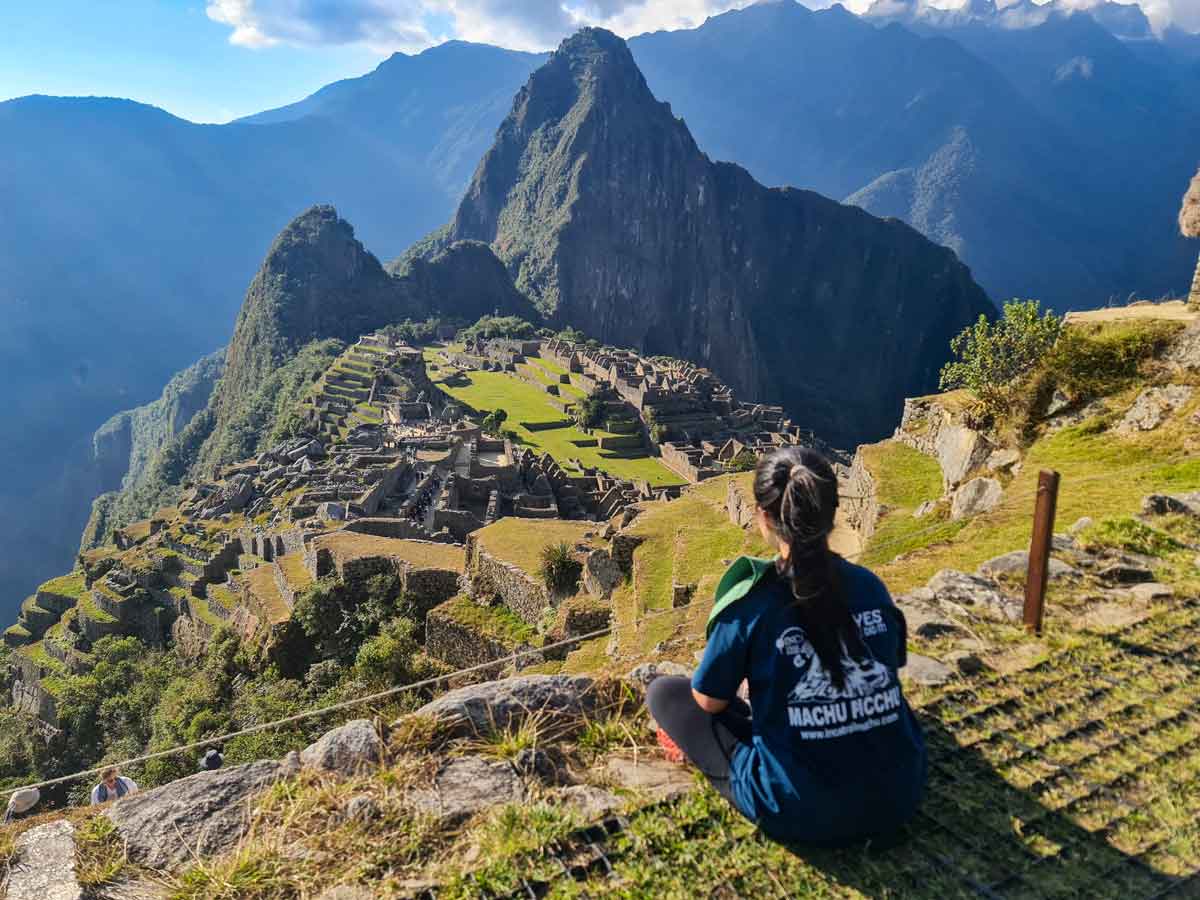
Machu Picchu is one of the most visited destinations in South America, attracting more than 1.5 million visitors each year. While its popularity highlights its global importance, it also creates serious challenges for conservation.
To protect the site, strict visitor limits are now enforced. Currently, daily entry is capped at approximately 4,500 visitors in the low season and up to 5,600 during peak months. Tickets must be booked well in advance—especially if you're arriving on a cruise schedule with limited flexibility.
Visitors must also follow designated circuits, with time-restricted entries typically between 6:00 a.m. and 3:00 p.m. Most visits are limited to around 2 to 3 hours, depending on the route you choose.
These regulations are essential. Organizations like UNESCO continue to advocate for even stricter limits to preserve the site’s fragile ecosystem and archaeological integrity.
 |  |  |
At the same time, the region faces growing pressure from tourism. Increased foot traffic impacts local infrastructure and raises environmental risks, including landslides during the rainy season. Proposals such as building a cable car from Aguas Calientes to Machu Picchu have sparked debate, with many experts opposing such developments to protect the sanctuary.
The future of Machu Picchu lies in finding the right balance between access and preservation. Sustainable tourism is no longer optional—it’s essential to ensure that future generations can experience this extraordinary place.
If you want to take an excursion to Machu Picchu when arriving in Lima from a cruise ship, we recommend that you book your trip in advance, as there are limited tickets available to enter the Inca citadel. Then, coordinate your flight from Lima to Cusco, and from there take the bus and train to Aguas Calientes. Stay at a hotel, and visit Machu Picchu the following day.
At Inca Trail MachuTour Operator, we are specialists in organizing 2 day Machu Picchu tours from Lima for cruise ship travelers. We have the experience and logistics to offer you the best travel experience to visit Machu Picchu. Depending on your cruise ship itinerary and how long your ship stays in Lima, you can extend your trip to include Cusco, the Sacred Valley and Rainbow Mountain.
The cruise port is located in Callao. As Callao is a commercial and cargo port without a dedicated terminal area for passengers, the meeting point with the Inca Trail Machu representative for group travel is usually at Plaza Cívica Callao, Punta Callao, or Miraflores, where the cruise often provides transportation. At the meeting point, our representative will be waiting with a sign and will transfer you to the airport for your flight to Cusco.
From Cusco, our team will organize your transfer and overnight stay in Aguas Calientes. The next day, our guide will pick you up and take you on a guided tour of Machu Picchu. After your visit, you will return by train, and our driver from Peru Xcapes will be waiting to transfer you to the airport for your flight back to Lima. Upon arrival, our representative will meet you and transfer you back to the port in Callao. Alternatively, you can stay overnight at a hotel near Lima International Airport, such as Costa del Sol, and be transferred to the port the following day.
This itinerary depends on how long your cruise ship stays in Lima. If you have more time, you can also visit Lima or spend additional time in Cusco.
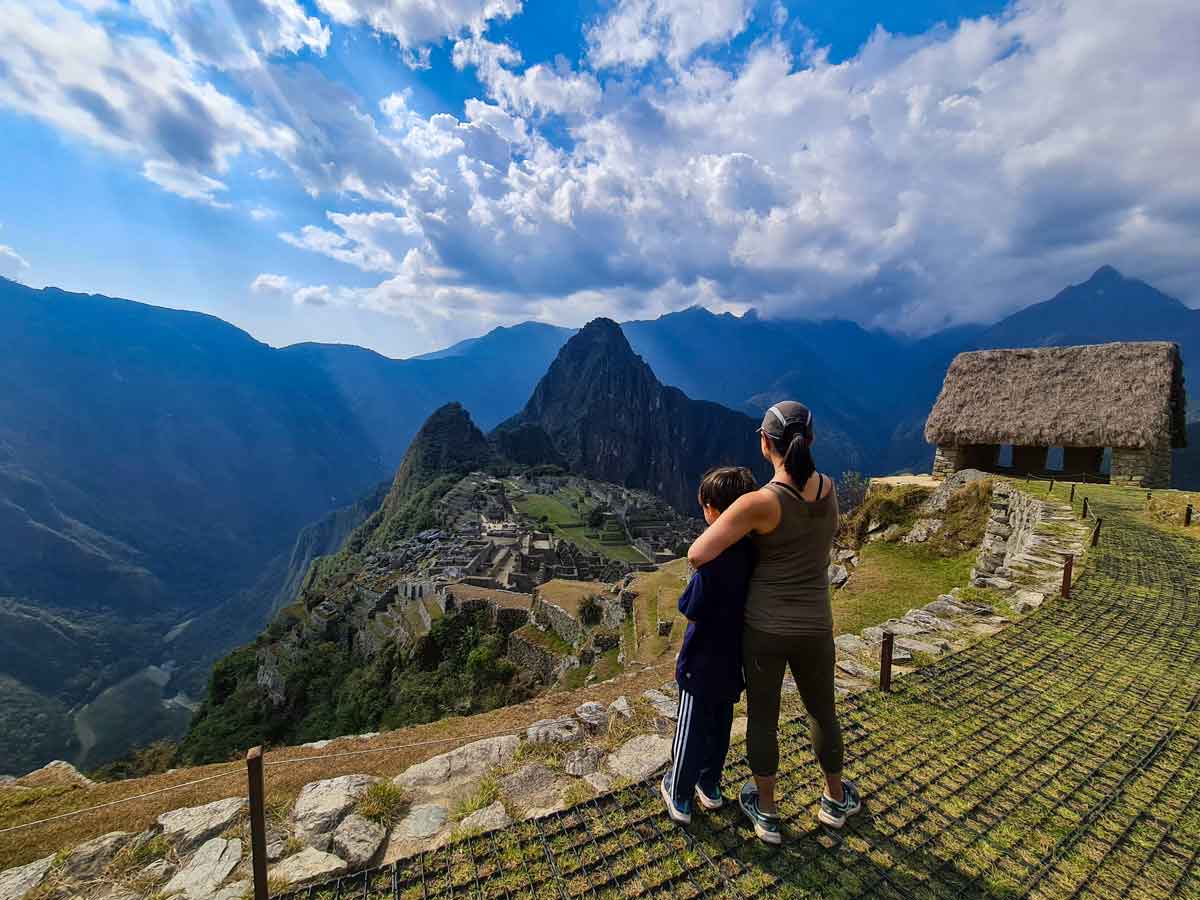
If you prefer to organize your Machu Picchu tour independently, it is entirely possible. It is not difficult, but it requires careful planning.
There are several ways to get to Machu Picchu, including trekking and traditional tours such as the train, which is the quickest option. The first step is to secure your Machu Picchu ticket in advance, according to your cruise arrival date and flight schedule. Do not risk traveling without a ticket, as you may need to stay extra days to obtain one.
Next, book your flights from Lima to Cusco and back, as well as your hotel. The remaining logistics, such as transportation and local arrangements, can be booked upon arrival in Cusco or Aguas Calientes.
The starting point for your visit is always Aguas Calientes, where you'll find hotels, restaurants, and souvenir shops of all kinds. Here are the most common ways to get to Machu Picchu:
You can take a train from Ollantaytambo or Poroy to Aguas Calientes, the closest town to Machu Picchu. The route is beautiful, and the Peruvian railway trains have large windows so you can fully appreciate the scenery. However, train travel is also expensive, but for us, it is the most beautiful way to travel.
A shuttle bus runs from Aguas Calientes up to Machu Picchu and costs about $15. Alternatively, you can hike from Aguas Calientes to Machu Picchu. The climb up 1,900 steps takes about 1.5 to 2 hours and leads you through the subtropical forest.
Previously, Machu Picchu could be visited without strict regulations. Visitors were free to wander through the ruins, take as much time as they wanted, and explore the site at their own pace.
However, this changed significantly in 2021. Due to the pandemic, visitor access was further regulated—a process that had already begun to help protect this important historical site.
The current rules require every visitor to follow a specific circuit and leave the site after a maximum of three hours.
There are several circuits to choose from, ranging from shorter routes to more extensive ones that cover most of the Inca citadel. All circuits share one important rule: you cannot turn back or retrace your steps.
On-site staff monitor the routes and ensure that all visitors follow a one-way path. For this reason, it’s important to manage your time carefully from the beginning. In our experience, visitors are not always asked to leave exactly at the three-hour mark, so there is usually enough time. However, you still cannot go back just to take more photos. For the longer circuits, around four hours is generally sufficient.
In total, there are approximately 196 points of interest within the citadel, including archaeological complexes, plazas, temples, fountains, monuments, and residential areas. All of these are interconnected and beautifully integrated into the natural landscape.
As you explore Machu Picchu, you’ll notice two clearly defined sectors separated by a wall approximately 400 meters long. One sector was used for agricultural purposes, while the other had an urban function. The agricultural area is characterized by terraces used for cultivating crops, along with small structures that were likely used as dwellings for farmers.
In the urban sector, you’ll find the Royal Residence, considered one of the most impressive residential complexes in Machu Picchu. Also located here are the Sacred Plaza, the city’s most important ceremonial site; the Intihuatana Pyramid, which features the famous ritual stone; the Temple of the Three Windows, built with finely crafted polygonal stones; and the Condor Complex, used for ceremonial purposes.
Depending on the circuit you choose, you will be able to see some or most of Machu Picchu.
It is important to pay attention to the type of ticket you purchase, as some tickets also include access to the Inca Bridge or hikes to nearby peaks such as Machu Picchu Mountain, Huayna Picchu, and Huchuy Picchu.
For these additional routes, you will receive a separate entry time. Due to the limited visit duration, these tickets are generally only combined with Circuit 1 or Circuit 3, which provide access to the lower or upper sections of the citadel.
Recommendation: We suggest choosing Circuit 1 combined with the Inca Bridge and Circuit 3 (lower part), or simply Circuit 2 on its own, which allows you to explore most of the citadel. This way, you can fully experience the beauty of Machu Picchu - from breathtaking panoramic views to a complete exploration of this remarkable site.
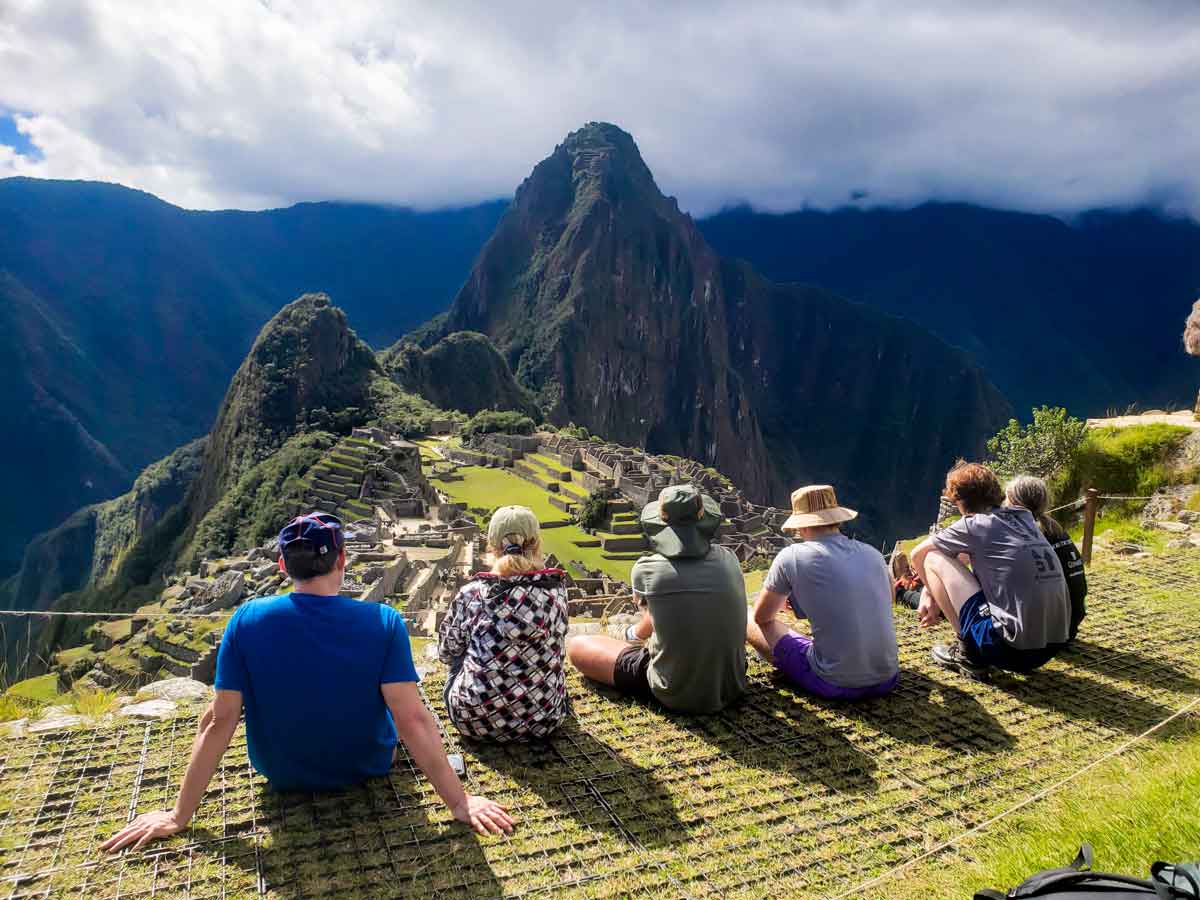
You can purchase Machu Picchu tickets in various ways, and there are different ticket types as well as specific entry times that you must book.
Entry times are available hourly between 6:00 AM and 3:00 PM.
The best time to visit is right at 6:00 AM, as you can experience Machu Picchu before the crowds arrive and witness the sunrise over the citadel. Alternatively, you can visit in the afternoon after 3:00 PM, when the crowds have thinned out.
We do not recommend visiting between 10:00 AM and 2:00 PM, as it is extremely crowded.
Entrance tickets sell out quickly, depending on the time of year and the number of tourists. This is especially true for tickets to the best circuits and the early morning slot at 6:00 AM. Travel agencies and tour operators often secure their allocations in advance, leaving only a few tickets available for those who book independently. Therefore, book early to secure your preferred tickets.
You can book tickets online on the official Machu Picchu website. The price of a Machu Picchu ticket depends on the type of ticket you choose.
The following options are available:
Llaqta de Machupicchu (you can choose between Circuit 1, 2, and 3) from 152 soles / 62 dollars
Circuit 3 and the ascent of Montaña Huayna Picchu from 200 soles / 80 dollars
Circuit 1 and the ascent of Montaña Machu Picchu from 200 soles / 80 dollars
To access Machu Picchu, you must select an entry time slot. There is a separate entry time for climbing the mountains, which is only valid for access to the mountain itself.
Regardless of which ticket you choose, you are only allowed to enter Machu Picchu once. For example, if you have a 7:00 AM entry time for Machu Picchu Mountain and a 6:00 AM entry time for Circuit 1, this means you enter Machu Picchu at 6:00 AM, walk to the mountain entrance within one hour, enter at 7:00 AM, and then spend about 5 hours climbing up and descending before leaving the site.
Re-entry to Machu Picchu is not permitted, and staff are quite strict about checking tickets.
If you are visiting Machu Picchu as part of a tour, the agency will usually take care of your entrance ticket. However, you should pay attention and double-check which ticket is included. As mentioned above, there are several different options, and not every circuit allows you to explore the entire site.
If you are traveling from a cruise ship, this option is not recommended. In Aguas Calientes, you can purchase any remaining tickets at the official Machu Picchu ticket office. You might get lucky the evening before and secure a ticket for the next day.
However, depending on the time of year and the number of visitors, you may need some luck to get a good ticket. While it is possible to buy tickets spontaneously, it is not guaranteed.
The peak season for visiting Machu Picchu is during the dry season, which lasts from May to October. During these months, there is less rain, which improves visibility of the ruins and makes hiking on the surrounding trails more pleasant.
The rainy season in the Machu Picchu region lasts from November to April. During this time, heavy rainfall can occur, making the trails slippery and potentially leading to landslides. If you are planning hikes, it may be advisable to avoid the rainy season.
The peak tourist season at Machu Picchu coincides with the dry season, particularly from June to August. During these months, visitor numbers are at their highest, and the trails and the town itself can be quite crowded. The off-season, in the months before and after the peak season, offers fewer crowds, but you should be prepared for occasional rain.
If you plan to hike the classic Inca Trail, you'll need to consider permit availability. These often sell out well in advance during the peak season, so it's advisable to plan ahead—6 to 12 months in advance.
Aguas Calientes is the closest town to Machu Picchu and serves as the main gateway to the famous Inca city.
Aguas Calientes, which translates to “Hot Water,” is known for its natural hot springs. The town offers a variety of accommodations, restaurants, and souvenir shops to meet the needs of every visitor. Beyond that, the town doesn’t offer much more, and aside from visiting Machu Picchu, a longer stay is not usually recommended.
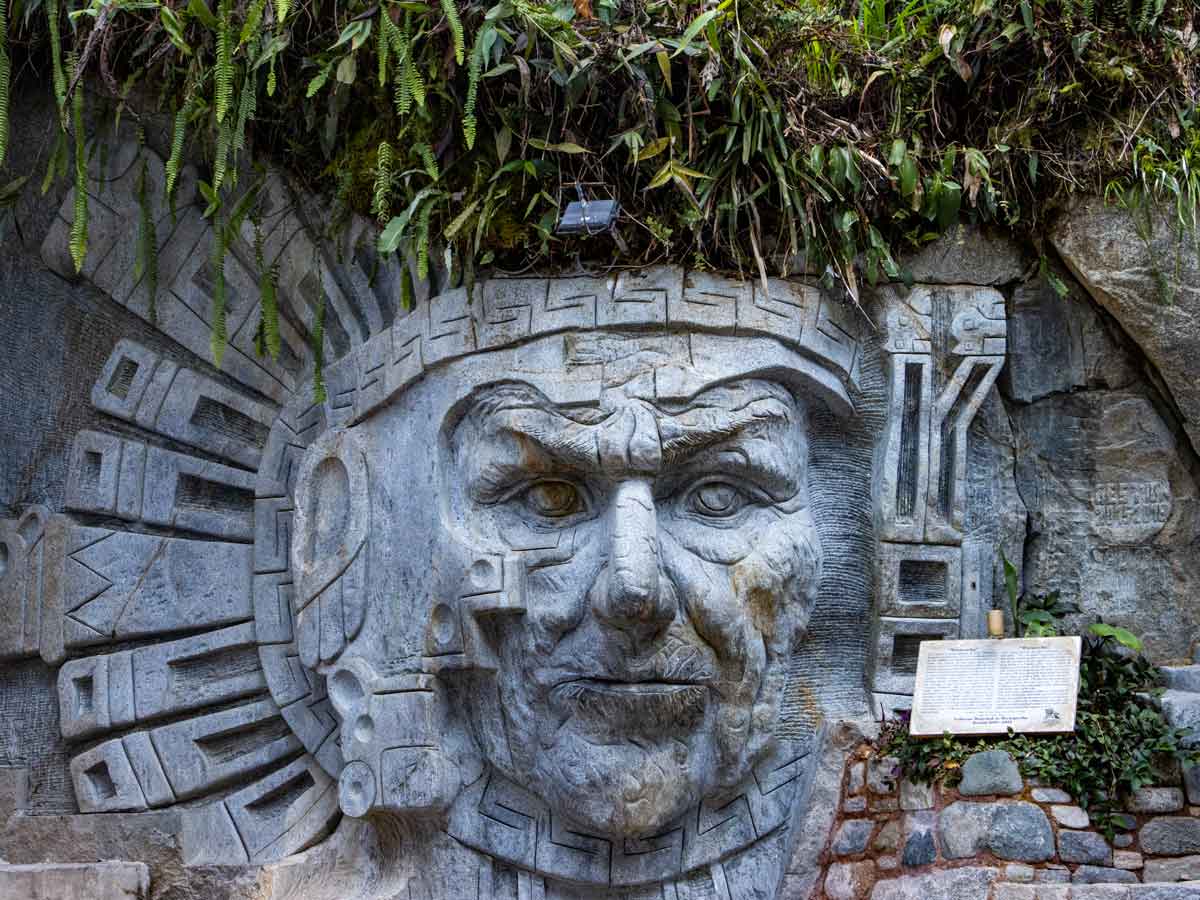
Read More:Aguas Calientes Peru
Due to its remote location in the Andes, Machu Picchu is only accessible through a limited number of routes. Most visitors arrive from Aguas Calientes, a small town at the base of the mountain. From there, a bus takes visitors along a winding road—approximately eight kilometers—to the citadel. This is undoubtedly the quickest and most convenient way to reach the site.
However, there is a more authentic way to experience Machu Picchu that we highly recommend: hiking your way there. The true magic unfolds when you earn your arrival step by step.
There are two main hiking options. The first is a short but challenging uphill walk from Aguas Calientes, which takes about one hour and involves climbing hundreds of stone steps. The second option is a multi-day trek as part of a guided tour.
We firmly believe that Machu Picchu is far from overrated. It is an extraordinary place, and the moment you first see the ruins—especially after a 4–5 day hike with significant elevation gain—is simply unforgettable.
You can find all the information you need about trekking routes in our article on the Salkantay Trek.
An equally impressive experience is the Inca Trail, which requires booking 6 to 12 months in advance. Both options offer a unique opportunity to discover the majestic beauty of Machu Picchu in an authentic and unforgettable way.

 +51 84 217 551
 +51 997 434 941
 Av Tupac Amaru PP-10B, Santiago, Cusco, Peru
  info@incatrailmachu.com
 www.incatrailmachu.com


