
Peru is a country of splendid landscapes, 32 micro climates, including the magical Andes mountains and a dense Amazon jungle rich in a large variety of plants and animal species. Peruvian mix of cultures, folklores and traditions make the country very mysterious and attractive to visitors. One of the cultures that stands out is the Inca´s culture. The Incas built their palaces, temples and roads of sophisticated stone technique which resisted a long passage of time. If you like to visit Peru, join the Inca Trail Adventure tour and explore all the Peruvian mysteries with us.
Among the Inca Steps we'll watch the traditional birds and animals around the mountains, the landscapes are shocking while at the same time take pictures before pass to the cloud forest. No doubts it's fantastic, especially the main attraction called Machu Picchu and the lost citadel. The route to Machu Picchu maybe is strenuous and the roads are too challenging but at final the reward will be waiting for us.
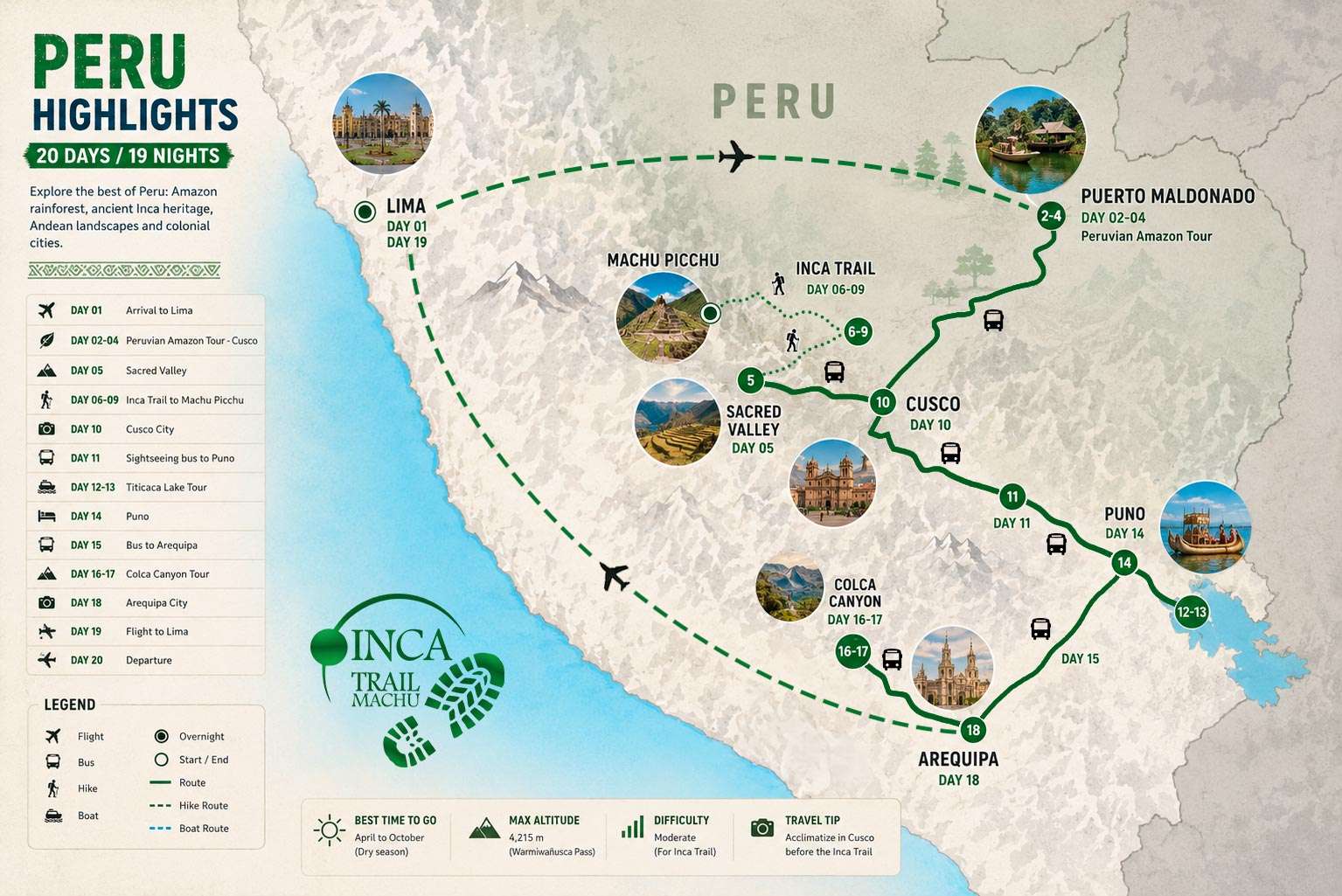
The Peru Highlights takes you from the Pacific coast of Peru, over the high Andes and through the country of the Incas to the Amazon forest, accentuating cultural, archaeological and ancient attractions, also Peru's natural resources in the form of the Tambopata National Reserve, Machu Picchu Historical Sanctuary, Peru is one of the five most plentifully diversified countris on Earth, with 84 of the 117 life forms that exist on the planet.
Day 01: Arrival to Lima
Day 02-04:Peruvian Amazon Tour - Cusco
Day 05: Sacred Valley
Day 06-09: Inca Trail to Machu Picchu
Day 10: Cusco City
Day 11: Sightseeing bus to Puno
Day 12-13: Titicaca Lake Tour
Day 14: Puno
Day 15: Bus to Arequipa
Day 16-17: Colca Canyon Tour
Day 18: Arequipa City
Day 19: Flight to Lima
Day 20: Departure
Crew: A Inca Trail Machu Representatives in Lima, Puerto Maldonado, Cusco, Puno and Arequipa as well as professional local Tour Guides.
Accommodation: 13 nights in 3* hotels, 2 nights in a jungle lodge, 3 nights in campsites, 1 night in family homestay.
Meals: 18x breakfast, 8x lunch, 6x dinner, 3x afternoon tea (Please allow USD 200-250 for meals not included).
Transportation: 3x domestic flight, local transfers, private transportation by van, a train round trip, motorboat transportation, canoe.

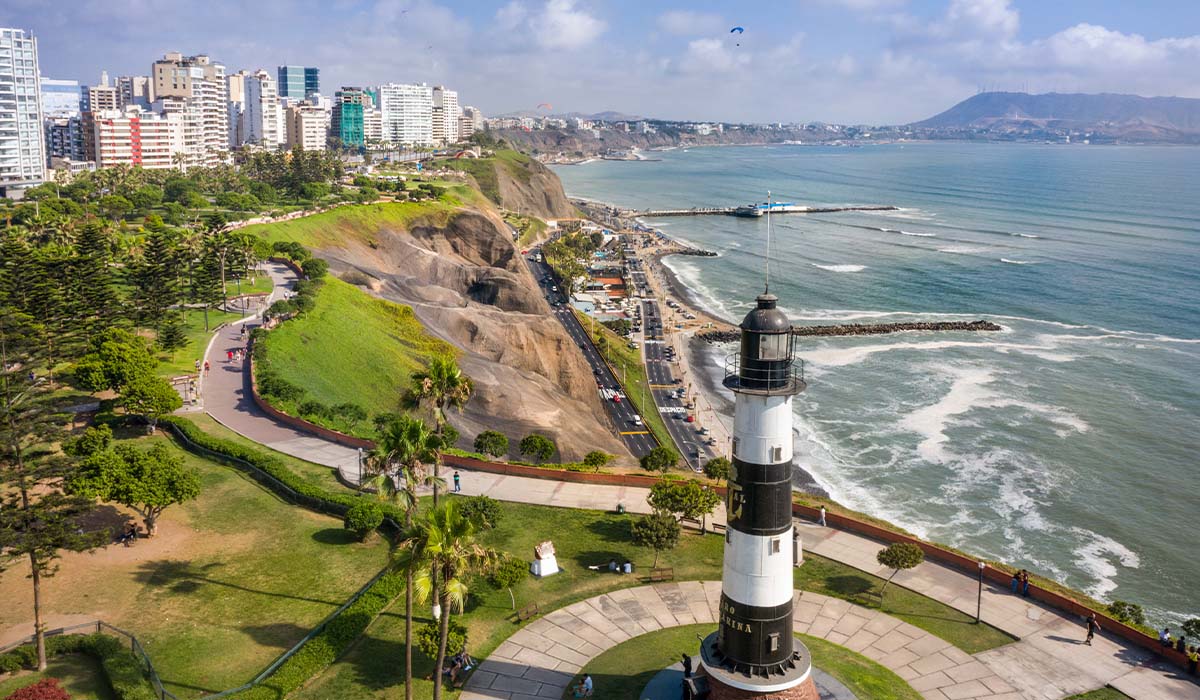
Our great journey to discover The highlights of Peru begins with your landing at the Jorge Chavez International Airport in the city of Lima. Where, our representative will be waiting for you in the arrivals area holding a sign with your name, to then proceed with the private, direct, and safe transfer to your hotel facilities.
Therefore, being your day of adaptation and arrival to the country, this first day does not include structured activities in the itinerary. In this way, you enjoy freedom and flexibility to schedule your landing at the time that best fits your flights, allowing you to rest after the trip.
However, if you land early enough and wish to start the exploration immediately, upon prior request, our team will be happy to organize an optional guided tour to discover the historical charms of the ancient "City of Kings", marking the introduction for your immersion in Peruvian culture.
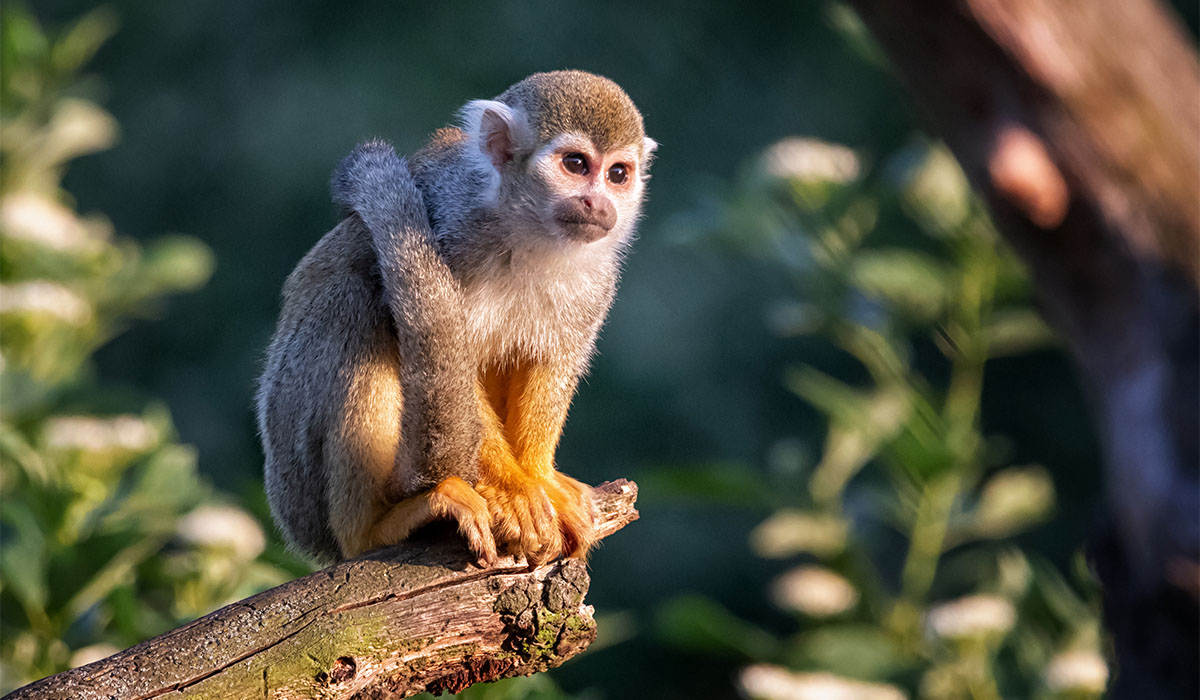
Our expedition begins with your transfer to the Lima airport to board the flight to Puerto Maldonado, a tropical border city located at the meeting point of the Madre de Dios and Tambopata rivers. Upon your arrival, our expert nature guide will welcome you to start a canoe tour. As we go up the Tambopata river towards the lodge, you will have your first contact with wildlife, with good chances to observe river birds like the black skimmer, the white heron, the kingfisher and the roadside hawk. At the end of this river trip, we arrive at our eco-lodge, isolated in the central area of the Tambopata National Reserve.
The next day, with the first rays of the sun, you will go deep into the most diverse ecosystems of the reserve accompanied by your local guide. This area protects more than 678,800 acres of semi-tropical jungle, home to thousands of plant and animal species. During the walk, the lush vegetation will reveal its hidden wonders; keep an eye out to spot black tamarins, brown capuchin monkeys and agoutis. Thanks to the area's biodiversity, you will also have the chance to observe colorful birds and butterflies, and with some luck, more elusive animals like the tapir, the peccary, the ocelot or river otters.
On your last day in the Amazon, we say goodbye to the jungle to transfer you back to the Puerto Maldonado airport. From there, you will take your flight to the historic city of Cusco, located high in the Andes mountain range. Upon landing, our representative will be waiting for you to take you comfortably to your hotel. You will have the rest of the afternoon free, an ideal time to relax, slowly adapt to the altitude and begin to discover the archaeological charm of the city.
Essential information about your accommodation in the jungle
To guarantee your experience, the lodge combines native architecture and materials with low-impact technology. Consequently, you will enjoy simple but comfortable rooms, perfectly equipped with mosquito nets on each bed, toilets and room-temperature showers (no hot water).
To preserve the natural atmosphere and minimize the ecological footprint, the lodge does not have electricity, lighting up the magical jungle nights using warm kerosene lamps. All this operated by an excellent team of guides and local community members, ready to make your expedition an unforgettable adventure.
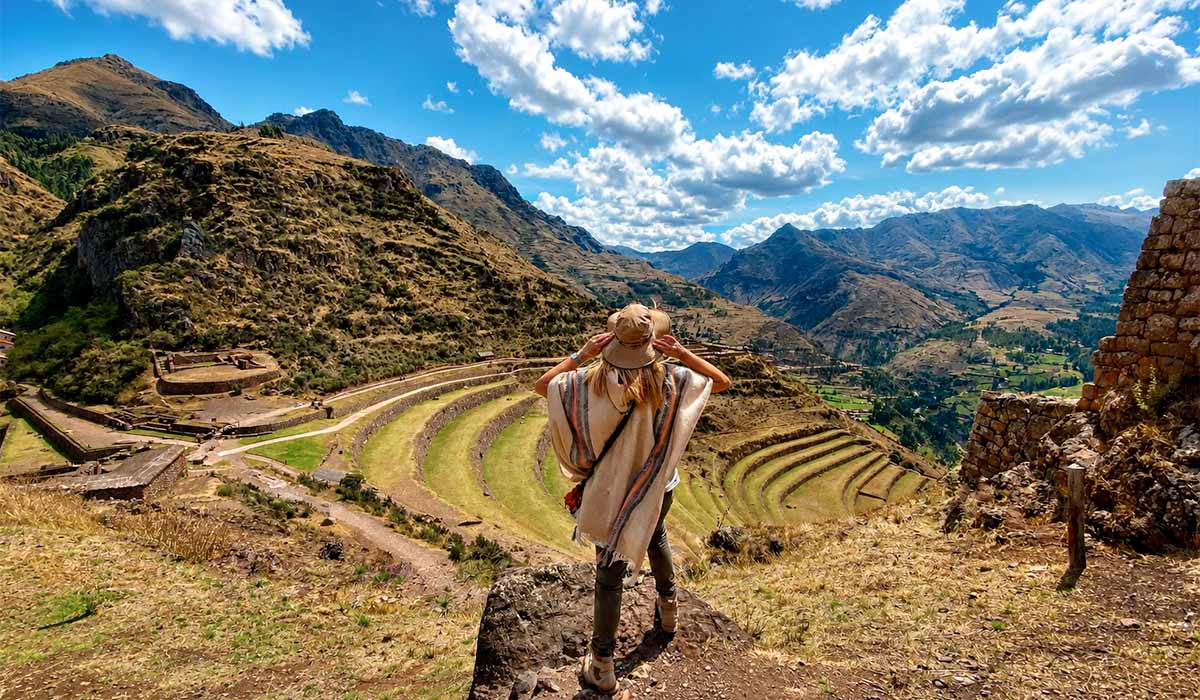
One of the most spectacular days of the tour takes us through the Sacred Valley of the Incas that was once an important source of food to Incan people. Sacred Valley is a lush agricultural region that keep supplying the city of Cusco with much of its production. As it lays 600 metres lower than Cusco, its average temperature is 5ºC higher so it has got a very pleasant climate.
The tour shows us around the major archaeological sites placed in Pisaq and Ollantaytambo. At Pisaq, an optional two hour (5 km) trek allows us to fully appreciate this huge antique Incan city nestled high above the Sacred Valley of the Incas and is made up of an Intiwatana, a temple complex, residential areas and far reaching agricultural terracing, with the exquisite Urubamba River far below. The full of life markets of the valley are open in the mornings, you can buy Peruvian art, jewellery and fabrics and observe the classic fruits and vegetables markets where local people buy and sell.Then, we stop in Urubamba, considered to be the capital of the valley, where we have a buffet lunch offering Andean cuisine (not included in the package).
Afterwards, we continue to the picturesque town of Ollantaytambo, with its impressive temple complex and interesting village, the only place in Peru that still retains its original Inca street plan. This major ruin is known as the best surviving example of Incan urban planning and engineering! But Ollantaytambo is more than that, it is an alive and breathing Incan town! We stay overnight here to absorb its unique atmosphere as well as to get ready for the Inca Trail the next morning!
The legendary Inca Trail to Machu Picchu, an immersive 4 day journey, is a physically demanding experience that rewards every step with unmatched landscapes. This wonderful route was part of a large road system that connected the imperial capital with its different territories, taking us from the high Andean peaks to the lush cloud forest. Likewise, during the 44 kilometers (27 miles) of the route, we will cross ecological zones rich in plants and birds, overcoming steep slopes and two imposing mountain passes.
To guarantee your comfort, you will have the support of a team of expert cooks and porters who will move the main equipment, allowing you to walk freely with a light backpack for your essential items. Therefore, it is fundamental to have a reasonable physical condition and be prepared for the unpredictable nature of the Andes; night temperatures can drop below freezing and occasional rains are possible even during the dry season.
Our expedition starts at kilometer 82, marking the official start of the trail on the left bank of the Urubamba River. Initially, we will explore the ancient Inca sites of Willca Raccay and Llactapata, to then enter a challenging climb through the Cusichaca river canyon. This section will give us spectacular views of the Eastern Mountain Range, dominated by the imposing presence of the Veronica mountain (5,850 m).
Later, after enjoying a lunch in the Chamana area, we will continue our march along the river to the town of Huayllabamba. Finally, from this point, we will begin a climb through the dense Andean vegetation until we reach Llulluchapampa, a large high plain where we will set up our first camp.
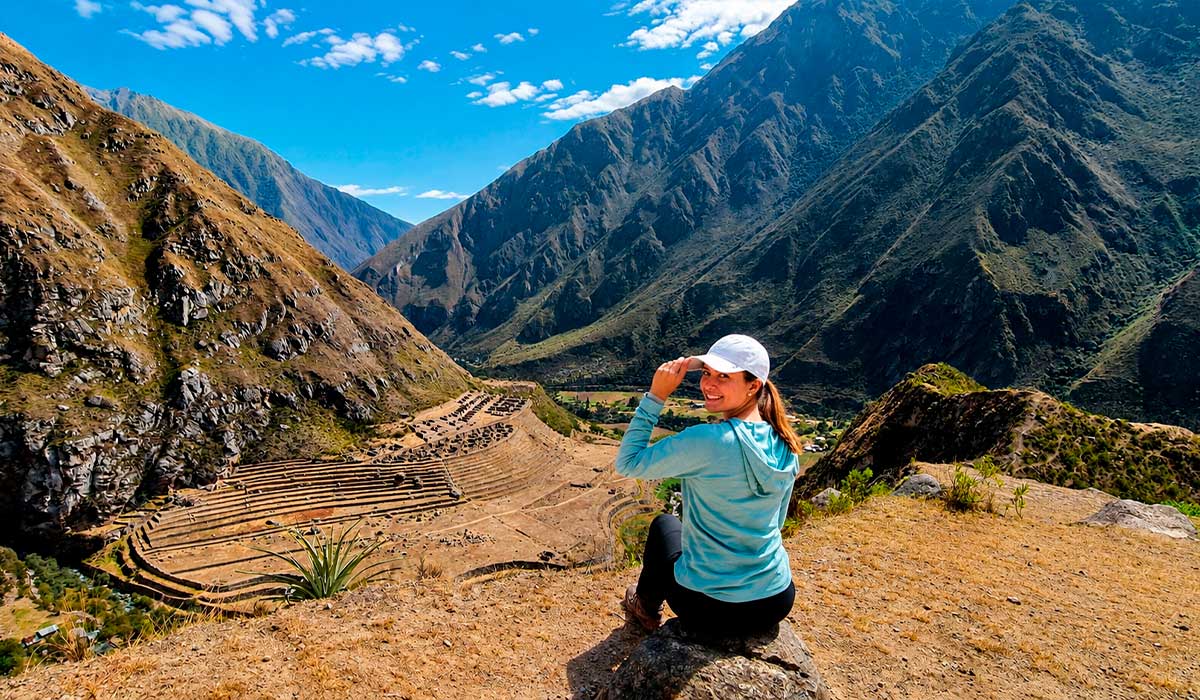
The second day presents us with the biggest physical challenge of the whole expedition: crowning the majestic Warmiwañusca pass, historically known as the "Dead Woman's Pass", at an altitude of 4,050 meters (13,280 feet). Once the summit is conquered, we will start the descent toward the Pacamayo sector to enjoy a well-deserved lunch.
Then, we will resume the march walking on the stone path, exploring the ruins of Runkuracay before facing the second mountain pass, the Runkuracay Pass. To finish this intense day, we will walk along the "Royal Inca Trail", passing through the extraordinary Sayacmarca complex, until arriving at our second camp set up in Chaquicocha.
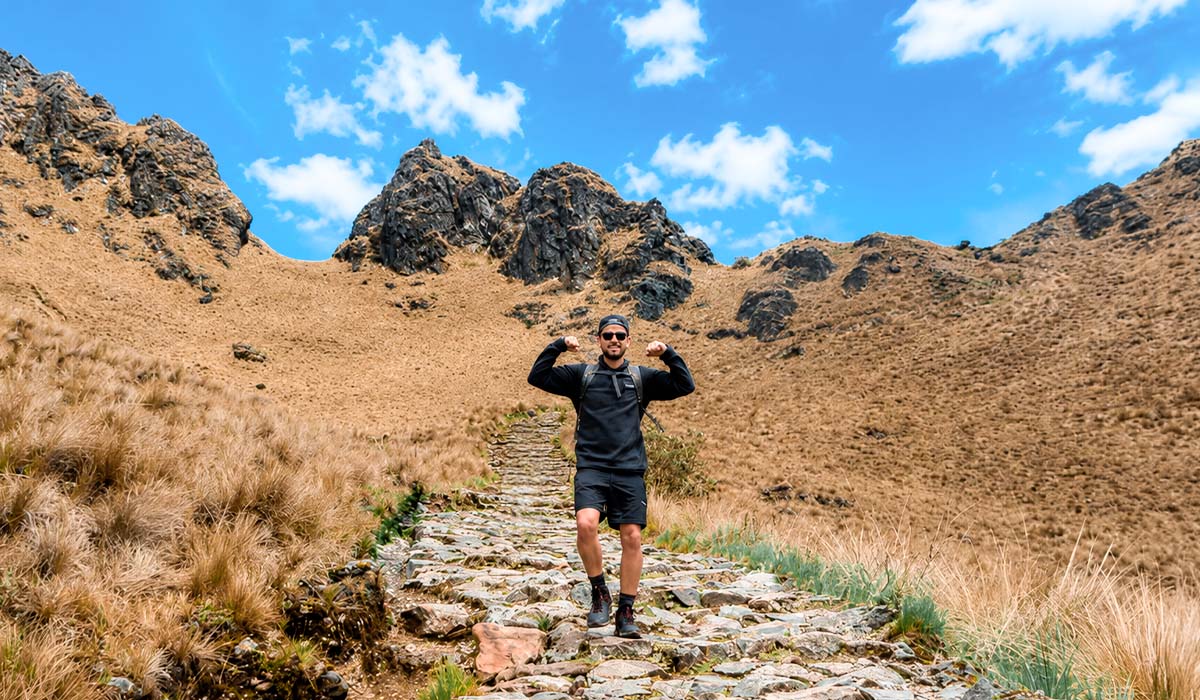
On this third day of the expedition, we will fully enter the cloud forest, descending down the ancient stone stairs toward Phuyupatamarca. This site is known as the "Town above the clouds" and stands out as one of the most complete and best-preserved archaeological sites on the route.
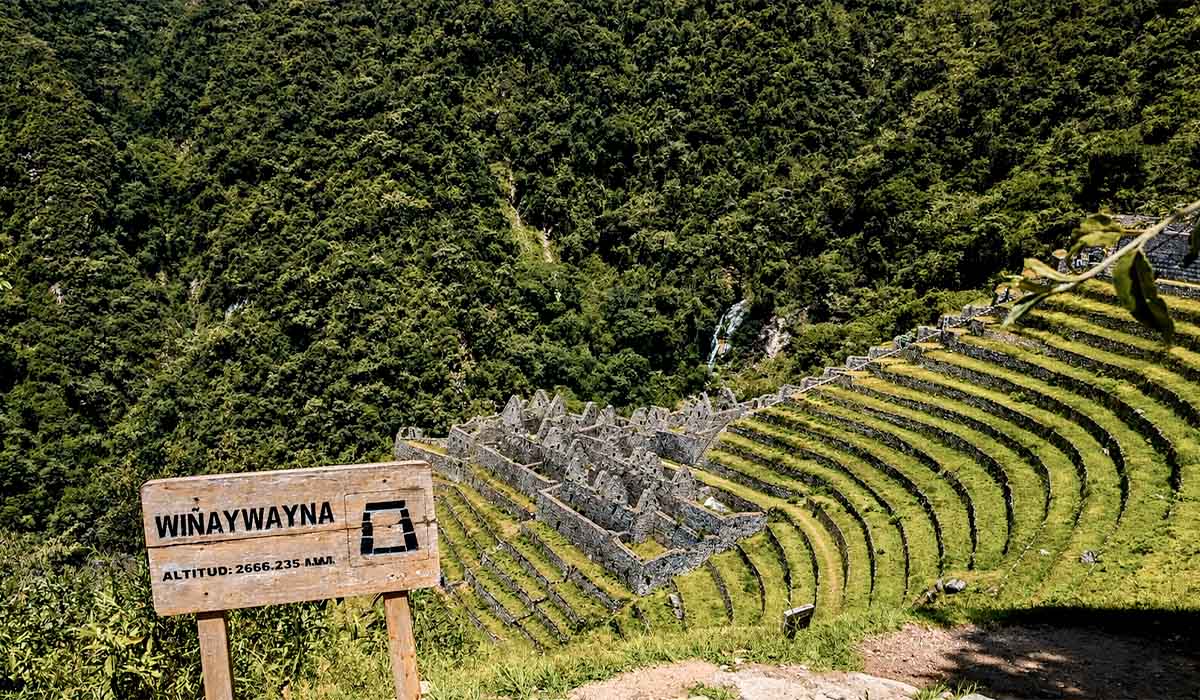
Upon reaching the top of this hill, we will have a guided tour of the site and then enjoy our lunch. Later, the route will require a steep descent of about three hours down Inca steps until reaching Wiñay Wayna. As a perfect finish, we will explore this charming archaeological complex in the thick of the forest, to then enjoy our last dinner in the mountains.
Our last and most desired day will begin very early in the morning, walking the last kilometers of the ancient trail. In this sense, we will climb up ancient stairs until we reach the Inti Punku (the Sun Gate) before dawn, which will give us the privilege of watching the sunrise slowly light up the Andean sanctuary. Consequently, after enjoying the view, we will go down to begin our official exploration of the site.
After entering the citadel, there will be a two-and-a-half-hour guided tour of the "Lost City of the Incas". Likewise, to guarantee the best experience and strictly follow current rules, the tour follows a precise logistical structure:
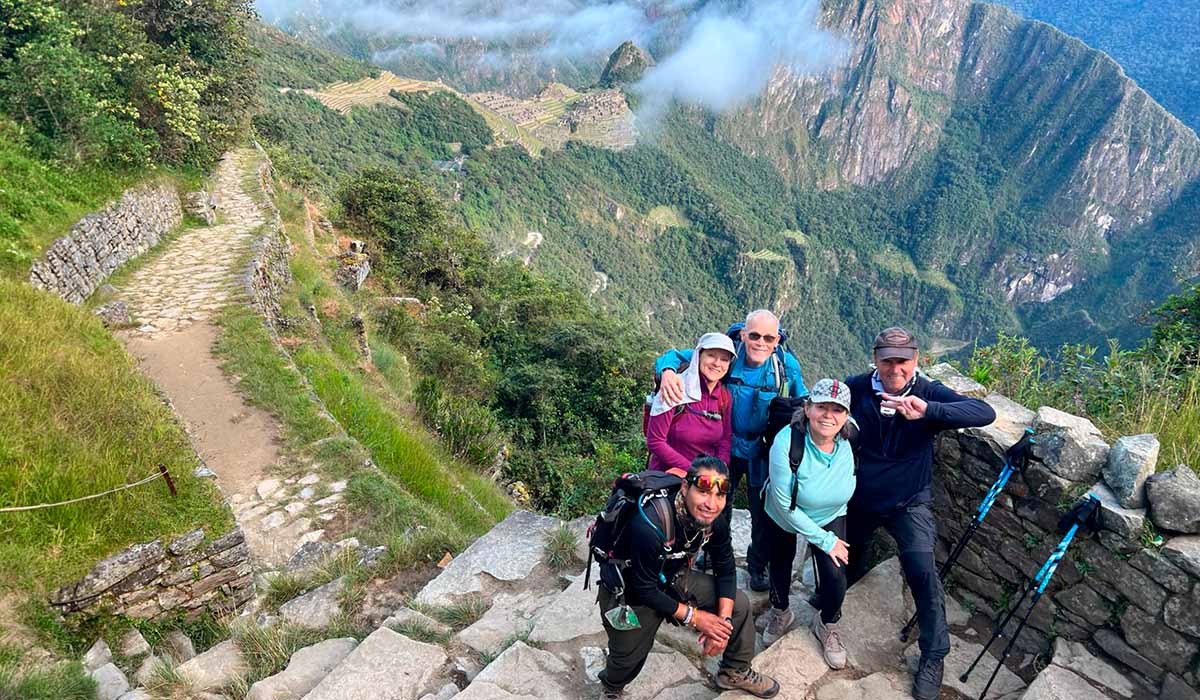
After the guided tour, there is the chance to raise the level of the adventure and climb on your own to the surrounding mountains to get unmatched panoramic views. However, it is vital to consider that these activities have an extra cost and require booking in advance:
In the afternoon, we will begin the descent toward the town of Aguas Calientes. In this place, you will have free time to have lunch or rest comfortably before boarding the return train to the Ollantaytambo (or Poroy) station. The service of our expedition will finish perfectly with the ground transfer back to the city of Cusco, arriving at night to beautifully close this journey.
FREE OPTION: Those, who are not able or interested in to hiking Machu Picchu, can get back to Cusco or just stay at the Sacred Valley of the Incas and spend the following 2 days there. In this case, they reach Aguas Calientes by a tourist train (Expedition Service). They overnight in a hotel and they take a shuttle bus the next morning to Machu Picchu where they reunite with that first group consisting of the Inca Trail hikers. This option is for no additional cost!!
IMPORTANT: If you decide not to do the trek, you must advice us enough time in advance (usually, a couple of weeks ago) in order to secure your train tickets!! Otherwise, we are not able to guarantee you this option for free!!
If you have any query, please do not hesitate contacting us!
Cusco is situated in extraordinarily handsome Andean countryside. It is 3400 metres above sea level and its inheritance as the center of the Inca Empire is apparent: Most of the city streets are paved with Inca constructed stome walls and is busy with Quechua speaking heir of the Incas.
Today, we need to rest after the hike to Machu Picchu. We can walk around the fascinating capital of the Incas, visit its markets, buy some souvenirs or do some optional activities (such as a Cusco City Tour) as well as get ready for the last night in the city! During the optional City Tour Cusco, we start the tour with a visit to the Cathedral, constructed between 1560 and 1654 on the site of the palace of the Inca, Wiracocha. We then continue to Qoricancha - the Inca Golden Temple of the Sun and the main temple of the Incan empire. Here we can see some fine instances of Inca stone masonry. We will walk through the Inca lined walled streets on our way to the San Blas neighbourhood, notable today, as in Inca times for its skillful artisans.
You can also explore by yourself some of many very good museums such as the Inca Museum, the Qoricancha Museum, the Archaeological Museum (which also houses a small art exhibition), the Regional Historic Museum and the Religious Art Museum.
The ruins of Sacayhuaman
You can discover the old Inca sanctuary with its extremely large monolithic walls made from stones that weigh up to 130 tons each, all linked perfectly together. You can then stop at the amphitheatre at Qenqo, the fortress of Puka Pukara and the ritual Inca baths at Tambomachay.
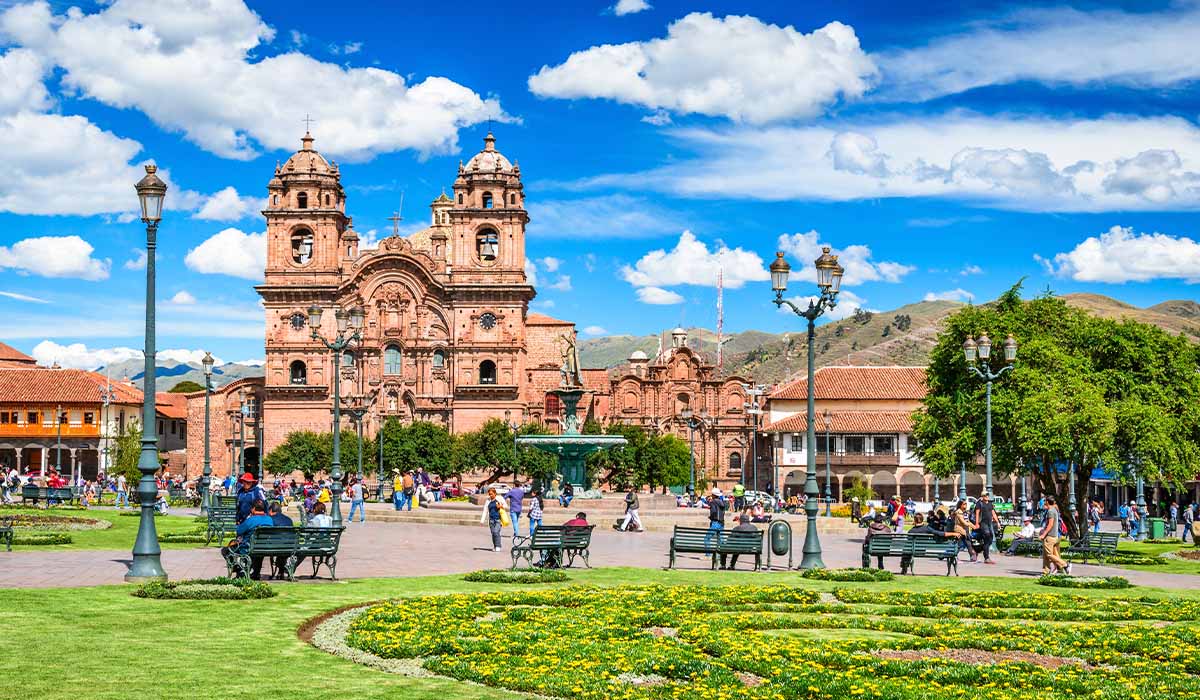
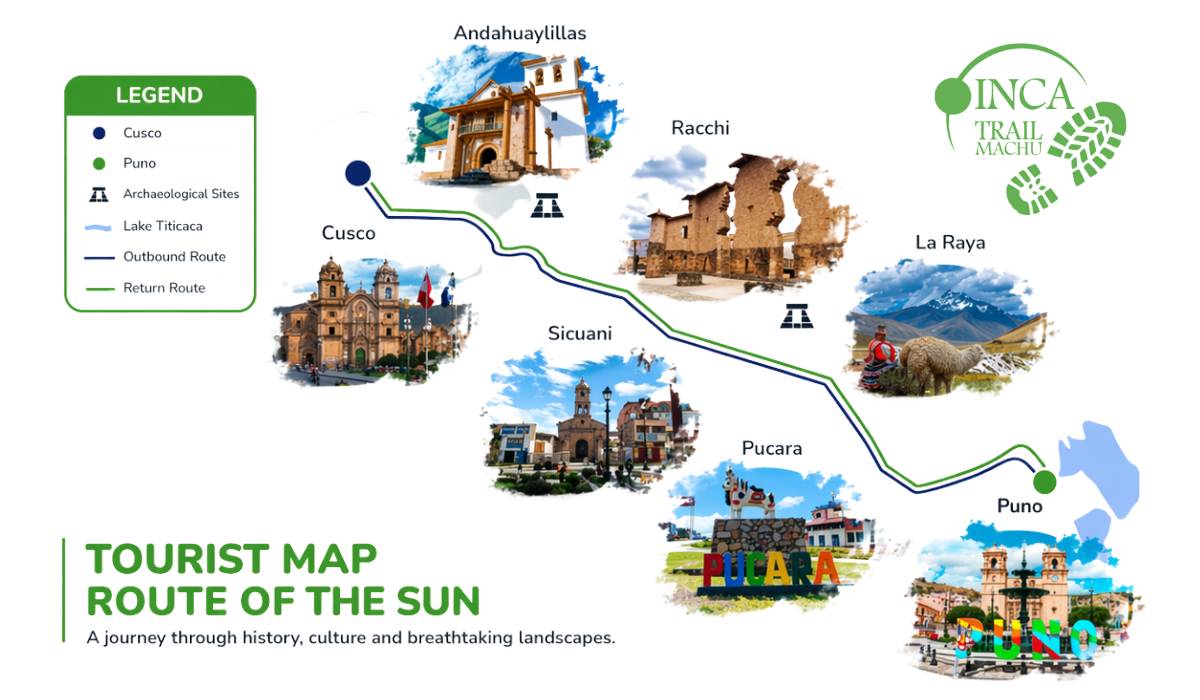
Today, we will embark on a fascinating expedition aboard a tourist bus to discover the many archaeological and historical treasures along the Route of the Sun, which connects the heights of Cusco with the highlands of Puno. Our first stop will be the charming town of Andahuaylillas in the South Valley. Here, we will visit the renowned San Pedro Church, recognised worldwide as the 'Sistine Chapel of the Americas'. Although the adobe structure with a white façade, built by the Jesuits between the XVI and XVII centuries, may seem modest on the outside, the interior is adorned with an extraordinary abundance of mural paintings and colonial sacred art.
Next, we will travel to the Piquillacta complex, the most outstanding pre-Inca settlement near the imperial capital. This archaeological site is also of vital importance in demonstrating the strict planning and classic Wari-style architecture, comprising more than 200 kanchas (residential complexes) and 504 qolqas (warehouses), which housed a population of around 10,000 people. Its Quechua name, curiously translating as 'City of the Fleas', does not refer to a lack of hygiene, but to the small size of its rooms and the level of crowding experienced by its inhabitants, who researchers suggest worked as mitimaes (communities relocated for sociopolitical purposes) during the later Inca period.
Later, the route will take us to the incredible Raqchi archaeological park, where we can marvel at the skill of the Andean builders as we explore the remains of the enormous Temple of Wiracocha, which was built in honour of the creator god. Then, we will ascend to La Raya pass, the natural border between the Cusco and Puno regions. This pass offers exceptional views of the snow-capped peaks. Finally, we will stop in the historic town of Pucara to visit the fascinating Lithic Museum, which houses invaluable pre-Inca steles and artefacts. After this intense cultural day, we will arrive in the city of Puno, where we can settle into the hotel and rest.
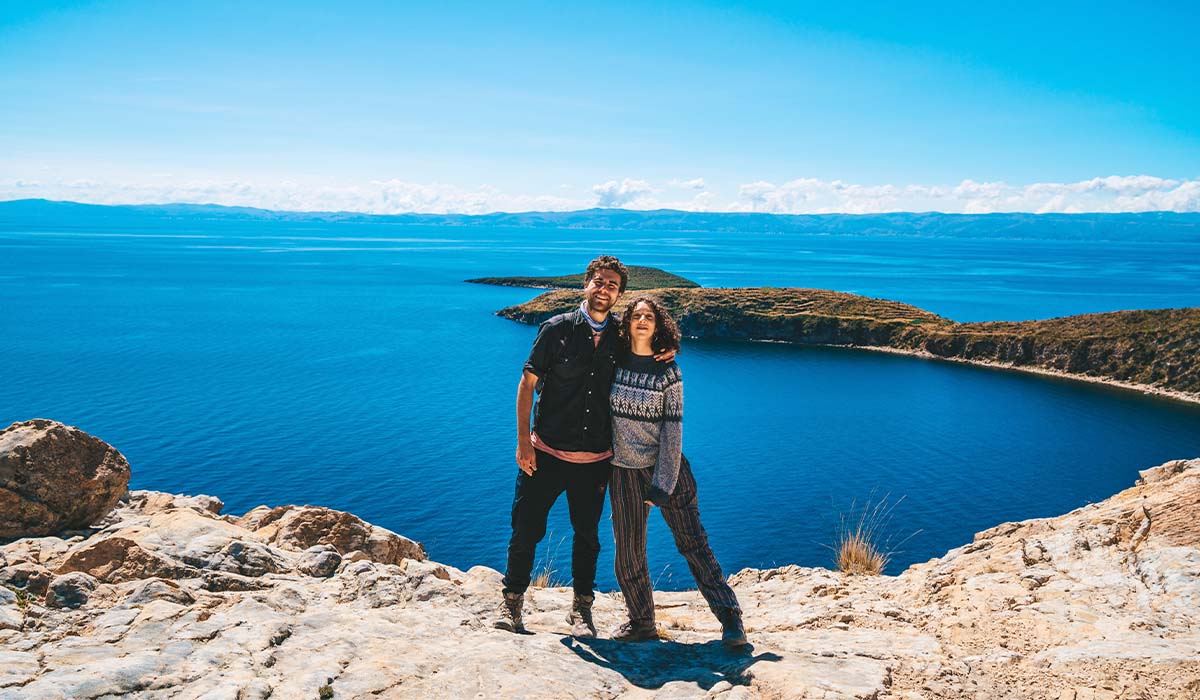
In the morning, we board our comfortable motorboat and set off to explore the Uros Floating Islands, as well as the islands of Amantani and Taquile, which lie on Lake Titicaca. We will stop at the islands to take in the magical scenery and meet the friendly local people.
The lake is located 3,830 metres above sea level, resulting in extreme weather conditions, with very cold nights and strong sunshine during the day. The city of Puno, situated on the shores of the lake, is well known for its wealth of traditional dances — there are up to 100 different varieties, which are usually performed in street processions to celebrate Catholic feast days. Another popular optional activity in Puno is to visit the spectacular Chullpas of Sillustani, the tower-like tombs of the pre-Incan Colla culture, located nearby.
Lake Titicaca is the largest lake in the world above 2,000 metres, as well as being the highest navigable lake in the world! Our first stop on the lake is the floating island home of the Uros people. The Uros began their unusual floating existence centuries ago in an effort to isolate themselves from the militant Collas and Incas. Unfortunately, the Uros language has become extinct, so nowadays the Uros people speak Aymara due to intermarriage with speakers of the language. Around 300 families live on the islands, but their number is slowly declining.
The islands are made of layers upon layers of totora reeds that grow in the shallows of the lake. The layers nearest the water start to rot and are replaced with fresh totora layers on top. The totora reed is used to make almost everything on the islands, including real boats and small model boats that are sold as souvenirs. Building a real totora boat takes up to six months!
After visiting the Uros Floating Islands, we head to Amantani Island. There, we disembark and our tour guide shows us around the island, which boasts stunning views of Lake Titicaca and friendly inhabitants with their unique folklore. To experience more of the local culture, we spend the night in family homes on the island.
The following day, after breakfast in the family homes, we continue our motorboat ride. Our next destination is Taquile Island, which is famous for its fine hand-woven textiles and clothing, which are considered to be the finest handicrafts in Peru. In fact, Taquile and its textile art were recognised by UNESCO in 2005!
After visiting this spectacular island and enjoying its amazing views of Lake Titicaca, we return to Puno in the afternoon. From there, we will transfer you from Puno's port to your hotel.
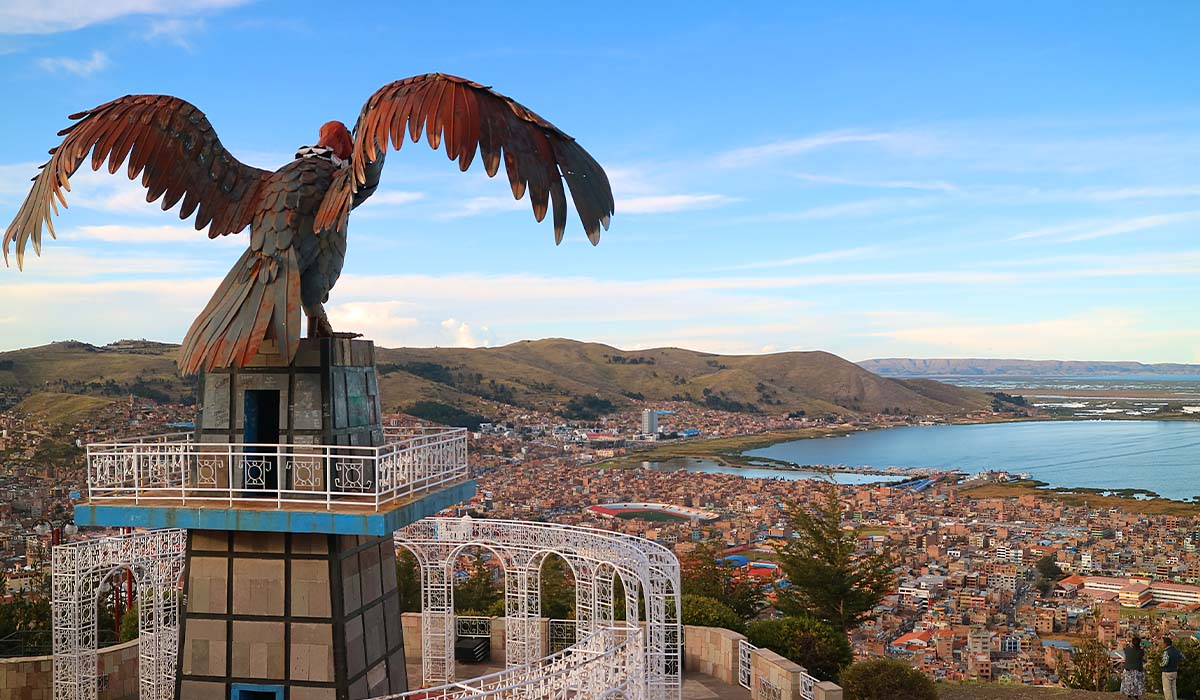
Today is a relaxing day, free time to explore around Puno, visit its markets, buy some souvenirs, take some optional activities (for example, a visit of the Chullpas de Sillustani) and enjoy the last night in the city.
Puno is the most important city of the same named region. The city is considered as the Capital of Folklore because of its typical dances, for example, the Sikuri and the Diablada that are typical dances performed during festivities such as the Virgen de la Candelaria, the city’s patron.
Today, we take a tourist bus to get to the commonly named "White City" - Arequipa, which is the second most important and biggest city of Peru! The city is placed at 2380 m above sea level and is surrounded by Andean mountain range. Arequipa´s city centre is built from a white volcanic stone called sillar. For this reason, buildings in its centre dazzle in the Sun that result in the nickname - the White City. The highlight of the city is its Cathedral with its main square: the Plaza de Armas that can be viewed from one of the many surrounding coffee shops. Also the church and cloisters of the Jesuit church, colonial mansions, San Francisco Church, the artisan fair and the overlook at Yanahuara.
Those, who are interested in history and architecture, may take an optional visit to the Santa Catalina Convent offering a brief respite from the outside world and a unique view into a way of life in bygone times. It was built in 1580 and was entirely secluded from the outside world until 1970. We can also view the Misti Volcano (5,822 m/19,096 ft.) from the city with its beautiful snowcapped peak. The historic centre of Arequipa was declared by UNESCO as a "World Cultural Heritage"!!
We can also offer you some of our optional Arequipa tours, for example, an Arequipa City Tour or an Arequipa Rural Tour (not included in the package).
We leave Arequipa in the morning, arriving in Chivay around midday. On the way, you can appreciate the incredible landscape of the Altiplano reaching up to 4,900 metres above sea level. We stop on the way at Cañahuas, a wildlife reserve where you can hope to observe beautiful South American cameloids such as alpacas, llamas, vicuñas, some birds, viscachas as well and now and again the much scarcer guanaco. Later on, we get to the town of Chivay, where we accommodate ourselves in a hotel. In the afternoon you are free to discover the village on foot. After that, you can visit the local thermal baths called La Calera where temperatures reach 38°C, just outside the town. In the evening, we have dinner at a local restaurant and then we overnight in our hotel.
The second day, we leave Chivay to visit the Cruz del Condor to observe the very large Andean condors flying above the valley on the morning thermals. Before we get there, we make some stops along the way to view the local villages of Cabanaconde and Yanque with their colonial churches and typical clothing as well as the nearby pre-Incan tombs placed in the mountain walls.
After our visit to the Cruz del Condor, we start our return to Arequipa City via Chivay, where we get to in the late afternoon.
Colca Canyon is one of the world's deepest canyons! It covers an area of about 100 miles (160 kilometers), 5 hours northwest of Arequipa. Colca Valley is a colourful Andean valley with pre-Incan roots and towns founded in Spanish colonial times. These towns are still inhabited by the people of Collagua and Cabana cultures! Local people preserve the traditions of their ancestors and the farmers still cultivate the hundreds of pre-Incan stepped terraces for agricultural purposes. Life in the valley has changed very little over the centuries.
The canyon is home to the Andean condor (Vultur gryphus), a specie that has been in focus of worldwide conservation efforts. Condors can be seen in range as they fly along the canyon´s walls. A popular tourist stop is a viewpoint named "Cruz del Condor" (Condor´s Cross) where people watch condors soaring on warm air waves in the morning and the afternoon. This point is situated at 1,200 metres (3,960 ft) below the rims of the canyon, 60km from Chivay. The back drop at the canyon is utterly beautiful.
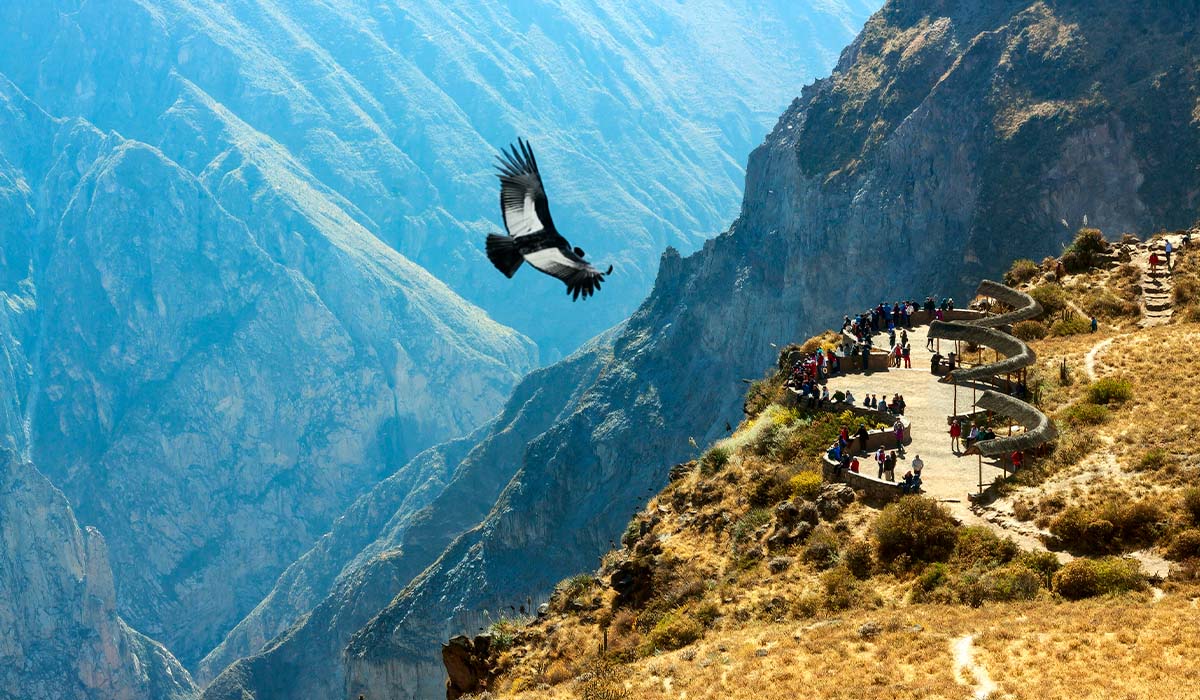
Today is a relaxing day, free time to explore around the Arequipa City on your own. So you can visit its markets, and buy some souvenirs. You may also visit the peaceful Santa Catalina Monastery, the Juanita Mummy Museum, watch locals during their daily activities or undertake the Arequipa City Tour, if you had not time to do so at the arrival. After that, you can enjoy Arequipa´s nightlife
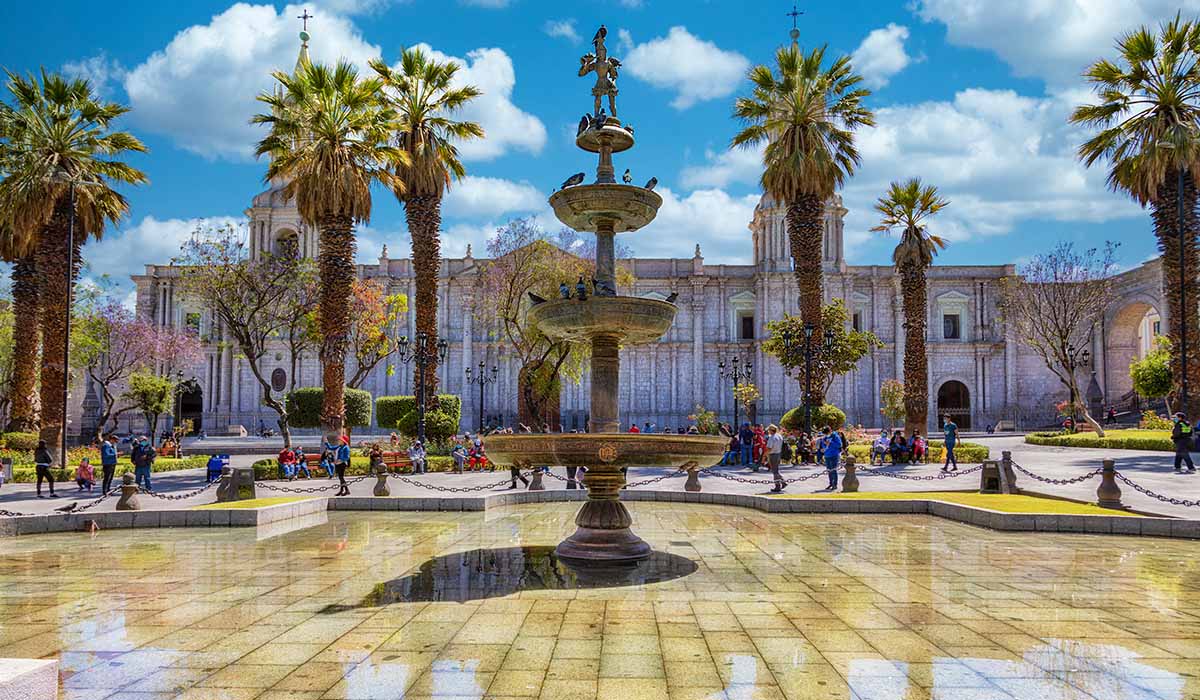
We take a flight back to Lima today. Then we transfer you from Lima airport to your hotel to be later given time off to explore the city on your own. You can do some optional activities such as the Lima City Tour that we can arrange for you upon request. This starts with a trip to the main sights of the centre of Lima: the government palace, the Arab-influenced design of San Francisco church which includes a mostrance made in 1671 and an assemblage of jewels and underground tunnels.
The tour then continues with a stop to the closeby Cathedral on the main square which is furnished with the city's emblem and contains the remains of Francisco Pizarro, the establisher of Lima. You can also visit some of local excellent museums such as the Rafael Larco Herrera Museum housing an impressive collection of pottery, mummies and textiles of the Paracas and Nazca cultures or the notable Gold Museum which contains an exceeding private collection of more than 6500 pieces from the Mochica, Nasca and Chimu cultures collected by the philanthropist Miguel Mujica Gallo.
Limeños (Lima’s residents) are friendly and the city itself is full of marvellous coffee shops, restaurants, especially "cevicherias" so that seafood lovers will feel like in a paradise! The rich districts of Miraflores, Barranco and San Isidro, situated on the the coast, offer perfect nightlife so do not forget to enjoy your last night there! Overnight in your hotel.
Transfer to the Lima´s airport for your international flight.
End of service!
Meal budget: Please allow USD 200-250 for meals not included in the package.
Single room: Please note that if you have booked the "Single Room" option for this tour, you receive your own single room for all overnights and a single tent for the Inca Trail.
Local flights: All local flights are included in the cost of your tour unless noted otherwise. It is very important that we have got your passport details at the time of your booking in order to process all air tickets. Internal flight tickets are issued locally and they will be given to you prior to each flight departure!

 +51 84 217 551
 +51 997 434 941
 Av Tupac Amaru PP-10B, Santiago, Cusco, Peru
  info@incatrailmachu.com
 www.incatrailmachu.com


