
Cusco is one of the most complete destinations in South America to enjoy trekking and outdoor adventure. Surrounded by mountains, snowy peaks, deep valleys, and ancient paths, this destination offers routes that combine Andean landscapes, history, and nature.
Many of these tours are part of the most internationally recognized hikes in Peru. From classic routes like the Inca Trail to less crowded alternative paths like the Salkantay Trek, Cusco offers options for different levels of experience. There are short hikes ideal for acclimation, as well as demanding treks that cross high mountain passes, glacial lagoons and rural areas.
Choosing one of these trails is an excellent way to enjoy vacations in Cusco, as it allows you to discover the destination beyond the traditional circuits. Trekking offers a different perspective of the Andean landscape, connecting with local communities and remote places that are little touched. In this blog, we present the best trails for trekking in Cusco and what you can expect from each one.
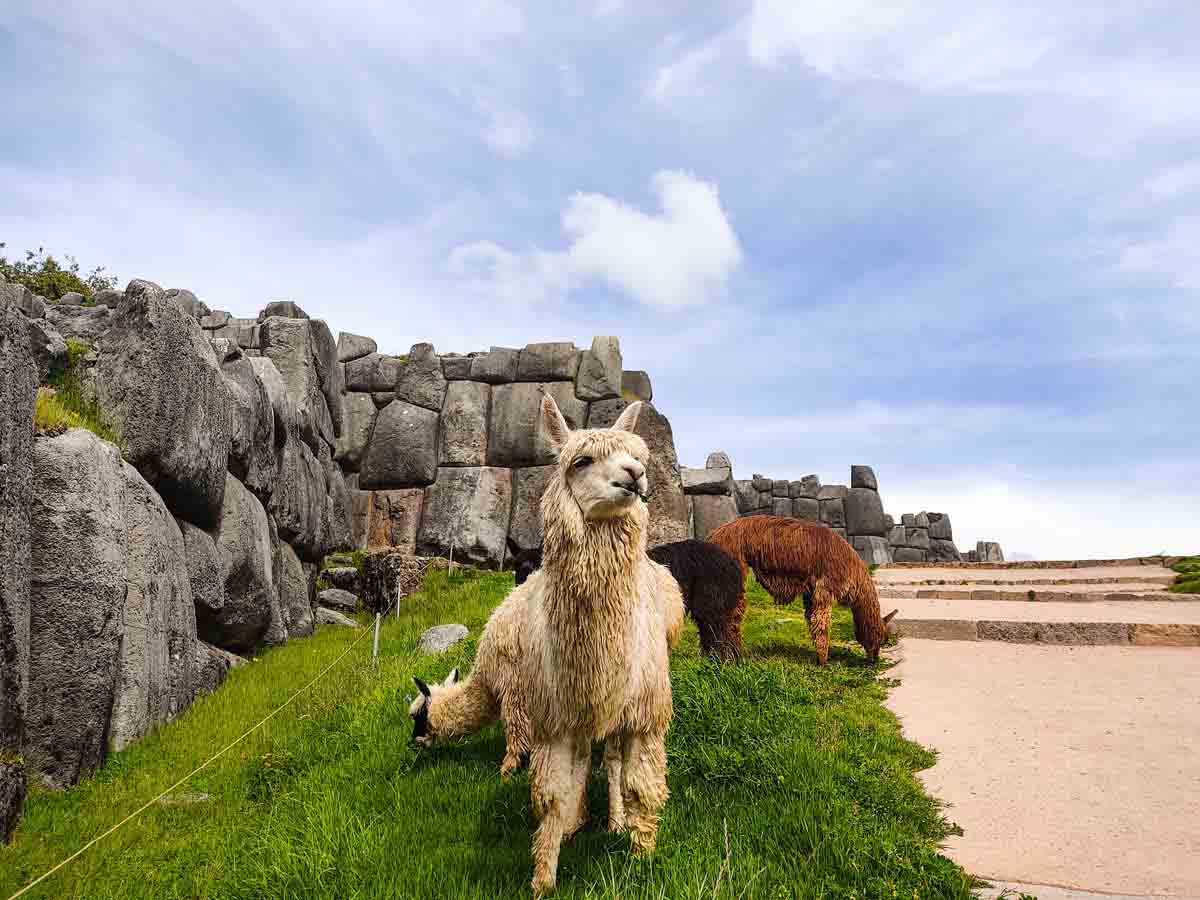
This tour is ideal for learning about the history of Cusco while doing a Peruvian Highland trek without leaving the city. The circuit includes the areas of Sacsayhuaman, Qenqo, Puca Pucara and Tambomachay. It is a moderate-level hike that allows you to walk on both ancient trails and sections near the road. The complete route lasts about 3 to 4 hours and starts from Saphy Street, near the Plaza de Armas, going up through the Kolkampata neighborhood via a zigzagging path that follows the Saphi River.
After just 20 minutes of climbing, you enter the Sacsayhuaman fortress. After visiting this site, the route continues toward the Rodadero and the Amphitheater, connecting with a 2 kilometer stretch to the northeast to reach Qenqo. From there, a trail parallel to the road leads to the red fortress of Puca Pucara, which is a few hundred meters from the access path to Tambomachay. This circuit is the perfect walking alternative for those looking for a more active experience than the traditional Cusco City Tour and Ruins by bus.
For travelers who do not have previous experience on high-altitude routes, it is recommended to hire the services of a specialized guide at the start of the tour in Sacsayhuaman. Also, a practical option to avoid getting too tired is to do the walk one way and arrange the return from Tambomachay to the city center using public transport or a taxi.
RELATED:HIKING TO SACSAYHUAMAN
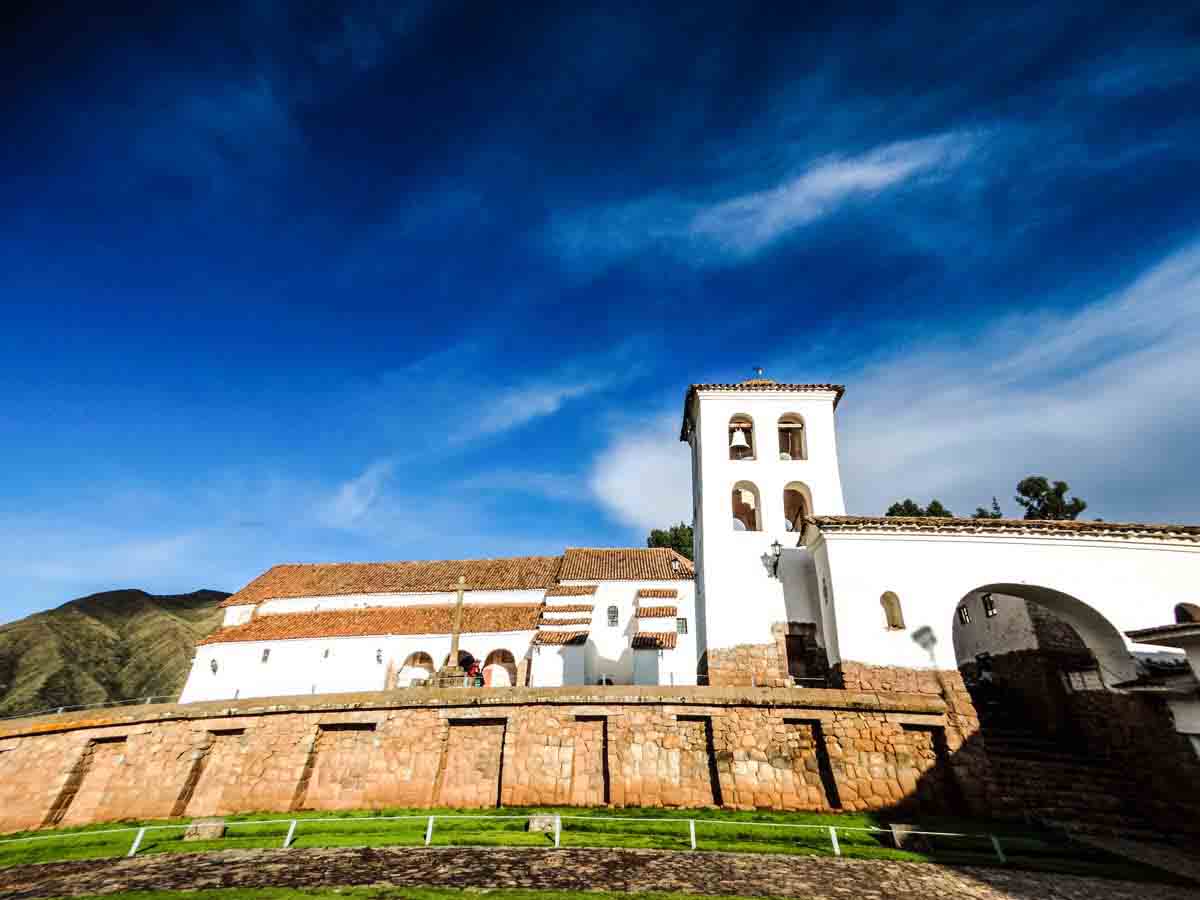
A simple walk of low difficulty (almost everything is downhill) but requires 5 to 6 hours of walking. You depart from Chinchero towards the north across the system of platforms, a quite pronounced footpath (there are sections of the Inca Trail) descents across a stretch valley to the Tambo Inca ruins, a place of rest and supply in the epochs of the Incas. The route descents in the middle of the deep vegetation and breeding groups up to the Urquillos community. From there the way continues up to Huayllabamba, where it cross the Vilcanota River to get to the highway that covers the Sacred Valley between Calca and Yucay, approximately 10 km of Urubamba. We recommend departing from Chinchero before the middle day.
Located on the slopes of Yanaccaca Mountain (also called Raccay), in the south on the Calca Town, is one of the less visited place by tourist. Also known as Cacllacahuana ("where the beam can be seen" in quechua), it was the place of refuge place for the Yahuar Huaca Inca when the Chancas invade Cusco. It is still possible to see traces of buildings like the Temple of the Sun and the main neighborhood where a large room with a large rock is placed. This rock was for laminating gold (corricutana).
You get to the place by walking 7 km (about 2 to 3 hours) along a steep route from Calca or following the Inca Trail (24 km) that start in the Tampumachay archeological place, then surrounds the Qoricocha lagoon and crosses four steps of height above 4200 MAMSL.
We recommend start this route early from Cusco and be accompanied by a guide. Bring a jacket and water.
A hike of moderate demand (takes about 3 hours). To access to this archaeological place is necessary to start from the lower square of Ollantaytambo (right in front of the ruins). From there you follow an ascending path between agricultural terraces following the course of the Patacancha River. A km of walk leads you to the hamlet of Munaypata. Pumamarca is known for its walls in a zigzag pattern, presumably built as a defense mechanism.
RELATED:WHAT TO DO IN OLLANTAYTAMBO
One of the most popular Andean trekking of Peru, combines landscapes of extraordinary beauty in a circuit that allows you to make contact with a region almost unknown and populated by ancestral communities of shepherds and artisans. The Ausangate is also considered the apu or the tutelary divinity of the South Cusco region. The trek takes about 6 days and requires good physical condition, as well as support of muleteers and mules. The tour begins in the city of Cusco, following the route that leads to the villages of Huambutio, Huancarani, Catcca and Oconfate. The small hamlet of Tinki (3715 MAMSL) marks the end of the first day. This is the place where you contact guides porters and where it is possible to make late purchases of supplies.
On the second day you visit the community of weavers of Q'olamuro. This day concludes in the Upis town (4,400 MAMSL), located under the north face of the Ausangate.
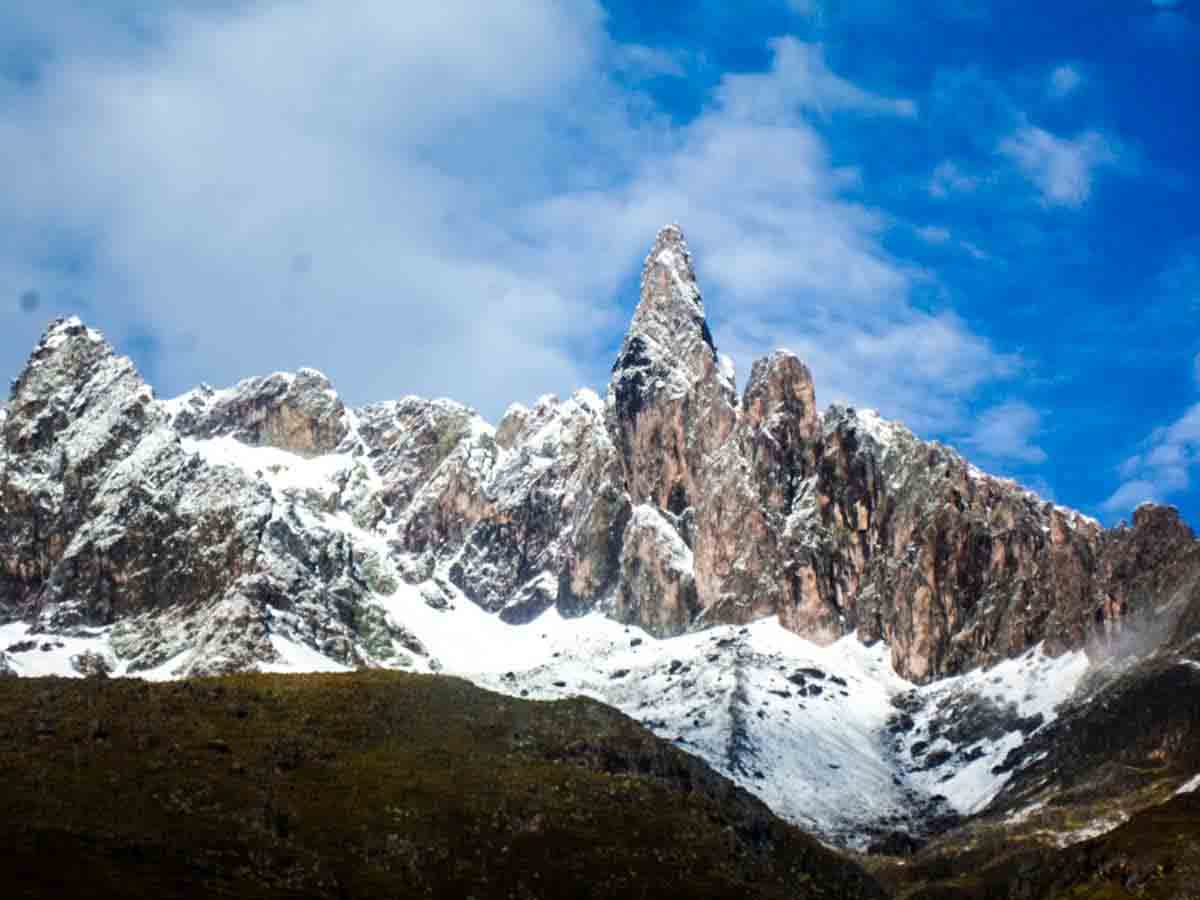
The third day the north face of Ausangate is even closer to you, passing through Upispampa and then climbing towards Inkapampa and the abra of Arapa (4,670 MAMSL) to finally descend towards the placid Pucacocha lagoon (4,575 MAMSL), located in a beautiful setting of glaciers and snow-capped peaks. The fourth day is marked by a gentle ascent to the Alcatani (4,650 MAMSL) and the following descent into the beautiful glacier lagoon of Ausangatecocha.
From there, a new ascent steep leads to the open Palomani (5,059 meters), from where we descent along the valley of Machuraqay and with the spectacular landscape of the snow-capped Mariposa Mountain on the southeast to the Chillcapinaya town (4,400 MAMSL) and the pampas of Waru Waru (4,450 MAMSL), the scenery of the last campsite of this adventure. The fifth day is a climb to abra of Jampa (4,950 MAMSL) between the steal mountains of Huamantilla and Ccallangate. Then we arrive to the Pachapata town where is possible to enjoy beautiful landscapes of the Qomerococha and Harmacocha lagoons, the route continues to the Pacchanta community where before a bath on the thermal water, the camp's farewell is made.
RELATED: RAINBOW MOUNTAIN PERU
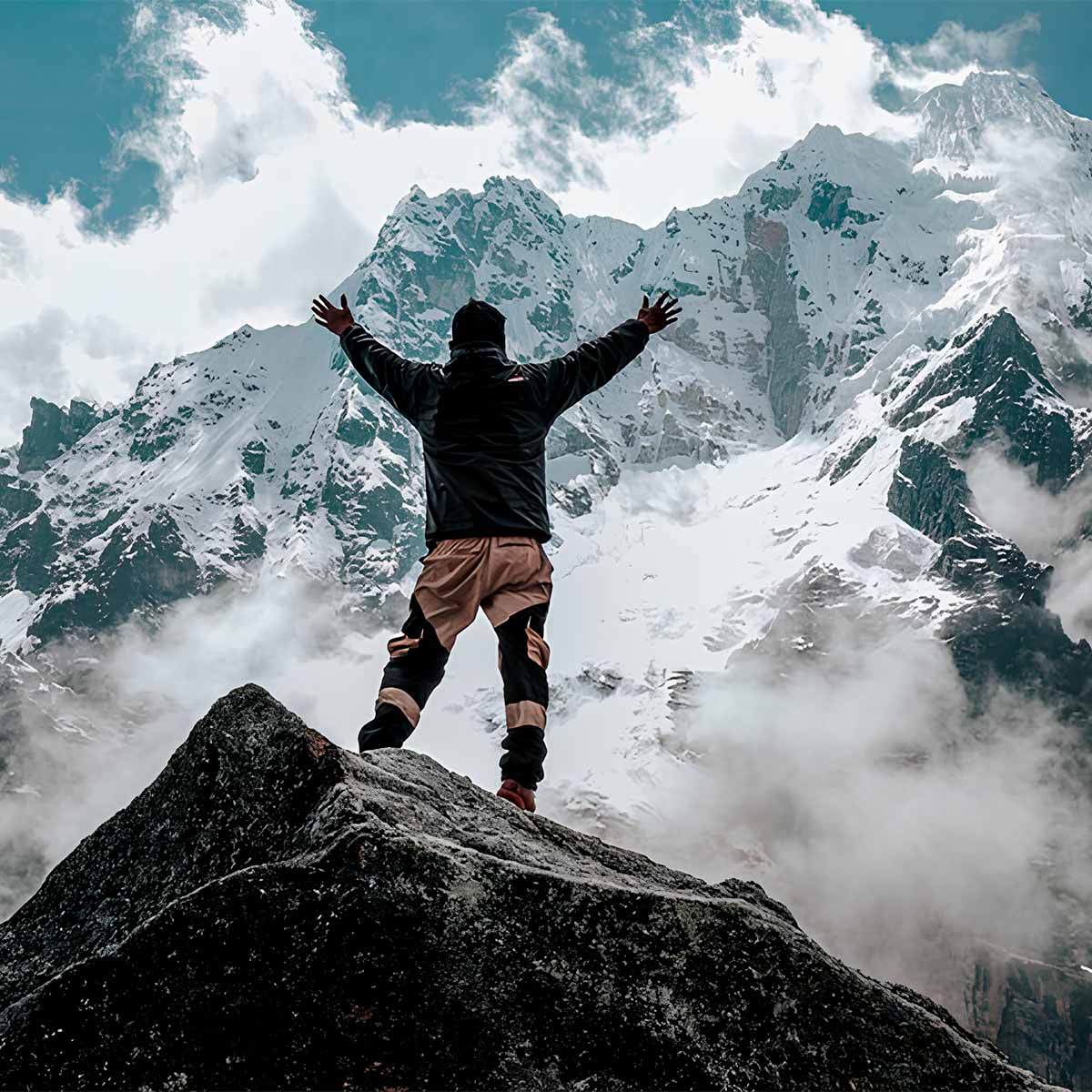
This is a beautiful but intense hike with numerous steps at high altitude. Salkantay, in addition to being the tutelary Apu of Cusco, it is also vital for the water balance of the sanctuary of Machu Picchu. It lasts approximately 7 days and requires excellent physical conditions. It also requires support mules and porters. The excursion part in general starts from the Mollepata town (2,900 MAMSL in the Cusco-Abancay route) and then goes up to Parobamba (3,200 MAMSL) where the first campsite is. The second day takes you to walk between the communities of Cruzpata (3,250 MAMSL), Oncopata and Checchincha (3,600 MAMSL) with extraordinary landscapes of the Umantay and Yanantay mountain peaks. The day concludes in the cattle town of Soraypampa (3,750 MAMSL) at the foot of the majestic Salkantay (6,264 MAMSL).
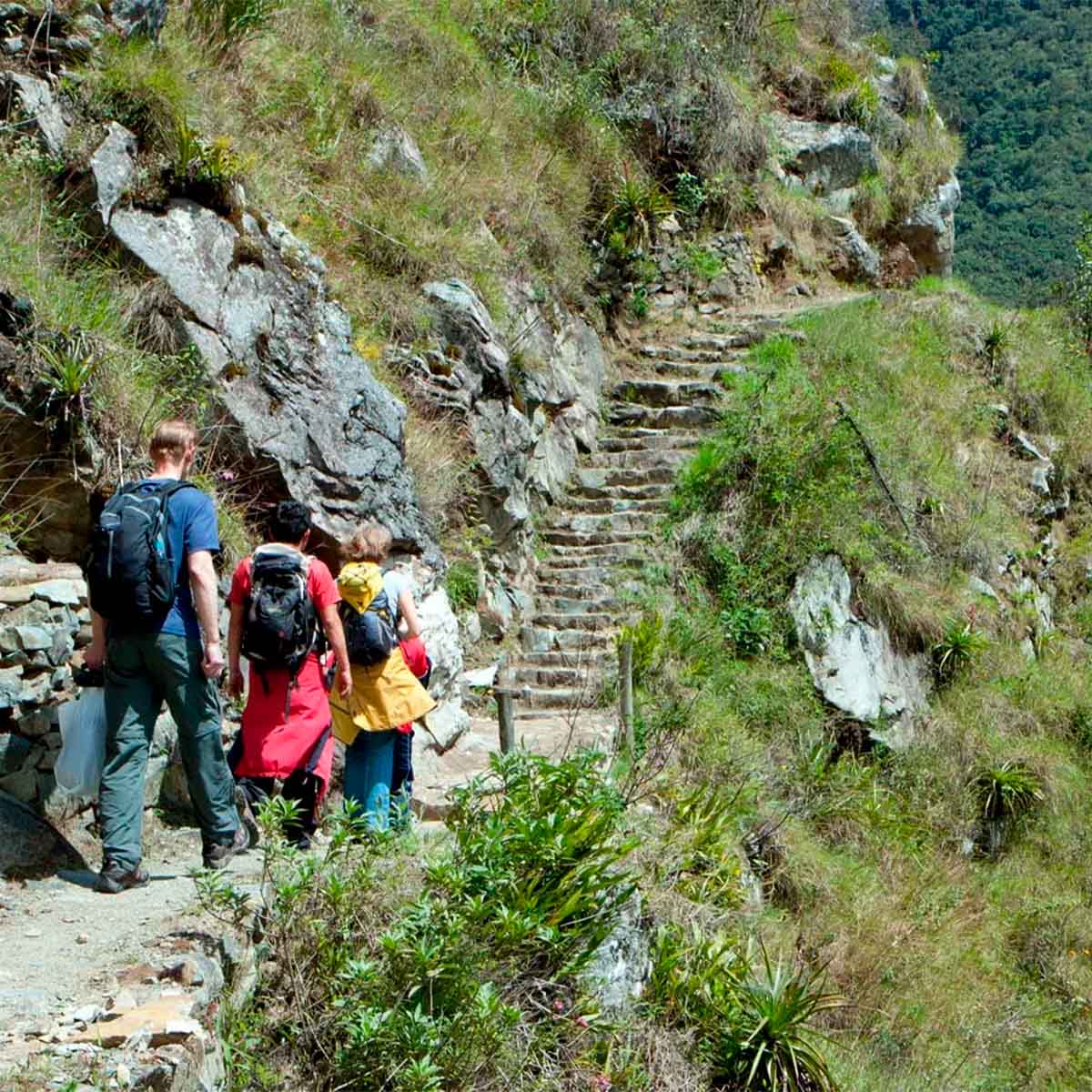
The third day takes walkers to explore the slopes of Salkantay, crossing several high steps (including Inkachiriaska at 4,900 MAMSL) and. A descent towards Sisaypampa (4,200 MAMSL) leads to the second point of camping. The fourth day leaves the heights to descent to Paucarcancha (3,150 MAMSL) at the confluence of the valleys of Pampacahua and Keska. The fifth day allows you to connect with the famous Inca Trail to Machu Picchu after passing through Yunkachimpa and the forest of the Llullucha ravine.
On the next two days you will follow the Inca Trail to get to Machu Picchu on the sunset.
 |  |
A strong and impressive trekking reserved for experts and adventure lovers. Take 4 to 10 days touring this beautiful but rugged territory limited by the peaks of the Vilcabamba mountain range (crowded by Salkantay, 6,264 meters above sea level), the south and the west, the Urubamba River and the rainforest of the Koshiereni River on the north (machiquenga ethnic territory). This spectacular circuit starts on the Chaullay town, located on the same side of the historic Choquechaca Bridge (bastion of the inca resistance in the 16th century). A hard road ascends from the village to the Vilcabamba River Valley to the town with the same name and the Yupanca, Pucyura y Huancalle towns (2,950 MAMSL) the end of the highway.
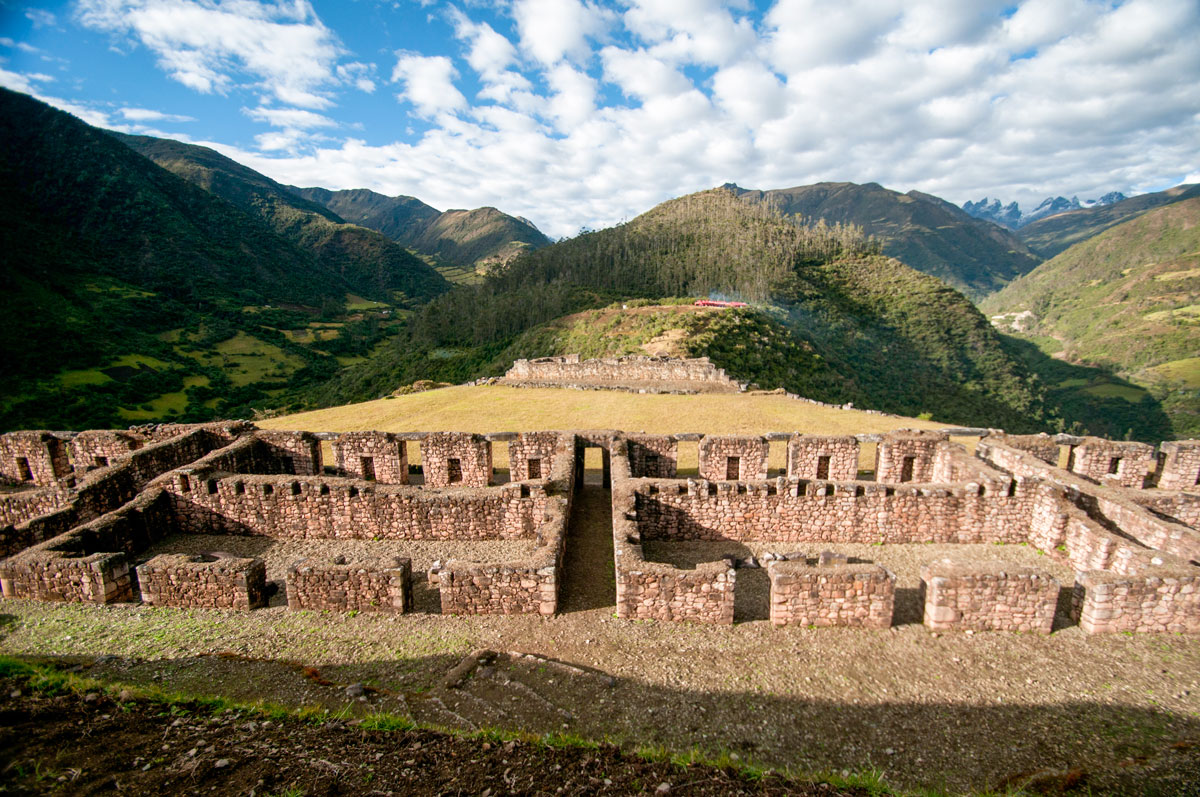
RELATED: Vilcabamba: know the lost city of the Incas in Cusco
During to visit Machu Picchu and Cusco, you can choose from a variety of tours. These range from full-day excursions to Inca Trail tours to the Sacred Valley trip. Multi-day tours can be combined with climbing Huayna Picchu, walking along the Urubamba River, following the authentic Inca paths, of which the most famous is the 4-day Classic Inca Trail, or visiting other archaeological sites such as Llactapata, Sacsaymarca, Phuyupatamarca and Wiñay Wayna. You can also add a Rainbow Mountain Peru into your itinerary since this is an increasingly popular hike leading through Andean villages with living traditions.
If you are looking for a shorter adventure, choose the Short Inca Trail. The best hiking alternatives to the Lost City of the Incas are so-called Alternative Treks to Machu Picchu.
If you don´t want to hike, we recommend you the best Machu Picchu day tours:

 +51 84 217 551
 +51 997 434 941
 Av Tupac Amaru PP-10B, Santiago, Cusco, Peru
  info@incatrailmachu.com
 www.incatrailmachu.com


