
Forget everything you thought you knew about South American food: Lima not only earned the title of gastronomic capital of Latin America, but it built a whole identity around it. This is a city where a 5 dollar lunch and a 200 dollar tasting menu can leave you speechless, and where each dish tells the story of the indigenous, African, Chinese, Japanese and Spanish roots of Peru, which come together in a single plate.
If you plan a trip to Peru, spending at least a couple of days in Lima before going to Cusco or Machu Picchu is the ideal starting point for your trip. Beyond ceviche and aji de gallina, exploring the food scene of Lima with a local guide is one of the easiest ways to understand the country even before setting foot in it.
In this guide, we will show you the dishes you must try in Lima, the neighborhoods where the best food hides, the drinks that go with everything, and practical tips to make the most of your time at the table. This way, when you are on your way to Cusco, you will already have the flavors of Lima to compare with everything else.
Why is Lima the gastronomic capital of South America?
Lima did not reach this title by chance or by marketing. The city is home to several restaurants that appear year after year on the Latin America's 50 Best list, and it hosts Mistura, the most important food fair in the region, which brings together chefs, producers, and diners from all over the continent. But what really sets Lima apart is not the awards: it is the depth of its cultural mix.
Lima's cooking is the result of centuries of migration and influence: the indigenous and coastal base, with fish and seafood as the main stars; the African heritage, which brought the use of organ meats and gave birth to dishes like anticucho; the Spanish fusion, which mixed Andean ingredients with European techniques; and the waves of Chinese and Japanese immigration, which created unique styles like chifa and Nikkei food. No other country in the region gathers so many different cooking traditions in a single city, and that diversity is the reason why the same lunch can go from the most classic ceviche to an Asian-inspired dish without losing coherence.
For the traveler, this translates into something simple: in Lima, there is not just one way to "eat Peruvian". From a neighborhood market to a starred table, the city offers a complete variety of flavors.
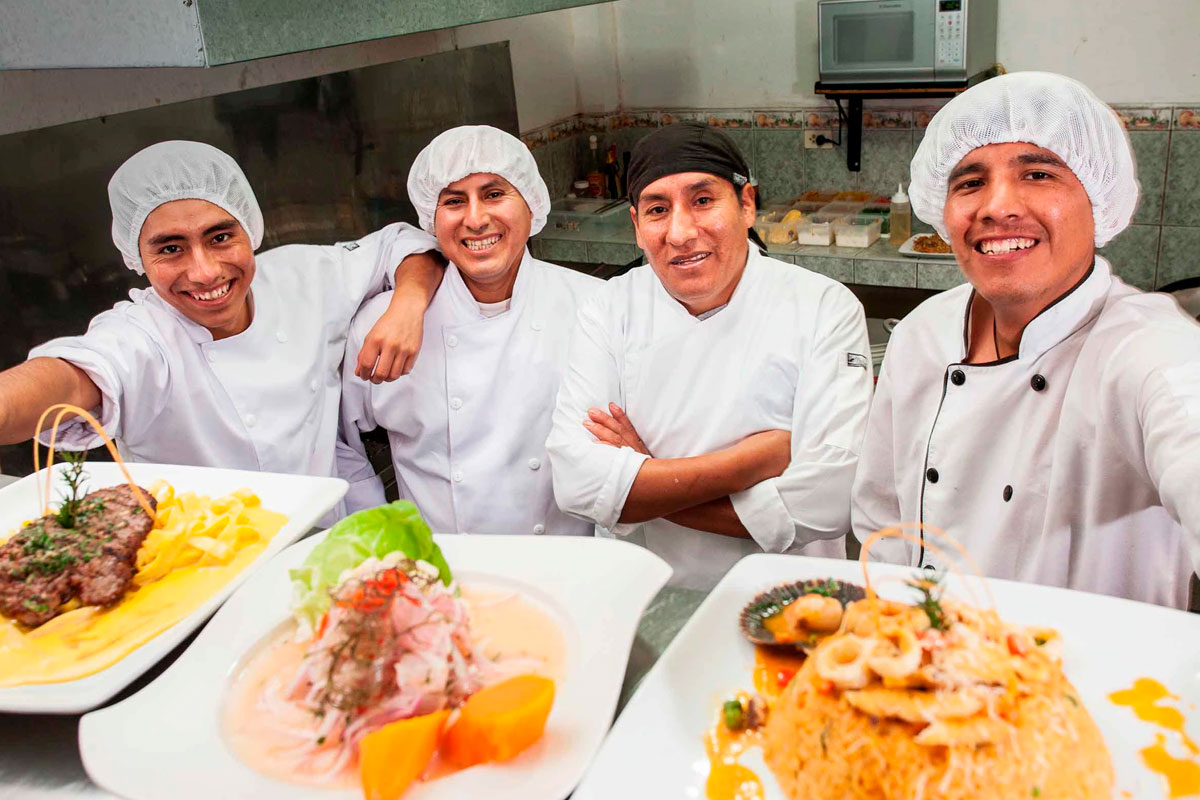
Must-try dishes of Peruvian food in Lima
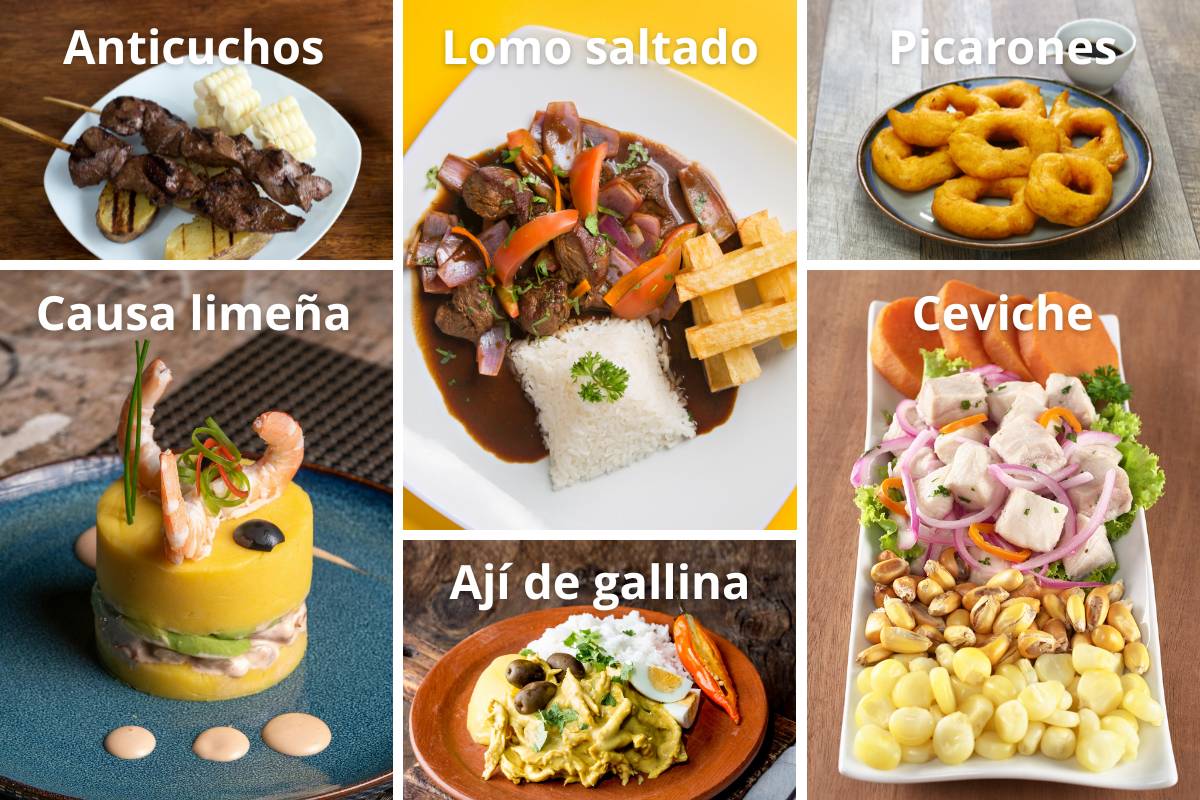
With so many options, it is easy to get overwhelmed. This is the list of dishes that, if you only have a few days in Lima, should not be missing from your itinerary:
- Ceviche: The most important dish of Peru. Fresh fish marinated in lemon juice, red onion, chili pepper, and cilantro, served with sweet potato and corn. The lemon "cooks" the fish in a matter of minutes, leaving a firm texture and an intense, citrus flavor. It is almost always served at lunch time, when the fish arrives fresher from the market. Reference price: between S/35 and S/60 in a neighborhood ceviche restaurant, and much more in famous restaurants.
- Lomo saltado: The symbol of Chinese-Peruvian fusion (chifa). This dish contains pieces of beef tenderloin stir-fried over high heat with onion, tomato, and yellow chili pepper, seasoned with sillao (soy sauce) and served with french fries and rice. It is comforting, fast to prepare and one of the most ordered dishes by both locals and tourists. Reference price: S/25–S/45.
- Causa limeña: A cold dish made of yellow potato seasoned with chili pepper and lemon, filled with chicken, tuna or avocado, and presented in layers. It is deceivingly simple: the texture of the potato and the balance between spicy and sour are what make it memorable. Good option as a starter or light lunch. Reference price: S/20–S/35.
- Anticuchos: Beef heart skewers marinated in panca chili pepper, cumin, and vinegar, and grilled. It is a direct heritage of Afro-Peruvian food and is sold both in restaurants and in night street carts, where it is usually served with potato and corn. Reference price: S/15–S/30 (cheaper on the street).
- Ají de gallina: A creamy stew of shredded chicken in a sauce of yellow chili pepper, milk, soaked bread, and walnuts, served over white rice with potato and olive. It is one of the most homemade dishes of Lima's food, the kind of recipe that each family prepares differently. Reference price: S/22–S/38.
- Picarones: The ultimate street dessert: rings of squash and sweet potato dough, fried and covered in chancaca syrup. They are found in street carts all over the city, especially near tourist areas like Barranco and the Center of Lima. Reference price: S/8–S/15 per portion.
The best neighborhoods to eat in Lima
Lima's food geography matters almost as much as the dish you order. Each neighborhood has a different food personality and knowing where to go based on what you are looking for saves you time and money. Among the best neighborhoods you can choose to taste Peruvian food are:
- Miraflores: The most touristy neighborhood and also the one that gathers the largest amount of fine food. Here you will find everything from traditional ceviche restaurants to famous restaurants with tasting menus, many of them with a view of the boardwalk and the Pacific Ocean. It is the safest option if you are looking for comfort, good service and variety, although also the most expensive. Ideal for a special dinner or to try high-level Nikkei food.
- Barranco: The bohemian neighborhood of Lima, and probably the most photogenic. The food offering here is more relaxed and creative: small bistros, bars with cocktails, and restaurants that mix traditional ingredients with modern presentations. The prices are more affordable than in Miraflores without sacrificing quality, and the atmosphere (with its street art and colonial houses) makes the experience of eating here feel like part of the walk, not just a stop for lunch.
- Center of Lima: The historical heart of the city and the best place to try street food and traditional Lima desserts. The Chabuca Granda avenue gathers typical sweet stalls like Doña Pepa nougat and purple corn pudding, while nearby markets offer cheap menus of homemade food. It is the ideal area for those who want a more local and less touristy experience, usually combined with a tour of the historical center of Lima.
Traditional drinks you must try
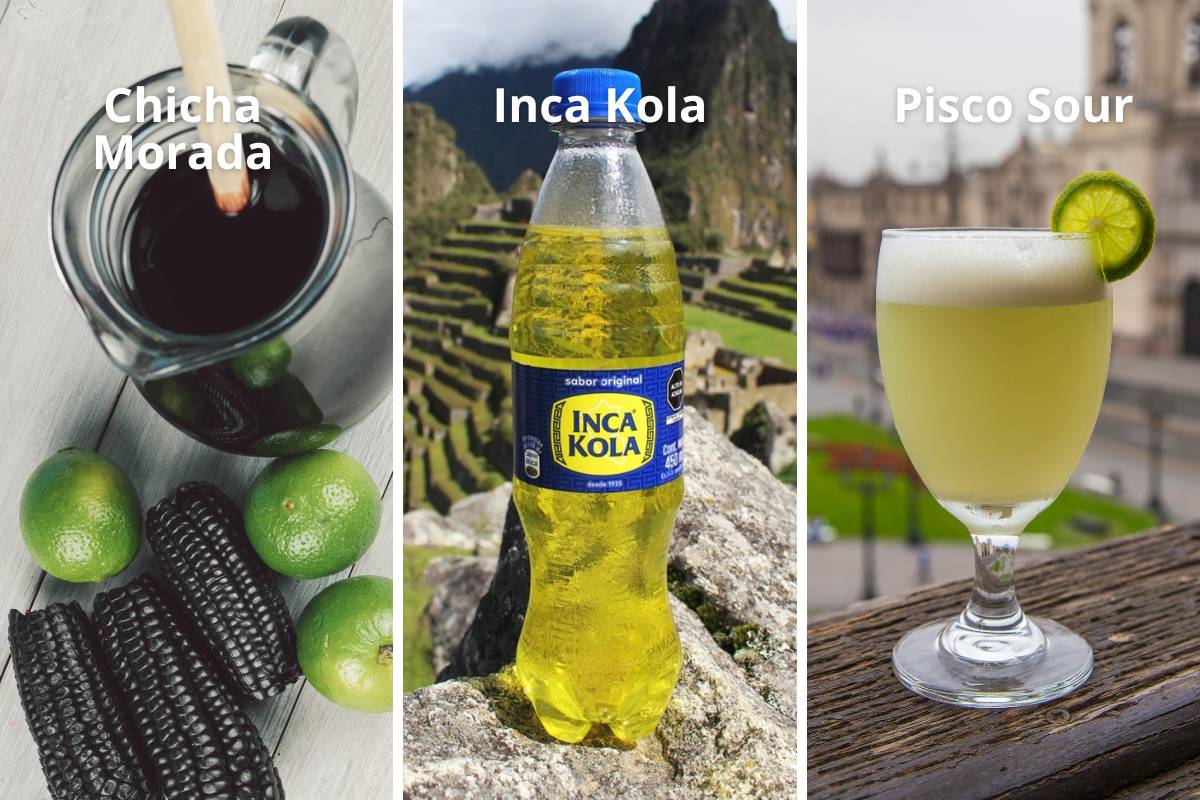
No dining experience in Lima is complete without its traditional drinks, which go with both a family lunch and a night of cocktails. Among the most typical are:
- Chicha morada: A refreshing and non-alcoholic drink made from purple corn boiled with pineapple, cinnamon, cloves, and a touch of lemon. Its deep color and its slightly sweet and spicy flavor make it the perfect match for spicy dishes like aji de gallina. It is served in almost any restaurant, from the simplest to fine dining ones.
- Inca Kola: The national soda of Peru, golden in color and with a sweet flavor that reminds you of lemongrass. It is one of the few local brands that has managed to beat Coca-Cola in sales within its own country and for many Peruvians, it is as much a part of the meal as rice. Try it with a lomo saltado or a chifa dish; the sweet-and-salty contrast is part of the experience.
- Pisco Sour: The flagship cocktail of Peru, made with pisco, lemon juice, simple syrup, egg white, and a few drops of Angostura bitters. Its foamy texture and its balance between sour and sweet have made it a national symbol, with its own date on the calendar: the first Saturday of February is celebrated as Pisco Sour Day. It is recommended to try it in a good cocktail bar in Miraflores or Barranco, where they usually make it following the classic recipe.
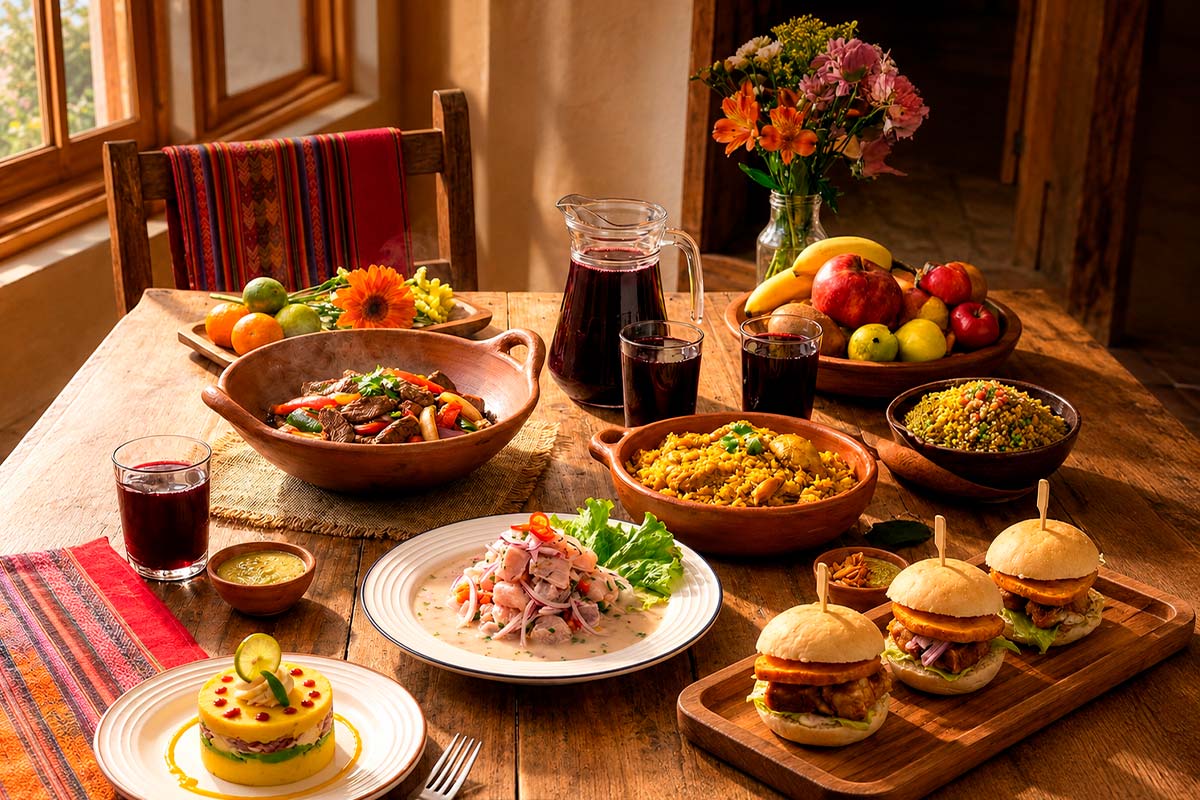
Food experiences to live Lima through its food
If you want to go beyond just sitting down to eat, Lima offers several ways to live its food in a more active and immersive way. One of them is to explore a market like Surquillo or the Central Market; there, stalls with freshly caught fish, exotic fruits rarely seen outside Peru (like lucuma, camu camu or cherimoya), and small family restaurants where the menu of the day is cooked, all live together. In these markets, many chefs in the city buy their ingredients, so walking among the stalls early in the morning gives a real idea of where each dish is born.
On the other hand, for those who want to take away more than just photos, Lima has a wide range of cooking classes, usually focused on ceviche, causa or aji de gallina, and also cocktail classes focused on the pisco sour. These experiences usually include a prior visit to a market to buy the ingredients, followed by the guided preparation of the dish.
If your trip coincides with September, it is worth checking if Mistura (the largest food fair in Latin America) has confirmed dates that year. Since it gathers hundreds of producers, cooks, and food stalls from all over the country in a single place, working almost as an edible summary of the Peruvian culinary diversity.
Practical tips to enjoy the food in Lima
Some useful tips to make the most of the food experience, without surprises or setbacks.
- Reservations
Fine dining restaurants in Lima, especially those that appear on international lists, are usually booked weeks or even months in advance, especially in the high season (June to August). For ceviche places and mid-range restaurants, it is usually not necessary to book, but it is recommended to avoid peak lunch hours, between 1:00 p.m. and 3:00 p.m., when locals go out to eat.
- Budget
Lima offers options for all budgets. A daily menu in a neighborhood restaurant can cost between S/ 15 and S/ 25 and includes an appetizer, a main dish, and a drink. In the mid-range, a lunch or dinner in a ceviche place or traditional restaurant is around S/ 40 and S/ 80 per person. For fine dining experiences, prices can be over S/ 300–S/ 500 per person for tasting menus.
- Meal schedule
Lunch is the most important meal of the day for locals, usually between 1:00 p.m. and 3:00 p.m. Many ceviche places close early in the afternoon, since traditionally fish is served fresher at noon. Dinner is usually lighter and starts after 7:30 p.m.
- Vegetarian options and dietary restrictions
Although Peruvian food has a strong presence of fish and meat, it is more and more common to find vegetarian and vegan options, especially in Miraflores and Barranco. For allergies or intolerances (gluten, seafood, dairy), it is recommended to tell the waiter directly when ordering, since many traditional dishes can be adapted without a problem.
- Food safety
Street food in Lima is, in general, safe if chosen carefully: prefer stands with a high flow of customers (a sign that the ingredients are fresh) and avoid those with little activity. Bringing bottled water and being careful with tap water is a good general practice for any traveler.
Frequently asked questions about food in Lima
- How many days do I need in Lima to enjoy its food?
2 to 3 days is enough to explore the main neighborhoods (Miraflores, Barranco, and Downtown Lima), try the must-have dishes and add an extra experience like a cooking class or a visit to a local market. If your itinerary is tighter, even one well-planned day allows you to cover the essentials.
- Is it safe to eat street food in Lima?
Yes, as long as you choose carefully. It is recommended to go for stalls with a high turnover of customers, as that usually means fresh ingredients. Picarones, anticuchos, and other street snacks are an essential part of the Lima food experience and generally do not represent a risk if these basic safety steps are followed.
- What is the best time to visit Mistura?
Mistura usually takes place in September, although the exact dates change every year. If your trip matches those weeks, it is worth checking the official schedule, as it brings together hundreds of cooks and farmers from all over Peru in a single event.
- Can you combine the food experience of Lima with a trip to Cusco or Machu Picchu?
Yes, it is one of the most recommended combinations for a trip to Peru. The ideal way is to start the itinerary in Lima, spend a few days on its food options, and then continue south to Cusco to explore the Sacred Valley and Machu Picchu, taking advantage of both the food and historical wealth of the country.
- Do I need to make reservations at restaurants in Lima?
It depends on the type of restaurant. Fine dining ones, especially those that appear on international lists, usually require a reservation weeks or months in advance. Cevicherias and mid-range restaurants, on the other hand, generally do not need a reservation, although it is a good idea to avoid peak lunch hours.
- What are the dishes that a vegetarian can enjoy in Lima?
Although Peruvian food has a strong presence of fish and meat, dishes like causa (avocado or vegetable version), certain preparations of papa a la huancaina, and a growing number of vegetarian and vegan restaurants in Miraflores and Barranco make it possible to enjoy Lima's food without any problems.
Where to go next: from Lima to Machu Picchu
After exploring the flavors of Lima, the next natural step in any trip to Peru is heading south, where another equally fascinating part of the country awaits you: the historic city of Cusco, ancient capital of the Inca empire and starting point to explore its surroundings.
From there, the Sacred Valley of the Incas offers colorful markets, farming terraces, and towns that keep ancient traditions, in addition to its own local food options with Andean products like quinoa, giant Cusco corn, and a variety of native potatoes that are rarely found outside the region.
And if your trip includes one of the most sought-after experiences in the country, the Inca Trail to Machu Picchu will take you through Andean landscapes to the Inca citadel, closing the circle between the food wealth of the coast and the historical greatness of the mountains.
If you are planning to put together a complete itinerary that combines Lima with these destinations, you can check our travel packages to Peru to find the option that best fits your time and budget.

 +51 84 217 551
 +51 997 434 941
 Av Tupac Amaru PP-10B, Santiago, Cusco, Peru
  info@incatrailmachu.com
 www.incatrailmachu.com


