
Machu Picchu is an ancient Inca citadel located in the Cusco region, Peru, at 2,490 meters of altitude, right at the edge of the Andean jungle. Known worldwide as "The Lost City of the Incas", it was declared a World Heritage Site by UNESCO in 1983 and chosen as one of the New Seven Wonders of the World in 2007. You get there mainly by train from Cusco or Ollantaytambo to Aguas Calientes, or through the Inca Trail and other multi-day trekking routes. It is the most visited tourist destination in Peru and one of the most important archaeological ruins in Peru. In this guide you will find everything you need to plan your trip: how to buy tickets and passes to Machu Picchu, the different routes to get there (including the classic Inca Trail), the best time to visit it, and practical tips to make the most of your time in the sanctuary.
In general, if you are a Latin American, North American, or European citizen, you will not need a tourist visa. Mercosur citizens can enter Peru by showing only their ID card or a valid passport.
If you come from a country outside these agreements, you will need a valid passport (valid for at least 6 months) and, depending on your nationality, a visa processed beforehand at a Peruvian consulate. Upon entering, the immigration officer allows your stay as a tourist, usually for up to 90 days, recorded digitally on the Andean Migration Card (TAM); the passport is no longer physically stamped. If you need to stay longer, you can ask for an extension at the Digital Immigration Agency before your time expires. If you are a minor, you must travel in the company of your parents. If you are a parent and travel with children, you will need the marriage certificate and the child's birth certificate.
If you want more information. visit the https://pe.usembassy.gov/visas/.
The most relevant health risk for most travelers is not food or street safety, but the altitude. Cusco is located at 3,400 meters above sea level, and it is common to experience altitude sickness (headache, nausea, tiredness, or dizziness) during the first 24 to 48 hours.
To prevent it: arrive in Cusco with at least one day of acclimatization before any demanding activity, avoid alcohol on the first day, stay hydrated, and consider coca tea or altitude pills if your doctor recommends it. Machu Picchu, on the other hand, is at a lower altitude (2,490 m), so the greatest altitude risk happens in Cusco, not in the sanctuary itself.
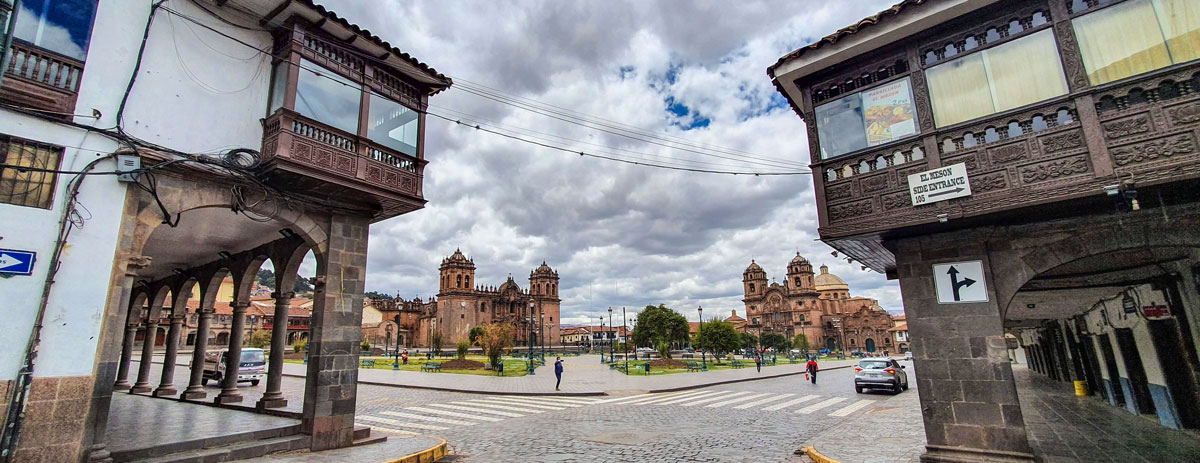
Choosing where to stay depends on your itinerary: if you prefer to wake up early and avoid the crowds, if you come on an early train from the Sacred Valley, or if you visit Machu Picchu as a one-day trip from Cusco. These are the three main options.
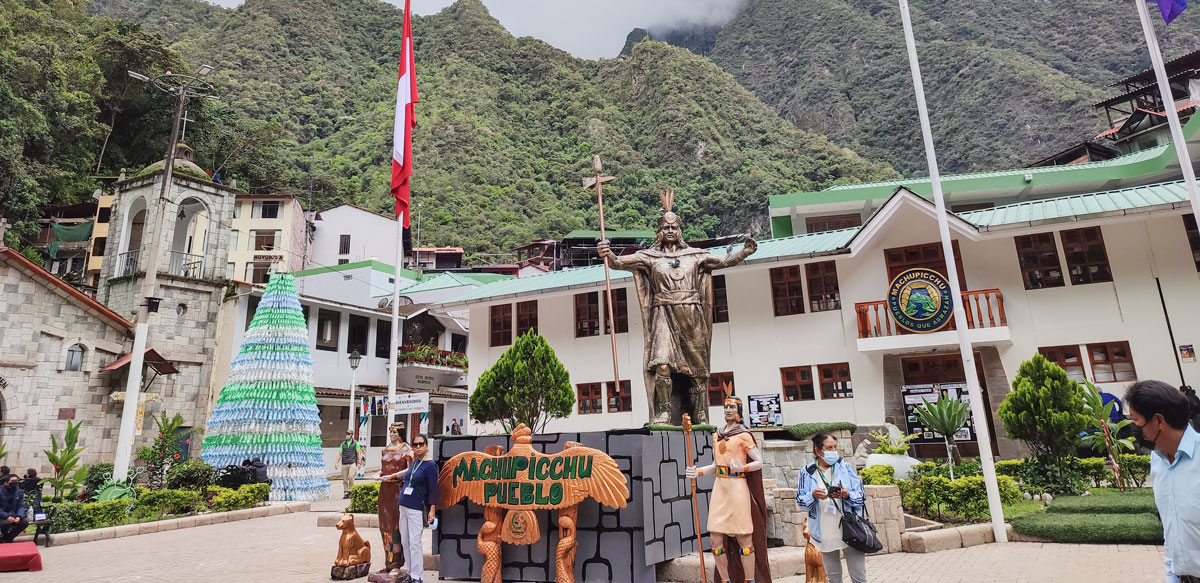
In Cusco, at 3,400 meters above sea level, temperatures are cold all year round, regardless of the season, do not expect a "warm summer" like in other parts of South America. The rainy season, with stronger and more frequent rains, goes from December to February.
Even in the dry months, the nights are cold and the sun during the day can feel strong because of the altitude, so always bring warm clothes, sunscreen and, if you prefer, coca pills or cocoa paste (available in local pharmacies) to help with getting used to the altitude.
Machu Picchu, at 2,490 meters above sea level, is located on the edge of the jungle, where the Andean mountain meets the tropical plants. This makes its weather notably milder and wetter than that of Cusco. During the dry season, daytime temperatures range between 12°C and 24°C, while nights can drop to cooler temperatures. Rain can appear in any month of the year, even in the dry season, so bringing a light raincoat is recommended no matter when you travel.
Seasons in Machu Picchu
| Season | Months | What to expect |
|---|---|---|
| High | June, August | Less rain, clearer skies, more visitors |
| Mid-season | April - May, September - October | Good weather, fewer crowds than in high season |
| Low | November - March | Higher chance of rain, greener landscapes, fewer tourists |
For a month-by-month view with specific temperatures and chances of rain, check our guide to Machu Picchu temperature by month.
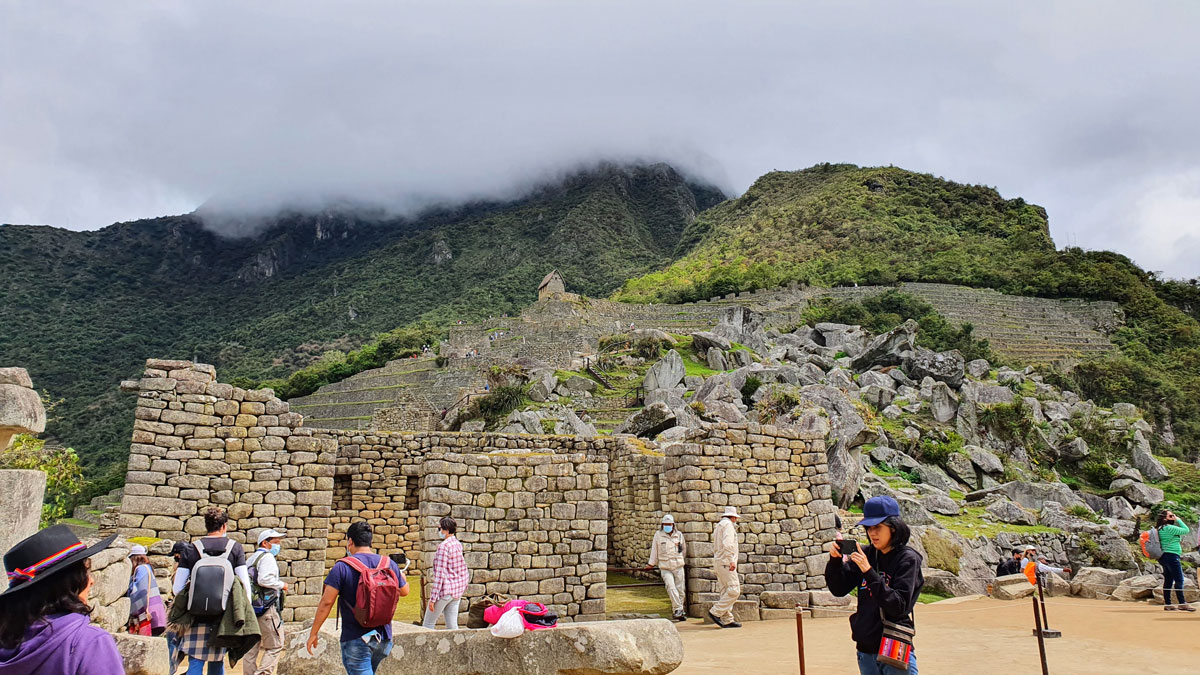
It is common to feel the effects of the lack of oxygen in Cusco due to the altitude (3,400 meters above sea level), which can triple the usual physical effort, do not count on your normal stamina, since it will be lowered during the first days. The most common symptoms of altitude sickness include headache, tiredness, slower digestion, and insomnia or interrupted sleep (opposite to what many believe, the altitude makes deep rest harder, it does not help it). The best thing to do is to stay calm and rest on the first day to get used to the altitude before starting hard physical activities.
Machu Picchu, on the other hand, is at 2,490 meters above sea level (almost 1,000 meters lower than Cusco) so altitude symptoms are much less frequent there. If you already got used to the altitude in Cusco or the Sacred Valley before arriving at the sanctuary, it is very unlikely that you will feel altitude sickness during the visit.
To prevent altitude sickness, specific pills are easily found in any pharmacy in Cusco, and coca tea or coca candies also help to relieve mild symptoms. As a preventive medical option, many travelers choose acetazolamide (known commercially as Diamox), a medicine that helps speed up getting used to the altitude; it is recommended to ask a doctor before the trip to see if it is right for you and how far in advance it should be taken.
RELATED:
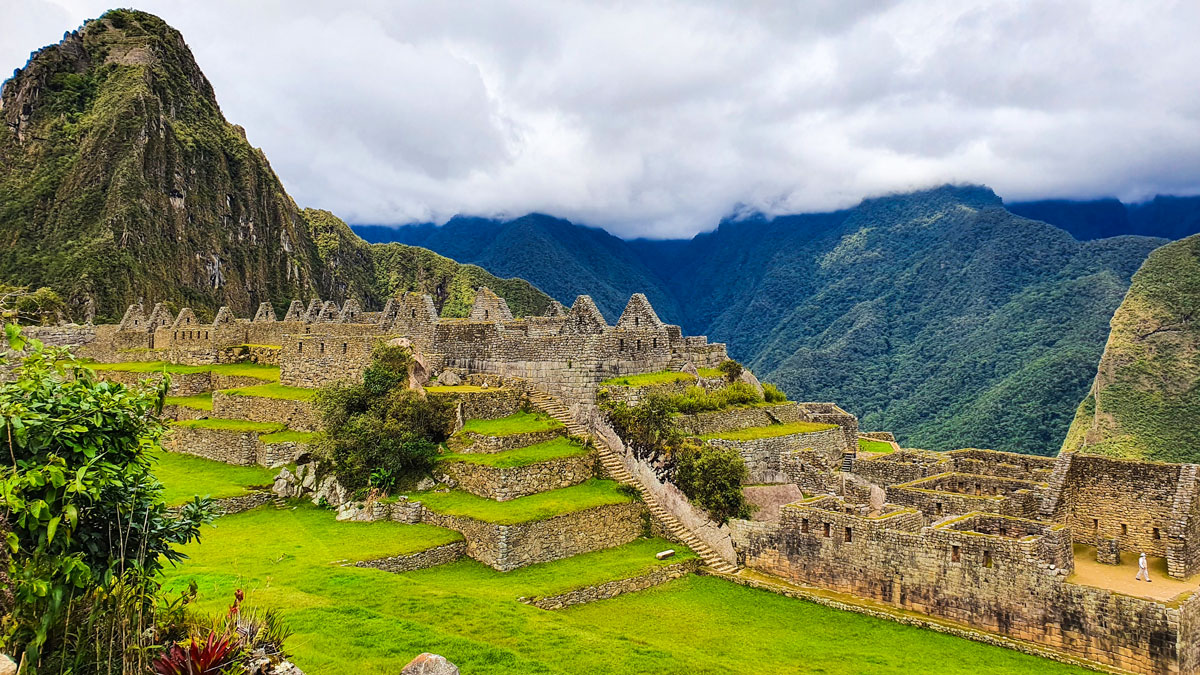
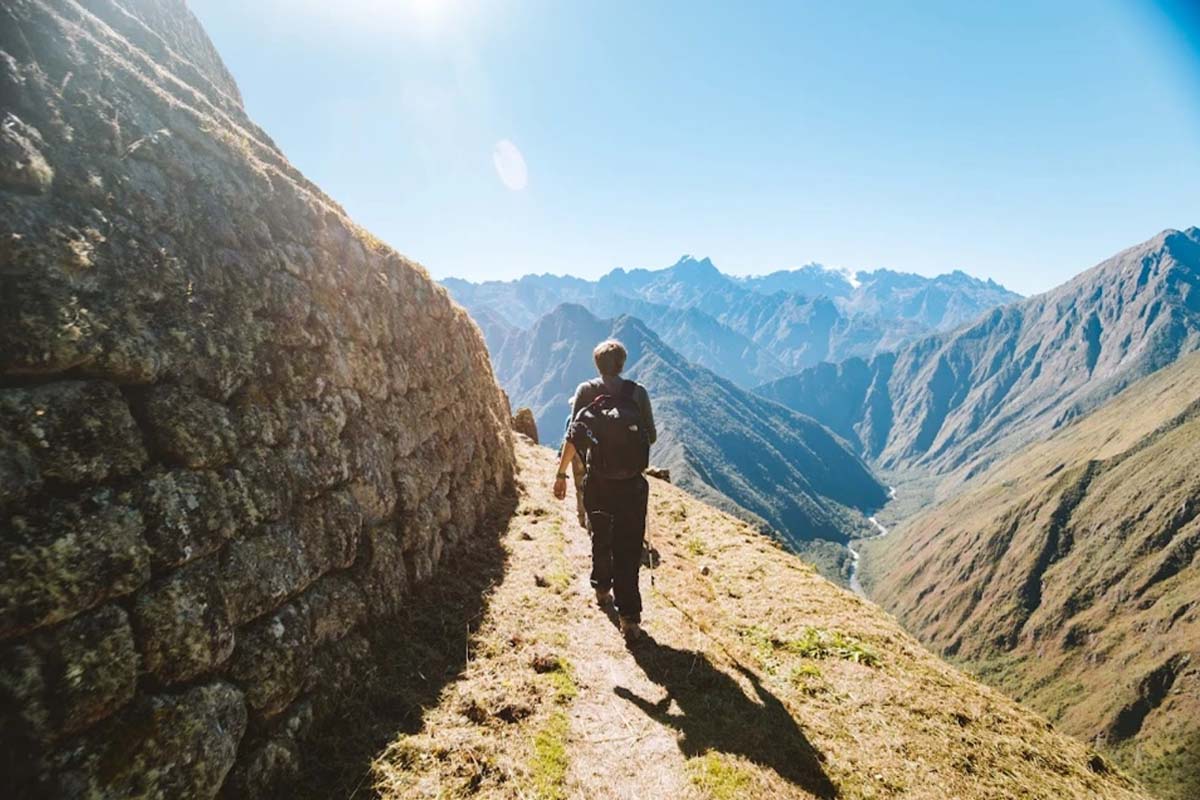
Hiking the Inca Trail is not required to get to Machu Picchu. It is a trekking route that can only be accessed through authorized travel agencies, with a daily limit of 500 people (including guides and porters, so the real spots for tourists are even fewer). Because of this high demand, it is recommended to book 3 to 6 months in advance, especially to travel in the high season (June-August).
There are two main options: the classic 4 day trek (the most complete one, with many archaeological sites on the way) and a short 2-day version, easier for those who have less time or are looking for a moderate physical challenge. Both routes end at Intipunku (the "Sun Gate"), one of the entrances to the citadel, with a wide view of Machu Picchu at sunrise.
It is important to have a good physical condition and get used to the altitude for at least 1-2 days in Cusco or the Sacred Valley before starting the walk. You do not need an outstanding athletic shape, but you do need basic preparation.
If you are looking for choices with less demand for spots or a different level of difficulty, there are other trekking routes to Machu Picchu:
RELATED:
It is not necessary to hike the Inca Trail to visit Machu Picchu. These are the ways to get there:
It is the most used option. You can board from the Poroy station (30 minutes from Cusco, full trip of ~3.5 hours to Aguas Calientes) or from Ollantaytambo (closer, ~1.5-2 hours of travel). Prices change a lot depending on the category:
Note: during the rainy season (January-March), the service from Poroy is usually replaced by a bimodal service (bus to Ollantaytambo + train).
Take a bus or combi to Ollantaytambo (approx. $5-10 USD) and from there board the train to Aguas Calientes. This combination lowers the cost of the train part, since the rates from Ollantaytambo are lower than those departing directly from Cusco or Poroy.
The favorite option of backpackers looking to save the cost of the train. You travel by bus or combi to Santa Teresa (or directly to the Hydroelectric), and from there you walk around 2-3 hours to Aguas Calientes following the train tracks. It is cheaper than the Inca Trail and significantly less physically demanding.
Important:Km 82 is the official starting point of the classic Inca Trail, and access is strictly limited to groups with a permit from the Ministry of Culture, obtained through an authorized agency. It is not possible to get off there as an independent traveler and walk on your own, that option does not exist without the proper permit, and the checkpoints along the route verify the documents of each trekker.
RELATED:

The access system to Machu Picchu is divided into circuits, each with a specific route and length. These are the main ones:
| Circuit | What it includes | Approx. duration |
|---|---|---|
| Circuit 1 | Classic view from the farming sector, religious temples; option to hike up Machu Picchu Mountain | 2h30m (without mountain) |
| Circuit 2 | The most complete: urban sector, Temple of the Sun, Main Square, Sacred Rock | 2 - 3 hours |
| Circuit 3 | Lower sector of the citadel; required route for those who hike up Huayna Picchu or Huchuy Picchu | 1 - 1.5 hours |
Huayna Picchu, it requires a separate ticket (Circuit 3A) and has a daily limit of 350 people, divided into two time slots: 7:00 a.m. and 10:00 a.m. (175 tickets each). It is the ticket that sells out the fastest, it is recommended to buy it 2-3 months in advance. There are also the options of Machu Picchu Mountain (limit of 800 people/day) and Huchuy Picchu, with less demand.
Entrance times: the entrance to the citadel is done by specific time slots between 6:00 a.m. and 3:00 p.m., shown on the ticket. There is a grace period of 30 minutes (low season) or 45 minutes (high season) for the main entrance — but if your ticket includes a mountain (Huayna Picchu, Machu Picchu, or Huchuy Picchu), there is no grace period at the second checkpoint.
Prices (estimated, according to nationality):
From Aguas Calientes, you go up to the citadel in the official Consettur bus (about 25 minutes, ~$24 USD round trip) or walking (not recommended if you also plan to climb Huayna Picchu, since it uses up energy needed for the hike).
RELATED:
If you are a student, you should take the Student card that allows you to have discounts on the Machu Picchu tickets (it costs U$ 31) at half price, as well as the tourist ticket in Cusco (which costs around 18 dollars).
STEP 1: In CuscoTake a bus to Quillabamba and get off at the town of Santa Maria. During the trip, the plants change slowly from mountains to jungle.
|
STEP 2: In Santa Maria (1,280 meters above sea level)Warm weather by day and mild by night. From here, a shared taxi takes the traveler on a safe road to Santa Teresa, with a view of the Salkantay on the way.
|
STEP 3: In Santa Teresa (1,600 meters above sea level)Ideal to rest and visit the Cocalmayo Hot Springs, much less crowded than the ones in Aguas Calientes. From here you reach the Hydroelectric plant on foot or by shared taxi.
|
STEP 4: At the Hydroelectric plantFrom here, most travelers walk to Aguas Calientes following the train tracks, a flat part, well marked and without the need for a guide. This walk does not require a special permit, but when walking next to an active track it is important to always stay on the side of the rails, avoid walking at night (there are parts without lights), and pay attention to the train whistle, as it runs regularly through this section. As another option, you can take the short train to Aguas Calientes (about 30 minutes).
|
STEP 5: In Aguas Calientes (Machu Picchu Town)From here you take the official Consettur bus to the citadel. You can buy a round trip ticket, one way only, or return only; many prefer to go up by bus and go down walking (it is easier), especially if they also climbed Huayna Picchu.
Aguas Calientes → Machu Picchu: 8-9 km, 25-30 minutes by bus; 1.5-2 hours walking (not recommended if you plan to climb any mountain the same day). |
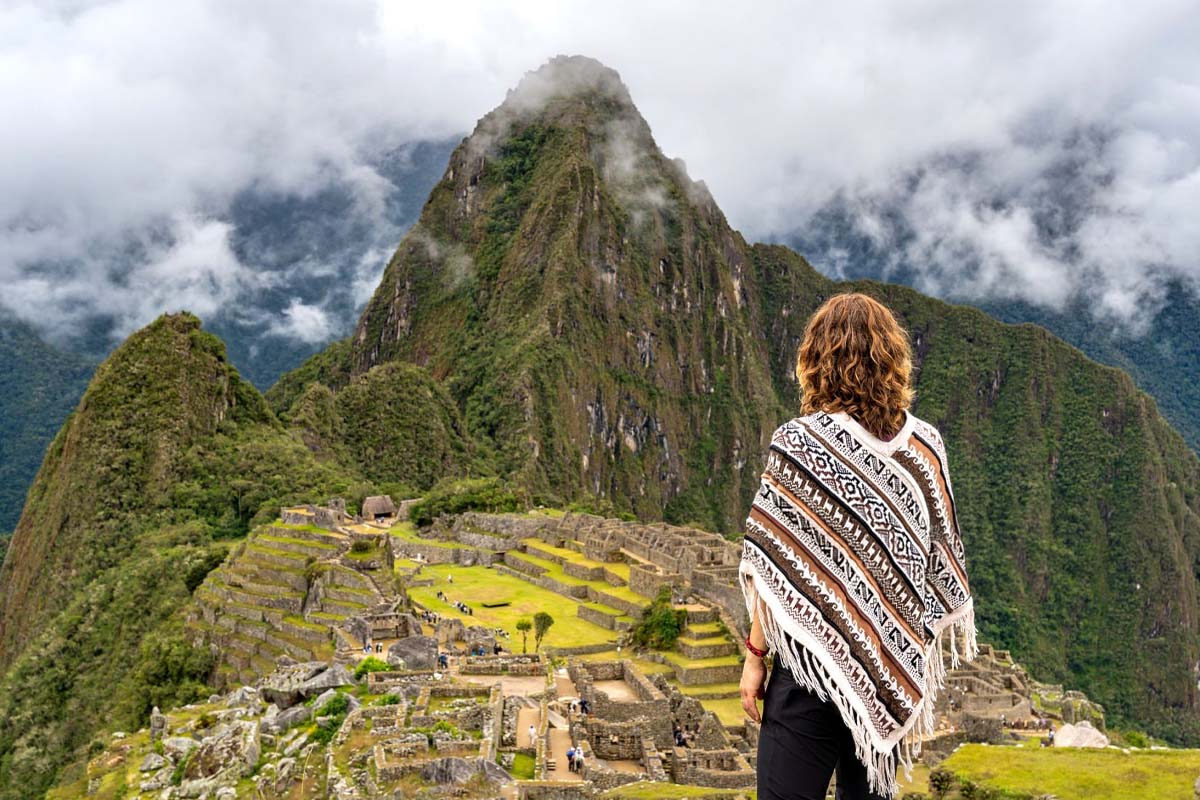
STEP 6: In Machu PicchuAfter touring the citadel, many visitors climb Huayna Picchu, the most iconic mountain of the site and the one that offers the most famous panoramic view of the citadel, although it is not the highest: its top is at 2,720 meters above sea level, while Machu Picchu Mountain reaches 3,082 meters above sea level and offers a wider (though less iconic) view of the valley. For Huayna Picchu you must book your ticket in advance (daily limit of 350 people, divided into two entrance time slots: 7:00 a.m. and 10:00 a.m.).
|
If you prefer to avoid the logistics of buses and shared taxis, this is the most direct and comfortable option:

 +51 84 217 551
 +51 997 434 941
 Av Tupac Amaru PP-10B, Santiago, Cusco, Peru
  info@incatrailmachu.com
 www.incatrailmachu.com


