Write us
Requets information
Inca Trail Machu
The Best Tour Operator to Inca Trail
+51 997 434 941
Resquest information

Peru Travel Guide 2027: Best Places to Visit

Published: 25 January 2023 | Update: 14 July 2026 | Reads: 3066
Home / Travel Blog / Peru Travel Guide 2027: Best Places to Visit
Peru Travel Guide 2027: Best Places to Visit

Peru is a highly visited destination among travelers looking for new experiences, as the country receives more visitors every year drawn by its mix of history, nature and food. With an amazing natural wealth, Peru offers much more than what most short trips can cover.


As a travel guide who has traveled the country from north to south, I know that the question is not so much "What to see in Peru?" but rather "How to organize the time?" so you do not miss the essentials. This updated guide for 2026 is designed exactly for that: to help you prioritize among so many options and understand what to expect from each region before putting together your itinerary.


Below, we present some of the places and activities to do in Peru: from the culinary buzz of Lima and the Andean energy of Cusco, to the majesty of Machu Picchu, the waters of Lake Titicaca, and the volcanic landscapes of Arequipa. You will also find recommendations for outdoor adventures and practical tips on how to move around the country, so that this guide serves as a complete starting point before your trip.


Best way to visit Peru


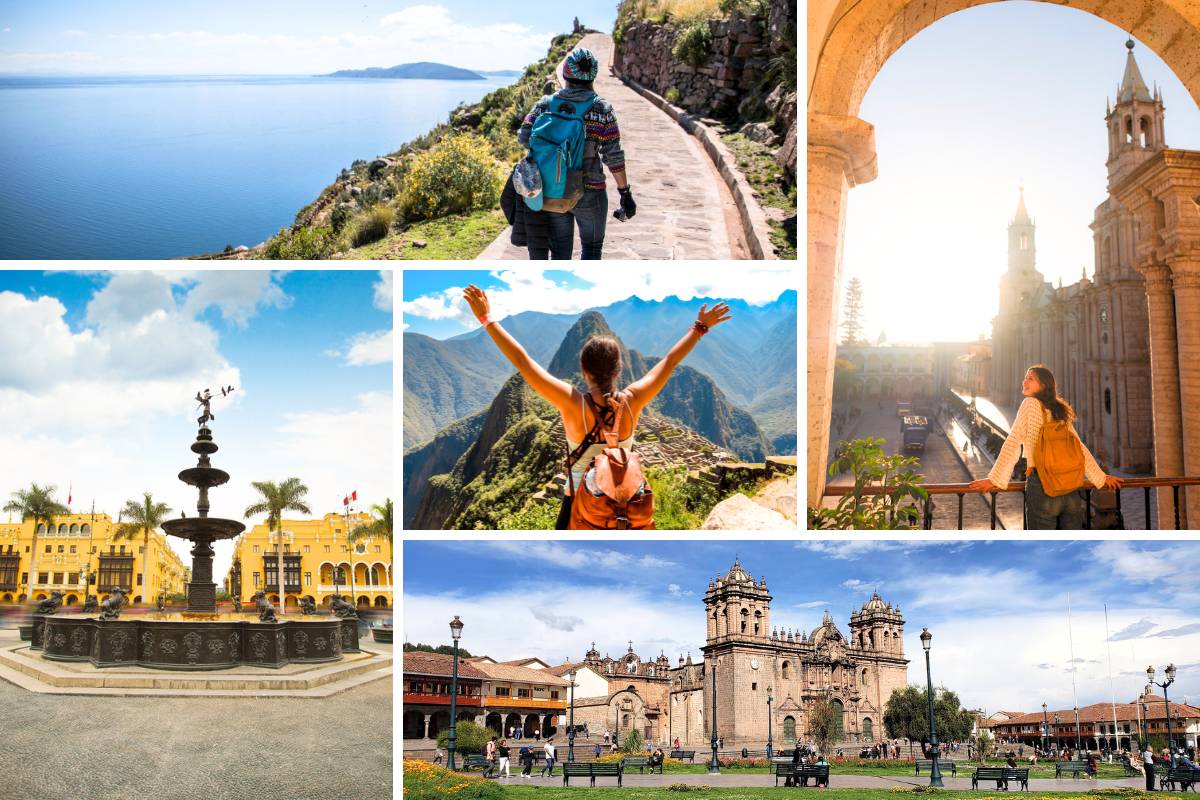
Peru is a dream destination for many. It offers a great variety of places of interest and the chance to get to know the country and its people in a single trip. A classic itinerary goes through five places: Lima, Cusco, Machu Picchu, Lake Titicaca and Arequipa. With two weeks it is possible to cover them all without rushing; with 10 days it is also possible, although the pace is more demanding. Let's get to know these destinations, one by one:

  • The City of Lima, a treasure for those looking for historical sites like the cathedral, the San Lorenzo Fortress, or the Fine Arts Square. It is recommended to spend between 2 and 3 days there before continuing the trip.
  • Another highlight of a trip to Peru is Cusco. Here you will find many ruins of the Inca culture, such as the Sacred Valley of the Incas, the Sacsayhuaman fortress, and the famous Temple of the Sun of Coricancha. It is a good idea to set aside at least 2 days in the city to get used to the altitude before continuing to Machu Picchu.
  • An unforgettable experience is, without a doubt, visiting Machu Picchu. From Cusco, you can take the train to Aguas Calientes and enjoy amazing views. A full day is usually enough for the visit, although many travelers prefer to spend the night in the town to avoid waking up too early.
  • From Cusco it is also worth visiting Puno, on the shores of Lake Titicaca. The bus ride takes about 6 hours. There you can visit, among other things, the Uros islands and learn more about this interesting people who have lived in the area for centuries. 1 or 2 days is enough to get to know the essentials.
  • Finally, a visit to Arequipa, in the south of Peru, is recommended. The city, located at the foot of the El Misti volcano, impresses with its beautiful colonial houses and churches, as well as the picturesque Main Square. Two days are enough to explore the historic center calmly.

Regarding the budget, a two-week trip through these five stops (mid-range lodging, internal transport, and tickets included) usually ranges between 1,200 and 2,000 USD per person, not counting international flights. Traveling with more flexible dates and simpler lodging, it is possible to lower it without missing the essentials.
Best way to visit Peru


The Best Adventures in Peru

Flying over the Nazca Lines

One of the great mysteries of South America is the ancient and puzzling lines carved into the desert sands along the southern coast of Peru. There are giant trapezoids and triangles, recognizable figures of animals and plants, and more than 10,000 lines that can only be seen from the air. Viewed as signs from the gods, farming and star calendars, or even alien airports, the Nazca lines were built between 300 B.C. and 700 A.D.


Nowadays, small planes fly over the area for about 30 minutes, doing dips and glides so that passengers can look out the window and see these mysterious figures. Furthermore, the flight costs around 80 to 120 USD per person, depending on the airline and the season.
Peru tours from Lima


Paracas and Huacachina

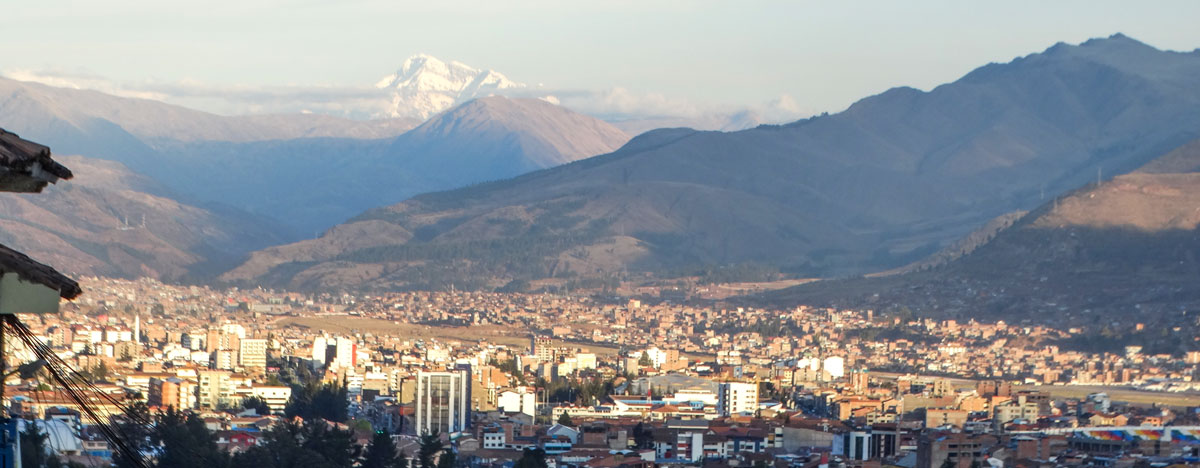
From Nazca, it takes less than 7 hours by bus to Lima. However, it is worth making some stops. On one hand, halfway there is the Huacachina oasis, specially known for sandboarding and dune buggy rides on the sand.


On the other hand, just two hours from Huacachina, right on the Pacific Ocean, is the Paracas peninsula. Here you will not only be able to fully relax and wrap up your trip to Peru, but it is also worth visiting the Ballestas Islands on a boat tour of about 2 hours.


They are casually known as "the Peruvian Galapagos" because of their rich sea life, even though they are not part of the Galapagos islands and have no geographic link to it. There, flocks of Peruvian boobies and Chilean pelicans play on the rocks, sea lions and seals splash on the shore and Humboldt penguins walk around the small hills.


RELATED:ONE-DAY TRIP TO HUACACHINA FROM LIMA

Peru trip advisor


Visiting Machu Picchu

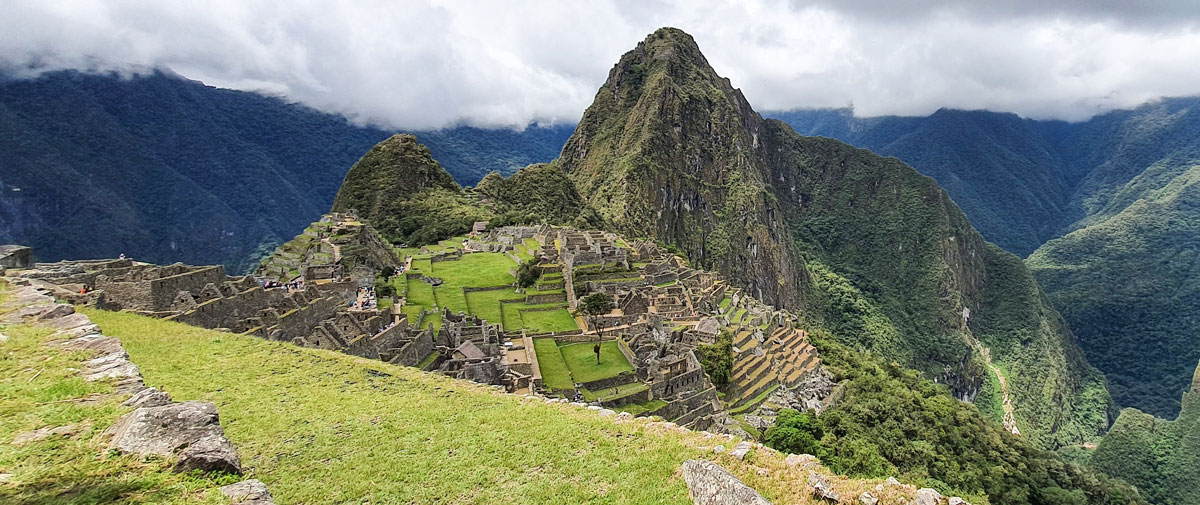
No matter how you get there, whether walking the legendary Inca Trail or riding one of the most scenic trains in South America, Machu Picchu stands as one of the most amazing sites on the planet. The ruins of the legendary "lost city of the Incas" rise grandly among the towering Andes, wrapped in clouds.


This ceremonial and farming center, which was never discovered or looted by the Spanish, dates back to the mid-15th century, but it looks even older. Exploring the site is a thrilling experience, especially at dawn, when the rays of light glide over the peaks.
Best adventures in Peru


Hiking the Inca Trail

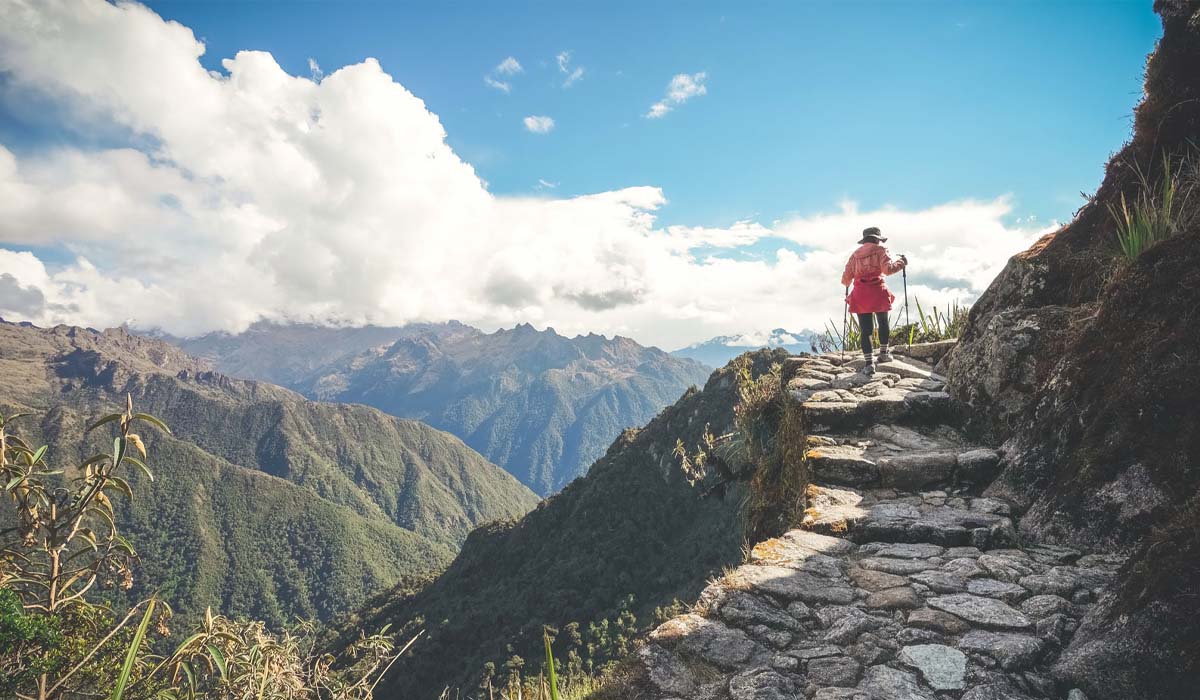
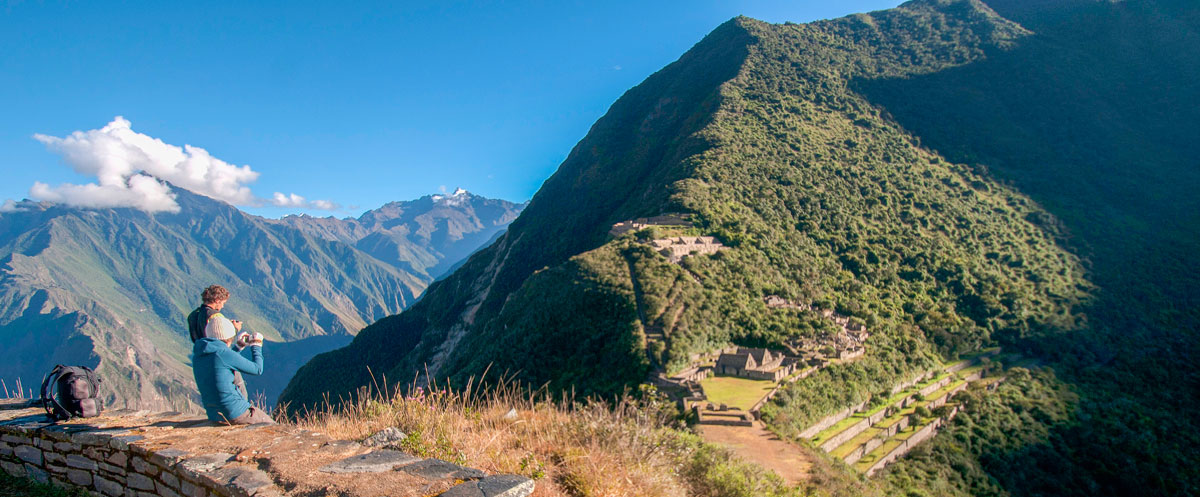
The legendary trail to Machu Picchu is one of the most rewarding adventures in the world. This 4-day hike crosses stunning mountain passes in the Andes and goes through some of the greatest natural sights in Peru, including dozens of Inca ruins, thick cloud forests, and mountain landscapes.


Where does the hike start? From Cusco, you travel to KM 82 (Piscacucho), the starting point for the Inca Trail. On the way, you go through the Sacred Valley of the Incas, where you can see towns, valleys and mountains.


Trekking alternatives

  • For those visiting Peru for the first time, we recommend the Lares trek: it starts in the town of Lares, crosses the Ipsaycocha Pass (4450 m) and ends in Ollantaytambo, combining Andean landscapes with meetings with local communities.
  • If you already know the area or have less time, the short Inca Trail is a great choice: it starts at kilometer 104 of the train track and you walk all the way to Machu Picchu in a single day.

RELATED: ALTERNATIVE ROUTES TO MACHU PICCHU
Hiking the Inca Trail


Sailing on Lake Titicaca

Lake Titicaca, the highest navigable body of water in the world, stretches across the border between Peru and Bolivia. To get there, the starting point is Puno, which is reached by bus from Cusco (about 6 hours) or by plane, followed by a car ride of about 45 minutes to the city.


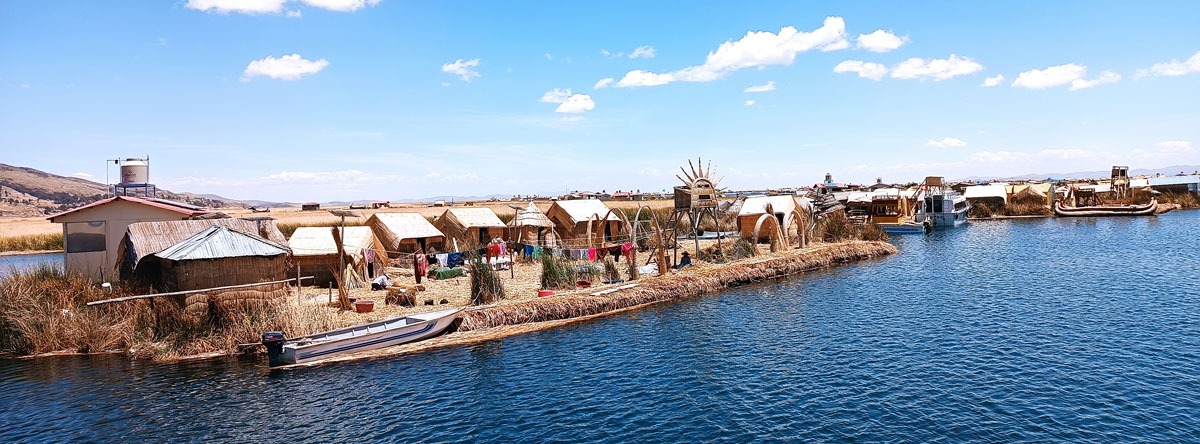
For the locals, the lake is a mysterious and sacred place. A one-hour boat ride from Puno takes you to the floating islands of the Uros, where visitors have the unique chance to discover ancient cultures (Amantani and Taquile) and stay with a local family.
Best way to visit Peru


The flight of the condors in the Colca Canyon

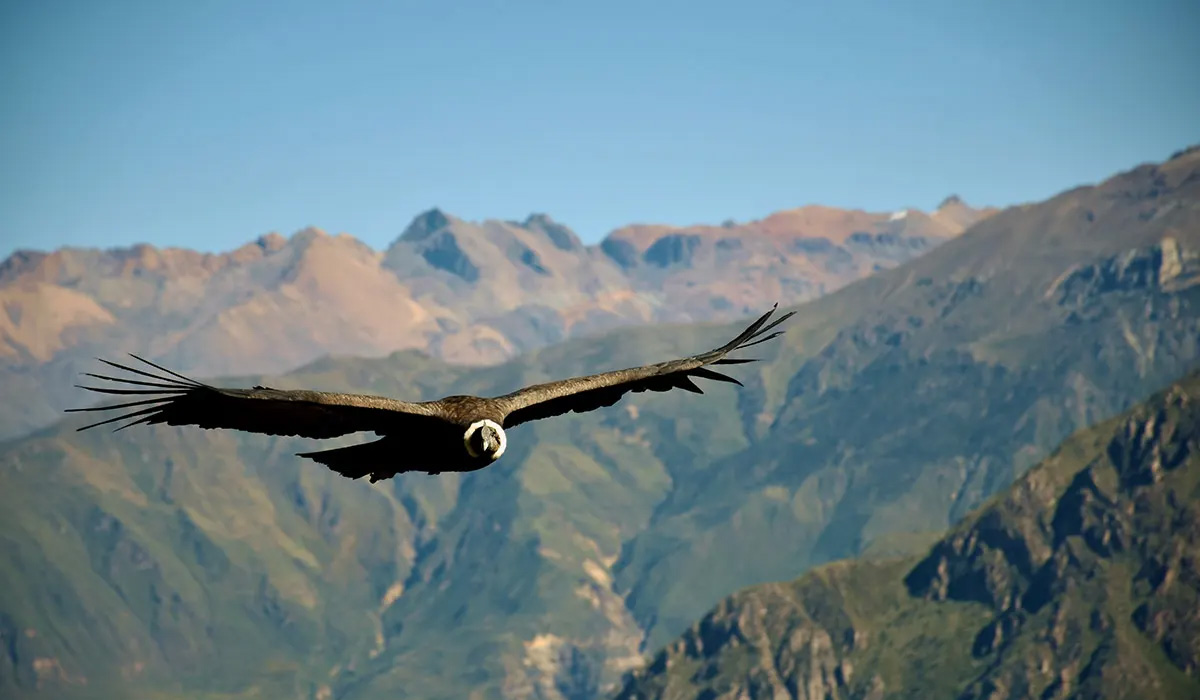
The Colca Canyon, the second deepest canyon in the world (twice as deep as the Grand Canyon), is the best place in South America to watch giant Andean condors, majestic birds with a wingspan of up to 3.5 m. From an impressive viewpoint almost 1,200 m above the river, you can watch how the condors appear, circle slowly, and gradually gain height with each pass, until they glide silently down the river. Seeing them fly so close, almost without moving their wings, is an amazing sight that few places in the world can offer.
Flight of the condors


Going into the Peruvian jungle

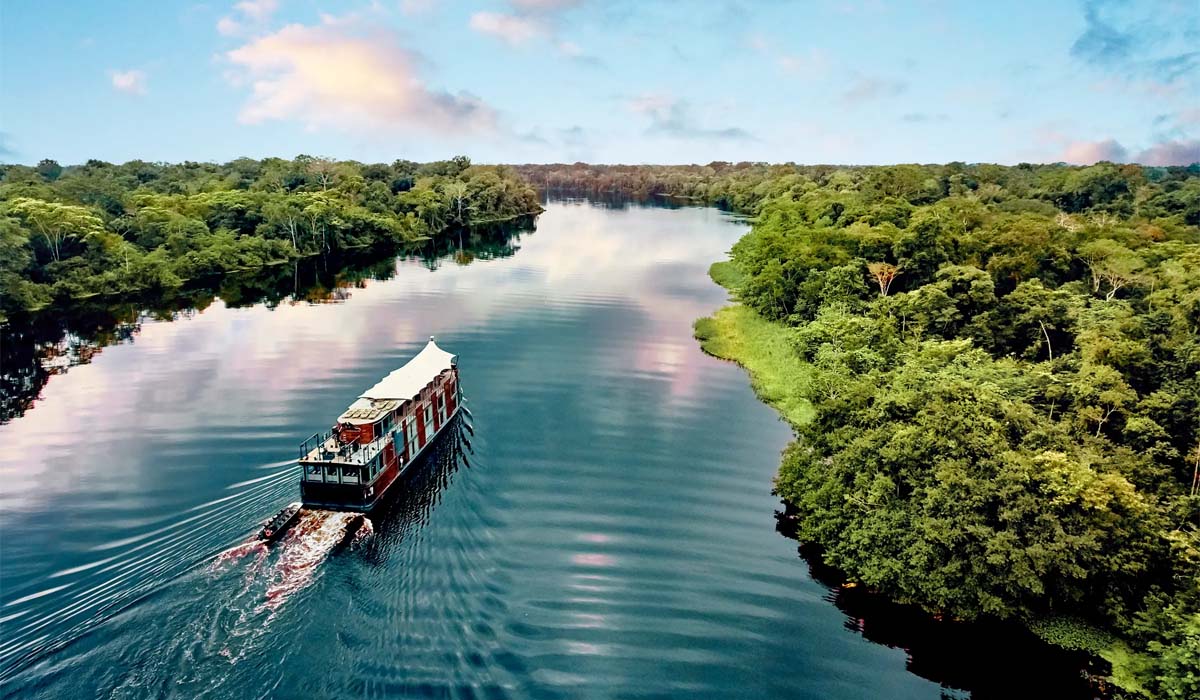
No matter how you do it and the area of the Amazon jungle you choose, the vast lands of the Peruvian jungle are a must-see. The northern jungle is easier to reach from Iquitos, while the southern Amazon, which is home to two amazing national reserves, Manu and Tambopata, is easy to reach from Cusco and Puerto Maldonado.


A 3 to 4 day tour is usually enough to go deep into the jungle and have a good chance of seeing wildlife like monkeys, caimans, river turtles, pink dolphins, and, with some luck, macaws and other exotic birds at their clay licks. You can take a river cruise, stay in a rustic lodge in the jungle, or explore nature with a private guide, camping and fishing during the trip.
Peruvian jungle


How to get around Peru

Peru is a large country (more than three times the size of Spain), so understanding the transport options is key to organizing the itinerary well. In general, the best combination is a plane for long distances and a bus or train for short trips between cities close to each other.

  • Flights
    Most travelers use the plane to connect Lima with Cusco, Arequipa, or Puerto Maldonado, since by land these trips can take over 15 to 20 hours. A flight from Lima to Cusco takes about 1 hour and 20 minutes and usually costs between 50 and 120 USD each way, depending on how far in advance it is bought. Latam, Sky Airline and JetSmart are the airlines that cover most of these routes.
  • Buses
    Peru has a comfortable and relatively cheap network of interprovincial buses. The companies focus on long trips. Some reference times: Lima-Nazca (7 hours), Nazca-Arequipa (9-10 hours), Cusco-Puno (6 hours) and Arequipa-Puno (5-6 hours). Prices change between 25 and 60 USD depending on the company and the comfort level of the seat.
  • Trains
    The train is, above all, the most common way to get to Machu Picchu. From Cusco (Poroy station) or from Ollantaytambo, PeruRail and IncaRail operate several daily services to Aguas Calientes, with trips between 3 and 4 hours depending on the starting point. Prices range between 70 and 150 USD each way depending on the service category.

About transport within the cities

Inside Lima, Cusco or Arequipa, taxis and apps like Uber or Cabify are the most practical option to move around safely, with fares generally between 3 and 10 USD for short city trips. On the other hand, for one-day trips (like to Chinchero or the Sacred Valley from Cusco), the usual thing to do is to hire an organized tour or a private transport. This is because the local public transport can be slow and less predictable for someone who does not know the area well.


Furthermore, with this mix of flights, buses and trains, it is possible to link the main destinations of this guide without problems (Lima, Cusco, Machu Picchu, Lake Titicaca and Arequipa), adjusting the budget and times according to the preferences of each traveler.
Travelling around Peru


Frequently asked questions about traveling to Peru

  • How many days are needed to see the best of Peru?
    With 10 to 14 days, it is possible to calmly explore the essential destinations: Lima, Cusco, Machu Picchu, Lake Titicaca and Arequipa. However, if you have less time, one week is enough to cover Lima, Cusco and Machu Picchu, leaving Titicaca, and Arequipa for a future trip. For those who want to add the Amazon or longer treks like the full Inca Trail, they should think about 16 to 18 days.

  • Is it necessary to book the Inca Trail in advance?
    Yes, and with plenty of time. The classic 4 day Inca Trail has a daily limit set by the Peruvian government, and permits usually sell out 2 to 4 months in advance, especially between May and September (dry and high season). Alternatively, if you cannot get a spot, options like the Lares trek or the short Inca Trail usually have more availability and can be booked with less notice.

  • Is it safe to travel to Peru?
    In general, yes, following the usual safety measures of any tourist destination: avoid showing valuable items, use reliable transport, and be alert in bus stations and very crowded areas. Also, the main tourist routes (Lima, Cusco, Sacred Valley, Machu Picchu, Arequipa and Puno) receive millions of visitors a year and have a solid tourist infrastructure. As in any trip, it is a good idea to stay informed about the specific situation of each area before leaving, especially if you plan less standard routes.

  • What is the best route if it is my first time in Peru?
    The classic route (Lima, Cusco, Machu Picchu, Lake Titicaca and Arequipa) is the best option for a first trip, as it combines the main historical, cultural, and natural attractions of the country without needing too much extra logistics. Regarding trekking, the Lares trek is usually recommended over the full Inca Trail on a first visit, since it requires booking with less notice and is equally amazing.

  • What is the best time to travel to Peru?
    The dry season, between May and September, is the most recommended for trekking and visiting Machu Picchu and Cusco, offering sunny days and cold nights. On the other hand, between October and April there is more rain in the mountains, although it is still possible to travel. This time can be a good option for those looking for fewer crowds and better prices.

  • How much budget should be calculated for a trip to Peru?
    As a guide, a two-week trip through the main destinations, with mid-range lodging and internal transport included, usually ranges between 1,200 and 2,000 USD per person, not counting international flights. Finally, the budget changes depending on the level of lodging, whether guided tours or multi-day treks are included, and the season in which you travel.


The best tours you can take in Peru

If you prefer to leave the logistics in the hands of experts, these are some of the most popular options to explore Peru from Lima:

  • Trips to Machu Picchu from Lima (2 days/1 night): Ideal for those who have little time, but do not want to miss Machu Picchu. It includes transfers, train, and entrance to the Inca citadel, leaving and returning to Lima in less than 48 hours.
  • From Lima to the Inca Trail (9 days/8 nights): It combines the classic 4-day hike on the Inca Trail with time in Cusco and the Sacred Valley, designed for those who want to experience the full trekking without giving up the cultural part.
  • Tour on the Inca Trail and the Amazon (11 days/10 nights): It adds several days in the Amazon jungle to the Inca Trail experience, perfect for those looking to combine mountain and jungle in a single trip.
  • Trips and adventures in Peru (18 days/17 nights): The most complete itinerary, which goes through a large part of the destinations mentioned in this guide: Lima, Cusco, Machu Picchu, Lake Titicaca, and Arequipa, with enough time for several adventure activities.
  • From Machu Picchu to Lake Titicaca (13 days/12 nights): Designed for those who want to go deeper into both the Inca legacy and the culture of the highland communities, joining two of the most famous destinations in southern Peru.


Most Popular Trips

Inca Trail Machu
Enjoy the best Inca Trails to Machu Picchu
Inca Trail Machu is sustainable tourism, experienced, professional, and dynamic adventure travel tour operator founded in 2017.
Phone +51 84 217 551
WhatsApp +51 997 434 941
Address Av Tupac Amaru PP-10B, Santiago, Cusco, Peru
emailinfo@incatrailmachu.com
Websitewww.incatrailmachu.com