
The city of Cusco is defined by its historical legacy and its architecture, visible both in the streets of the historical center and in the archaeological complexes that surround it. This region is a tangible sample of Inca engineering that managed to master stone in complex geographical environments, as seen in monumental sites like Sacsayhuaman, Ollantaytambo, Choquequirao and the iconic Machu Picchu.
Beyond archaeology, the destination offers a direct immersion in ancient customs, textiles, and gastronomy, elements that are especially perceived in the towns of the Sacred Valley. The cultural richness is complemented by a diverse natural environment, ideal for outdoor activities and getting to know the Andean lifestyle up close.
For those looking to explore the different attractions that the imperial city has to offer, then in this travel guide we present a selection of the best day trips from Cusco. These are designed to allow the traveler to discover the landscape and cultural diversity of the Andes, returning to the city the same day.
The strategic location of the city allows access to a wide variety of tourist destinations in a few hours, making it easy to return to the hotel on the same day. This selection compiles the experiences most requested by travelers in this 2026, ranging from highly relevant archaeological sites to high mountain natural attractions.
Below, we detail the most efficient itineraries to visit the Machu Picchu citadel, explore the agricultural and urban centers of the Sacred Valley, take high-altitude hikes to the Humantay Lake or the Rainbow Mountain, and learn about colonial and Inca history through the traditional Cusco City Tour. Each option is designed to maximize visit time without sacrificing logistical comfort.
Located at 2,430 meters above sea level in the jungle brow, Machu Picchu is the greatest example of Inca architecture and engineering. Since it was not discovered by the Spaniards, it keeps its original structure of temples, terraces, and water channels intact. It is the main destination of the country and requires precise logistical planning to visit it in a single day from Cusco.
Additionally, you must take into account that for your visit to the Inca citadel this 2026, the Ministry of Culture divides the access into several circuits; therefore, we mainly recommend choosing Circuit 2 (Classic Route). Why choose it? It is the only path that allows access to the "Guardian's House" to get the classic panoramic photo of the citadel. Also, it offers the most complete tour through the urban sector, including the Temple of the Sun, the Sacred Plaza, the Intihuatana and the Sacred Rock.
This itinerary is designed to maximize time at the archaeological site considering bimodal travel times (bus + train):

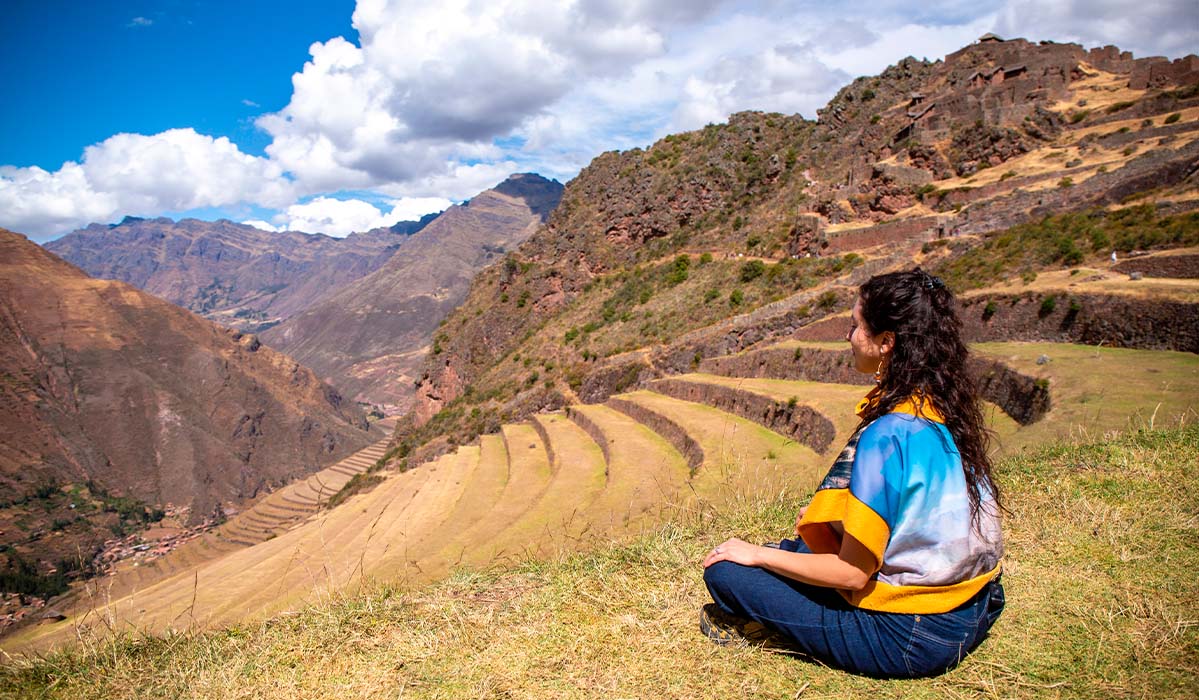
Geographically located between the towns of Pisac and Ollantaytambo, this corridor is the center of agricultural production in the region and is home to Quechua communities that keep their ancestral customs alive. The current towns, originally established as colonial settlements over Inca sites, show a distinctive mixed architecture.
Among the towns of the The Sacred Valley, Chinchero stands out for its textile tradition, Pisac for its fair and archaeological complex, Urubamba as a commercial hub, and Ollantaytambo for preserving its original Inca urban layout.
The tour covers the main archaeological centers and traditional markets in a circular route:
This half-day tour is fundamental to understand the historical structure of the city. The itinerary explores the monumental center, declared a World Cultural Heritage site, where the architectural fusion between Inca walls and colonial buildings is visible. Later, the tour moves to the outskirts to visit the four archaeological complexes of the Inca Empire that protected and supplied the ancient capital.
The service is designed to take place in the afternoon, maximizing the visit time at each site:
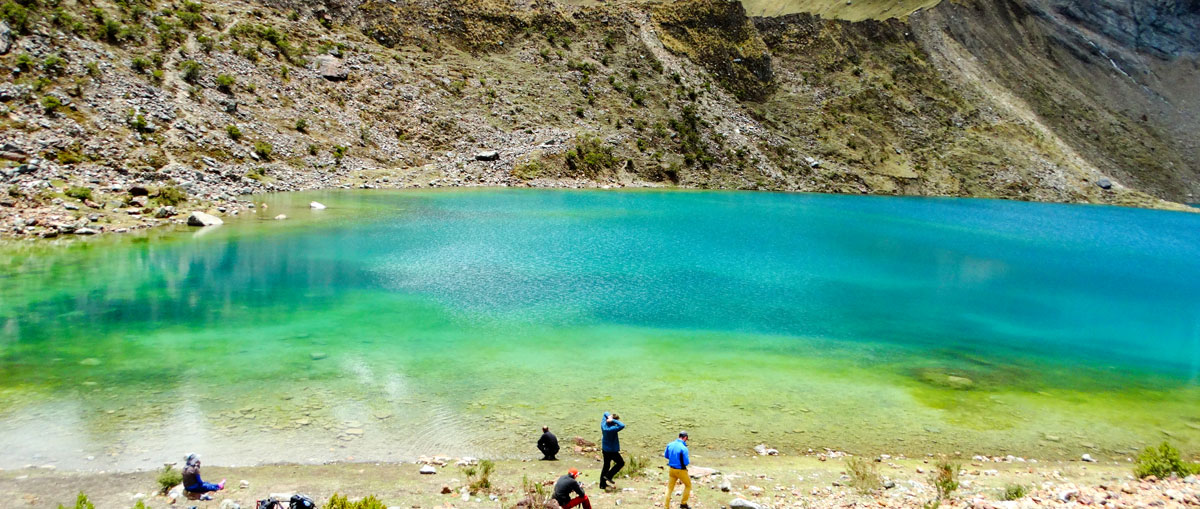
Located at the base of the Humantay snowy peak, this lake of glacial origin has become one of the most visited natural attractions in the region due to the intense turquoise color of its waters. The excursion starts from the Soraypampa sector, located at 3,880 masl, a point that also marks the beginning of the famous Salkantay trekking. The route requires a constant uphill hike until reaching 4,200 meters in altitude, offering direct contact with the high mountain ecosystem and panoramic views of the glaciers.
The previous vehicle trip crosses the fertile Limatambo valley, allowing you to observe the agricultural diversity of the area, where crops like corn, avocado, and pumpkin stand out thanks to the inter-Andean microclimates. Unlike archaeological visits, this tour focuses on physical activity and landscape contemplation, being an efficient option for those looking to experience the Andes without having the time needed for a multi-day expedition.
This itinerary is designed to maximize the time at Humantay Lake considering travel times:

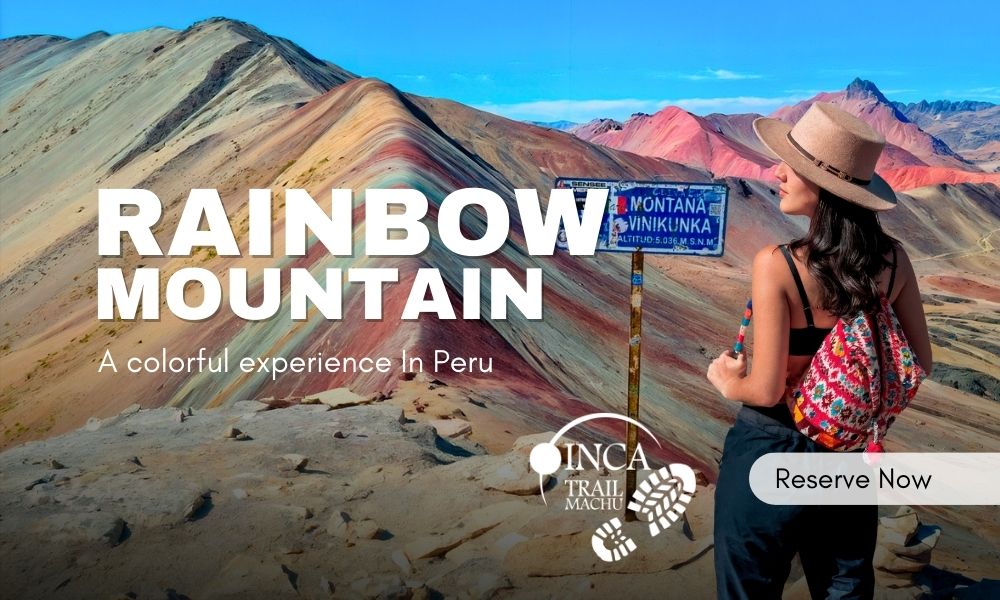
Known geologically as Vinicunca, this natural formation has become the second most visited destination in the Cusco region due to the particular mineral layers that dye its slopes in seven different colors (reds, ochres, greens, and turquoises). Located at 5,200 meters above sea level, the mountain offers a high-altitude landscape dominated by the Ausangate snowy peak, the highest summit in the region.
The trip demands good physical condition and previous acclimatization, as you walk above 4,000 meters in altitude during the entire journey. Along the route, the traveler crosses through local communities dedicated to herding South American camelids (llamas and alpacas), allowing for the observation of wildlife in its natural habitat. It is a full-day experience that combines physical challenge with landscape photography.
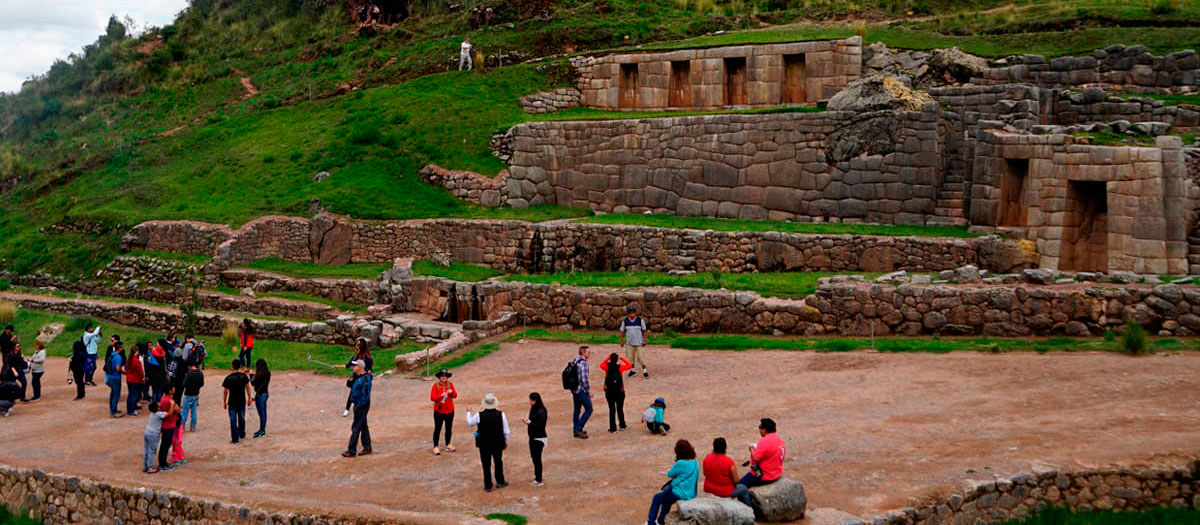
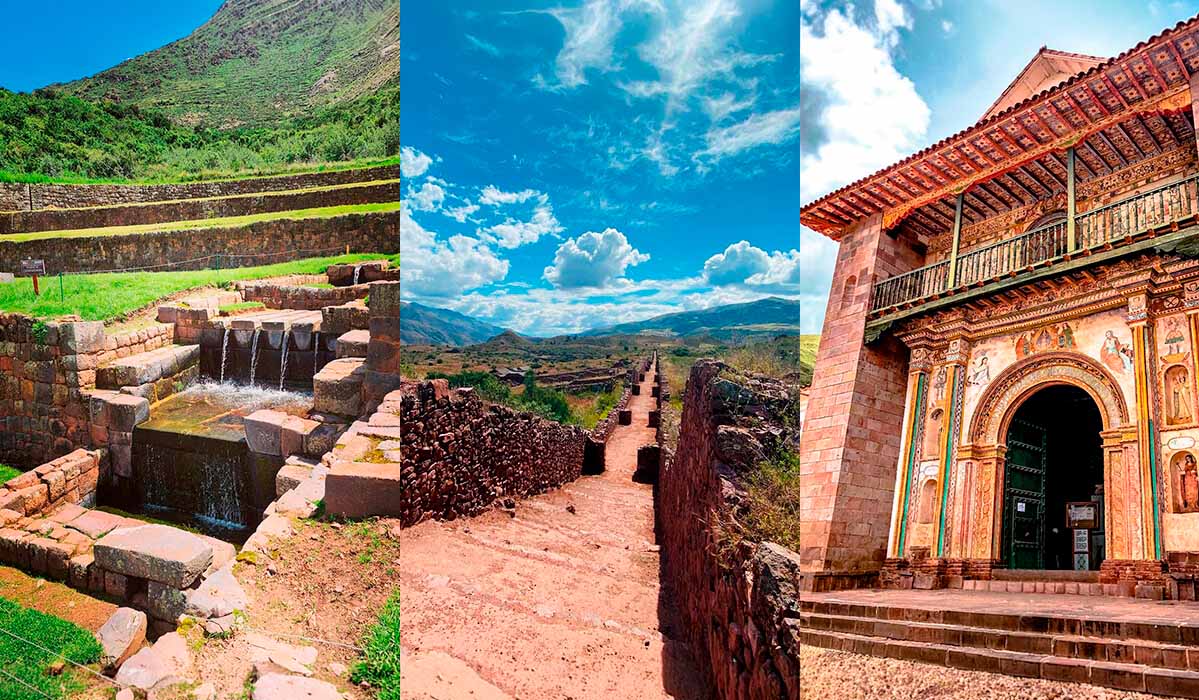
This route goes southeast of the city and offers a chronological journey through three different periods of history: the Wari culture (pre-Inca), Inca engineering, and colonial art. Unlike the Sacred Valley, this circuit is known for having fewer tourists, which allows you to explore the sites with more peace. It is an ideal half-day excursion for those who want to learn more about archaeology and religious art without going too far from Cusco.
The itinerary combines a visit to an agricultural hydraulic system, a pre-Inca planned city, and a gem of Andean Baroque art. The short duration of the tour allows you to use the free afternoon in the city for other activities or rest.

 +51 84 217 551
 +51 997 434 941
 Av Tupac Amaru PP-10B, Santiago, Cusco, Peru
  info@incatrailmachu.com
 www.incatrailmachu.com


