
Travelling to Peru in 2026 is considered safe, and the country is continuing to improve its tourism services. In recent years, new regulations have been introduced to improve visitor safety and the quality of services offered at all destinations.
The Ministry of Foreign Trade and Tourism (Mincetur) is the government agency responsible for overseeing tourism in Peru. According to current policies, this institution supervises and trains tour guides, tourist transportation, restaurant, travel agencies and tour operators to ensure high service standards and safe travel experiences.
Peru boasts an incredible variety of landscapes, from the Pacific coast and the Andean highlands to the Amazon rainforest. Each region offers a unique experience, establishing Peru as one of the world's most diverse travel destinations. Rich in history, culture and natural beauty, Peru is home to a vibrant, multi-ethnic population and countless cultural treasures, offering something for every type of traveller.
Entering Peru is relatively straightforward, particularly if you arrive by air. Many nationalities do not require a visa for short visits, but it is important to check the entry requirements before travelling. If you are unsure whether you need a visa, we recommend reviewing the latest information before your trip.
This guide provides essential travel advice for visiting Peru, including important restrictions and entry requirements, as well as helpful tips to help ensure you have a smooth and enjoyable journey.
Yes, the Peruvian government has reopened all major tourist attractions in order to support the recovery of the tourism industry, which was previously impacted by social unrest and strikes. These disruptions have now ended and travel conditions have stabilised.
Today, tour companies are actively promoting travel to Peru while adhering to updated safety measures. Most tourist attractions are operating at full or near-full capacity, enabling visitors to enjoy the full travel experience.
Peru is currently open to visitors, so you can continue planning your trip with confidence. However, if you are feeling uncertain about travelling, it might be better to postpone your trip until later.
We recommend contacting your travel agency as soon as possible to review your options — do not wait until the last minute.
If you decide to cancel, please note that you may lose your deposit. Many services, such as entrance tickets managed by the Ministry of Culture (including those for Machu Picchu and the Inca Trail), flights, hotels and train tickets, are often non-refundable. Depending on the provider’s policies, partial refunds or credits may sometimes be offered.
Today, Peru is generally considered a safe destination for travelers; however, not all cities or areas are equally safe. Some locations are considered unsuitable for visitors and should be avoided.
Peru is also known for certain internal challenges that may occasionally affect travel plans. These include strikes, protests related to political situations, rising fuel prices, and ongoing concerns in sectors such as agriculture and healthcare. At times, the population organizes nationwide strikes, which can disrupt transportation and temporarily affect mobility across the country. However, these events are usually announced in advance, allowing travelers to plan accordingly and avoid major disruptions.
If you encounter a protest during your trip, it is recommended to remain in your hotel or accommodation until the situation stabilizes. In many cases, demonstrations are localized and may last around 24 hours, after which normal activities resume.
These protests or strikes are not frequent, and tourism in Peru continues to operate normally. In fact, many tourism companies, guides, restaurants, and hotels are well-prepared and trained to assist travelers during such situations, ensuring safety and minimizing inconvenience.
Safe tourist destinations in Peru include downtown Lima, Miraflores, Barranco, San Isidro, Puerto Maldonado, Cusco, the Sacred Valley, the South Valley, Aguas Calientes, Machu Picchu, Puno, Lake Titicaca, downtown Arequipa, Colca Canyon, Ica, Nazca, Máncora, Chachapoyas, and Kuélap.
RELATED:PERU TRAVEL INSURANCE
Safe tourist destinations in Peru include downtown Lima, Miraflores, Barranco, San Isidro, Puerto Maldonado, Cusco, the Sacred Valley, the South Valley, Aguas Calientes, Machu Picchu, Puno, Lake Titicaca, downtown Arequipa, Colca Canyon, Ica, Nazca, Máncora, Chachapoyas, and Kuélap.
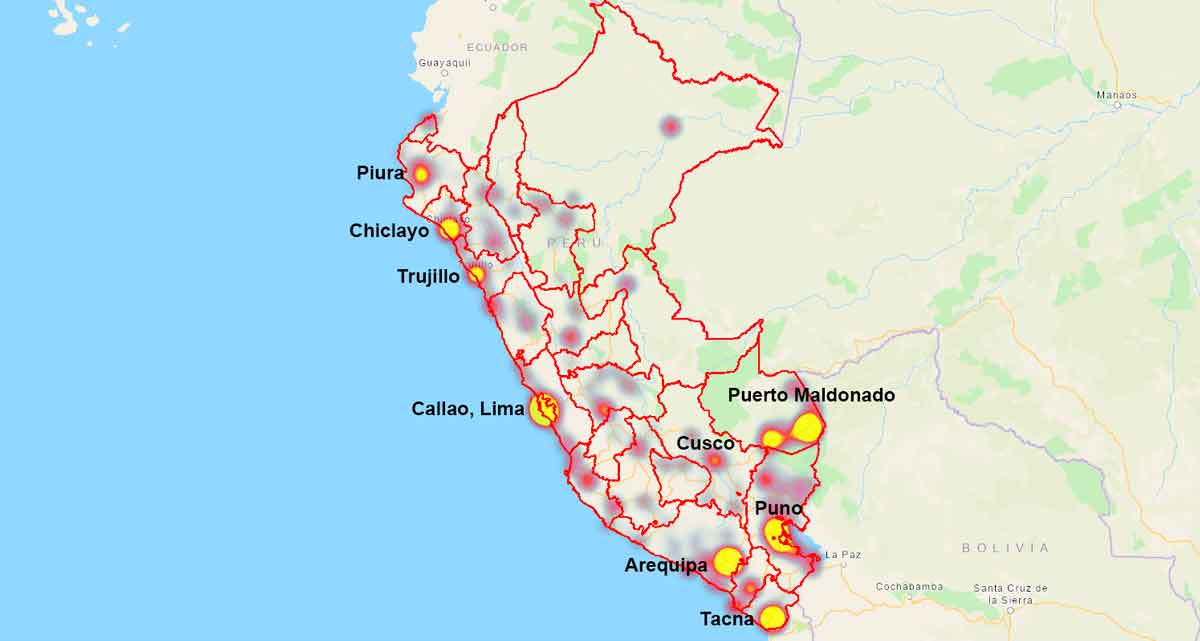
Areas considered higher risk include the VRAE (the jungle regions of Ayacucho, Cusco, Huancavelica, and Junín), border areas with Ecuador, Colombia, and Brazil due to higher crime rates, and certain districts of Lima such as San Juan de Lurigancho, San Martín de Porres, Comas, Ate, Villa María del Triunfo, and Callao (especially Callao Cercado and Ventanilla). Additionally, caution is advised in non-tourist areas, including districts far from central Lima, non-tourist neighborhoods in Cusco, and outlying districts in cities such as Arequipa, Trujillo, and Chiclayo.
When is Machu Picchu reopen? Machu Picchu Closing Again! |
The country is characterized by different zones with sometimes extreme geological and climatic conditions: desert, jungle, high mountains, volcanoes (in the south). In the Andes, the symptoms of altitude sickness should not be underestimated.
Peru is in an earthquake zone. Earthquakes and volcanic eruptions can cause tsunamis in addition to devastation on land.
Tsunamis triggered by volcanic eruptions or earthquakes in the Pacific Rim can also reach Peru.
From November to April regional, heavy rainfall must be expected. They can cause floods, landslides and infrastructure damage. Travel may also be temporarily affected.
Let local, qualified guides accompany you on hikes, mountain tours and when practicing high-risk sports. Heed weather forecasts as well as warnings and instructions from local authorities (e.g. cordons around active volcanoes, evacuation orders).
Should a natural disaster occur during your stay, follow the instructions of the authorities and report to your relatives as soon as possible. Are the connections abroad
If you are planning to travel to Peru alone, we recommend staying alert and being aware of your surroundings at all times. Choose safe destinations, and avoid walking on quiet or empty streets late at night. It is best to stay in city centers and tourist areas. Do not venture far from these areas or visit places that are not recognized tourist attractions.
If you plan to hike alone in the mountains or remote areas, it is crucial to bring all the necessary equipment. Make sure your phone is fully charged in case of an emergency. Due to Peru's diverse landscapes, which include mountains, deserts, and jungles, we usually recommend hiring a private tour guide. Many people attempt to hike alone and get lost, which can lead to dangerous situations. To avoid risks, it is better to join a group tour.
If you book a single room, we recommend staying in the city center. Avoid sharing a room with strangers, though there are hostels and Airbnb options where shared accommodations can be safe. Popular places like the Loki Hotel are well known among solo travelers, where you can meet others and share experiences.
At the airport, do not accept or carry luggage for other people—only handle your own belongings. Clearly identifying your bags is very important. You can attach a colored ribbon to your suitcase or backpack and put a copy of your passport or driver's license inside. You can also use a combination lock for added security. While these items are safe to use at airports, it is always important to stay cautious, especially when collecting your luggage, to avoid any mistakes or confusion.
At night, try walking in groups and avoiding quiet streets. Leave your important belongings in your hotel room and carry only a copy of your passport. Don't carry large amounts of cash; just take what you need or use a credit card. Don't drink excessively, and never accept drinks from strangers.
If you are traveling alone in Peru, it is very important to be careful. Don't trust people too easily. If you follow these recommendations, your travel experience in Peru will be safe, enjoyable, and unforgettable.
While Peru is generally a safe destination for travelers, there are some areas that should be avoided. The country has many incredible tourist attractions, so it's important to stay within safe, well-known areas.
If you are planning to travel to Peru with your family, it is one of the best destinations to show them culture, history, nature, and, above all, friendly and happy people. These are what make Peru one of the best places to explore with your family.
Peru offers a unique combination of three regions - the desert, the highlands, and the jungle—making it a diverse destination where you can find the best activities to enjoy together. In the desert, you can visit the dunes of Ica, where your family can share an adventure experience like sandboarding. In the highlands, trekking the Inca Trail and visiting Machu Picchu are among the best hiking experiences, leading you to the legendary Lost City of the Incas. You can also visit Lake Titicaca, where you can share local culture and traditions. At Colca Canyon, you can admire the flight of the condor and enjoy the breathtaking landscapes of one of the deepest canyons in the world. In the Peruvian jungle, you can explore and discover a great variety of wildlife, including macaws, monkeys, and colorful parrots. You can also visit the fortress and citadel of the Chachapoyas culture in northern Peru, or try surfing in places like Miraflores in Lima or Máncora, where your family can enjoy unforgettable beach experiences. Peru offers many opportunities to imagine, explore, and discover.
Always take into account some important recommendations. If you are traveling with children, never lose sight of them, as it is easy to get lost in crowded places. Avoid eating food from street vendors or markets; it is safer to eat in restaurants. If you are planning to take tours, make sure the company is authorized, and avoid booking tours on the street or at the airport. If you are not familiar with the city, do not explore unknown areas without a guide. Always carry a basic first-aid kit, including medication for altitude sickness and sunscreen, and have information about nearby hospitals.
Travelling to Peru with your children can create unforgettable memories. Peru is well prepared to welcome families and offers a wide range of hotels and Airbnb accommodations where you can comfortably stay and worry-free explore each destination. We recommend choosing an Airbnb because many of these accommodations include a kitchen, which allows you to prepare meals according to your family’s needs.
If you plan to eat out, it is best to avoid small local eateries and street markets. Instead, choose restaurants that cater to tourists. These establishments usually have higher hygiene standards and are better equipped to serve clean, safe food, which will give you peace of mind during your trip.
However, if you would like to try local cuisine, choose places where you can see how the food is prepared. In Cusco, for example, the San Pedro Market offers a variety of local dishes. We recommend simple options like rice and eggs, which are cooked on the spot. The same applies to fresh juices; vendors prepare them in front of you using a variety of fruits. You can have similar experiences at markets in Aguas Calientes, Puno, and Arequipa.
For safety reasons, avoid walking for long periods of time on quiet or poorly lit streets, especially with children. Stick to busy, safe areas and keep a close eye on your kids at all times. In crowded places, hold their hands and stay alert at all times. Traffic in Peru can be unpredictable, and drivers do not always respect traffic lights or crosswalks. Always look both ways before crossing the street. If a car is approaching, wait until it is completely safe to cross.
We highly recommend booking a private tour if you are planning to visit Machu Picchu or take part in tours and treks. This allows you to enjoy the experience at your own pace, which is especially important when traveling with children. Group tours usually follow a fixed schedule, which can feel rushed and may not give your kids enough time to explore. With a private tour, however, you can adapt the itinerary to your family’s needs, making the experience more enjoyable for everyone.
Always carry a first-aid kit with you, along with your personal medication. We recommend bringing extra medication. Keep one set in your first-aid kit and leave another set at your hotel or Airbnb in case you need it. It's better to be prepared.
Make sure you have the contact information for nearby hospitals or clinics, and always travel with insurance. You may never need to use it, but it's important for protection in case of unexpected situations, such as missing your flight or losing your backpack or suitcase.
Traveling to Peru is one of the best decisions you can make. But why is it such a great choice? Many tours can be arranged as group excursions or private experiences, giving you the chance to meet new travelers and create unforgettable memories. Your trip will follow a well-organized itinerary, allowing you to travel smoothly without any setbacks. Every excursion and hike can be tailored to your preferences, and you’ll be accompanied by people who enjoy similar activities.
That said, we recommend exercising caution at night. If you plan to visit a bar or explore a city in Peru after dark, it's best to stay with your friends. If you decide to go somewhere alone, always inform someone in your group. In case of an emergency, they will know where to find you.
Traveling in a group in Peru is generally more organized and convenient. You only need to be ready for your scheduled pickups and drop-offs. Additionally, traveling with a group often gets you discounts at restaurants, souvenir shops, and other places. Groups of six or more travelers can often receive better prices. As for food, it is best to avoid street food or approach it cautiously.
Peruvian associations of tour operators - Canatur, AATC and APTAE as well as professional tour guide associations - Colitur, Progatur and Agotur were talking with the Peruvian government to find a solution to open tourism of the country.
Please note the following precautionary measures, among others:
The Inca Trail and Machu Picchu were the most popular destinations of Peru. There were 3,000 travellers daily. During the Coronavirus, these sights were affected by the tourist decrease. The Inca Trail and Machu Picchu were closed until 15 July for Peruvian tourists and until 1 October for foreign travelers. But there were travellers who had booked the Inca Trail in advance. All was canceled! The Peruvian government was looking for a solution to avoid losing tourism. It decided that tourists could change or postpone the Inca Trail until to 31st December 2021 depending on the spots available.
The Ministry of Culture closed all their offices and websites until further notice from the Peruvian government. Then, only their accounting department worked.
Every affected traveler had to wait until the quarantine was over. Once the Ministry of Culture reopened the office, affected passengers could present their claims to receive Machu Picchu ticket refunds
In this case, the Ministry of Culture has offered to postpone the tickets until December 2021. You could return Machu Picchu tickets, but you must inform them by e-mail about their cancellation. You can postpone your Machu Picchu ticket for a future trip or receive a refund. Then you have to wait until their confirmation of your ticket refund.
A travel agency or tour operator needs to send a letter requesting the refund of Machu Picchu and Inca Trail tickets. The ministry decides if this is possible. If so, their condition is that the travel agency/tour operator finds a replacement for the traveler so that the name and date are changed on the ticket.
Due to the state of the global coronavirus pandemic, the company Inca Trail Machu has announced updates to its policies that provide for the cancellation and modification of each reservation date in specific areas.
PeruRail and Inca Rail are train companies that operate trips to Machu Picchu. During the quarantine, they canceled all operations. If you had booked train tickets in advance, you were able to postpone your trip until 2021. If you want to refund train tickets, you need to contact the train companies directly.
If Peru imposes restrictions on specific citizens or countries, or if the country of passengers imposes travel advice against Peru:
We will give you full credit for rescheduling the reservation, valid until 2021! However, we cannot cover other expenses booked elsewhere, such as flights, land travel arrangements, etc. We cannot provide any financial compensation in these cases.
Seasonal surcharges and/or fees will apply to rescheduling to 2021.

 +51 84 217 551
 +51 997 434 941
 Av Tupac Amaru PP-10B, Santiago, Cusco, Peru
  info@incatrailmachu.com
 www.incatrailmachu.com


