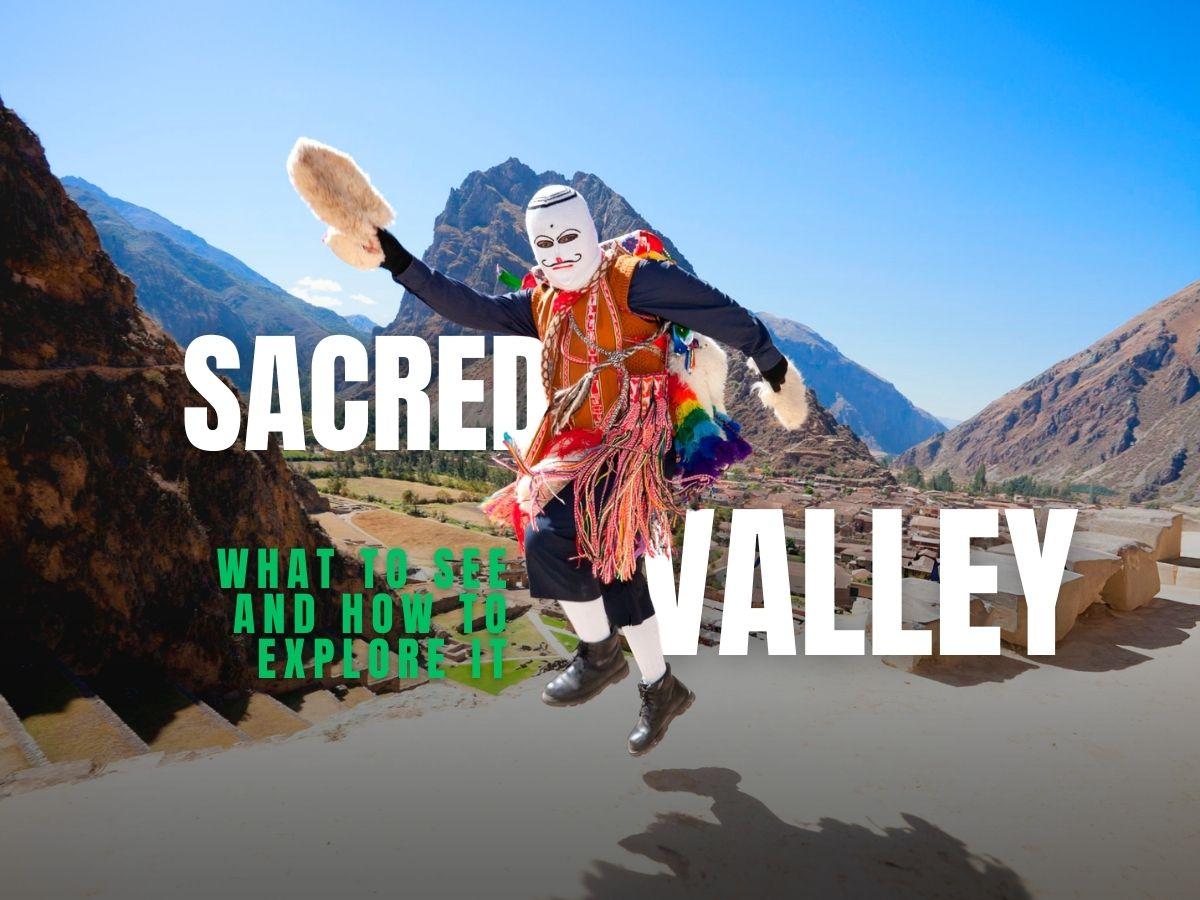
The Sacred Valley, historically known to the Incas as Vilcamayo, extends along the Urubamba River basin. This geographic corridor was the main center for the empire's agricultural production and infrastructure, and today it is the central hub for logistics and tourism in the Cusco region.
Begin your adventure in the first part of the valley, less than an hour's drive from the city. There, you will find the Pisac archaeological complex, which is notable for its extensive farming terraces. Following the river's course through urban centers such as Calca, Yucay, and Urubamba, the route concludes in Ollantaytambo. This town has retained its original Inca street layout and features military and religious architecture on the mountainside.
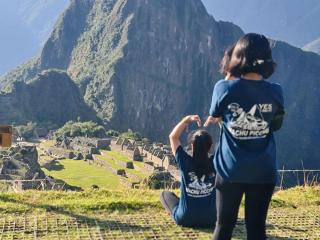
The final stop on this journey is Machu Picchu. To get there, you must first travel to Ollantaytambo. From there, the rugged terrain and narrowing canyon prevent the road from continuing toward the citadel.
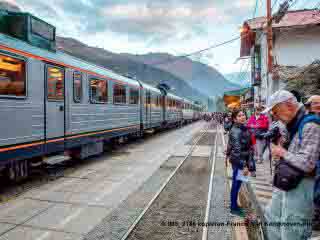
For this reason, there are two main ways to access Machu Picchu. The first option is the train service that travels through the Sacred Valley to Aguas Calientes. This is the fastest and most popular choice among travelers. The second option is to enter on foot via the Inca Trail, an organized hiking route that crosses ancient Inca paths. This route is usually completed in four days, although there are shorter versions.
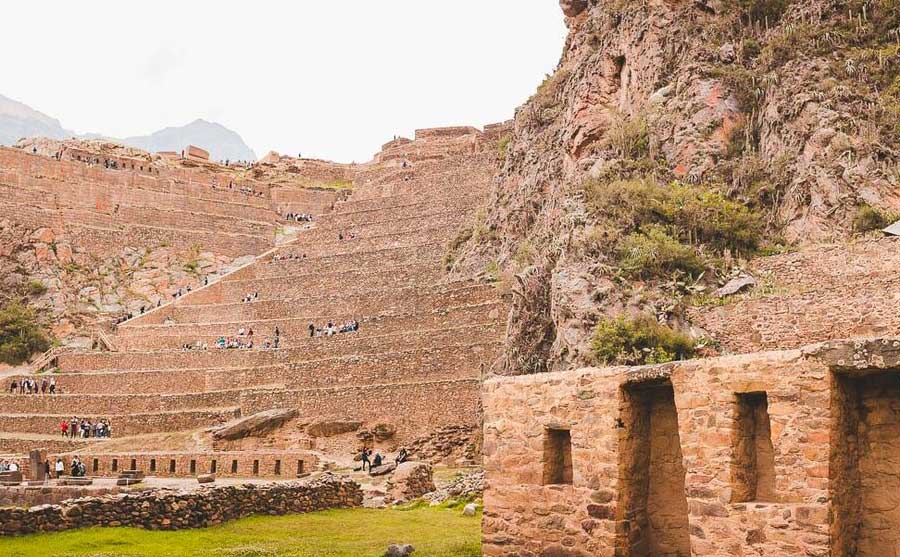
Why should you visit the Sacred Valley in Peru?
The Sacred Valley, or Urubamba Valley, is an Andean region located northwest of the city of Cusco. Its main area goes from the town of Pisac to Ollantaytambo, following the course of the Urubamba river. Therefore, if you travel to Cusco, this tour is one of the most recommended to acclimatize; since it allows you to see the beautiful landscapes of the Andes and directly understand the territorial, architectural and economic organization of the Inca civilization.
This route's historical and current importance is based on the following objective factors:
- Geographic and climatic conditions: The valley is located at a lower average altitude than Cusco (2,800 masl compared to 3,399 masl) and has a mild climate and higher oxygen concentration. For this reason, it is the recommended starting point for the acclimatization process.
- Agricultural production core: The alluvial lands served as the empire's main supply center. Through terraces, Inca engineering changed the topography to maximize the large-scale production of white corn, potatoes, and quinoa—crops that supported the expansion of the Tahuantinsuyo.
- Location: Historically, it served as a logistics corridor connecting the imperial capital to the jungle border. It still serves this operational function today, housing the main hotel infrastructure and serving as a mandatory stop for boarding the train to Machu Picchu.
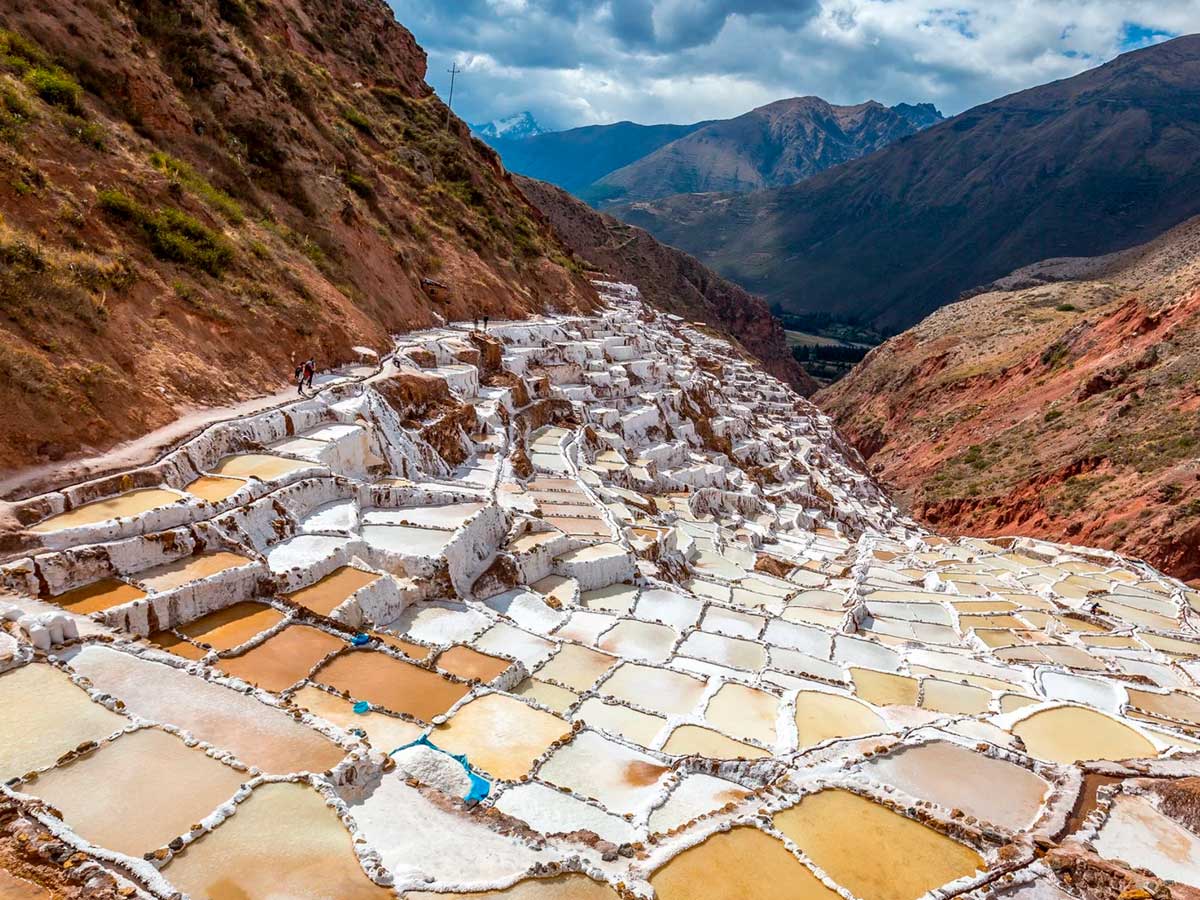
Places to visit in the Sacred Valley
The Sacred Valley boasts the region's most notable archaeological sites, traditional urban centers, and outdoor activity spaces. It offers a combination of natural beauty, archaeological sites and traditional Andean towns. Below are some of the Sacred Valley's key features and attractions:
- Archaeological sites: The official tour includes the sites of Pisac, Ollantaytambo, Moray and Chinchero. These sites offer a direct glimpse into the stone architecture, urban planning, ceremonial centers, and agricultural terrace systems developed during the Inca period.
- Pisac Market: It is the main traditional trading center of the area. Local craftsmen sell alpaca wool textiles, ceramics, jewelry, and Andean agricultural products here.
- Maras Salt Mines: The system is made up of more than 3,000 evaporation pools that are fed by an underground saltwater spring. Built on the side of the mountain, this salt extraction infrastructure has been operating without interruption since pre-Inca times.
- Andean communities: Indigenous populations settled along the valley keep traditional loom weaving techniques, natural dyeing processes, and terrace farming methods alive. This allows for the technical observation of these practices.
- Outdoor activities: The valley's topography and river network provide an ideal setting for the regulated practice of outdoor sports. Popular activities include mountain biking, rafting on the Urubamba River, horseback riding, and hiking trails of varying difficulty levels.
- Connection point to Machu Picchu: The western part of the valley, particularly the town of Ollantaytambo, serves as the primary train station and logistical hub for travelers going to the Inca citadel or beginning the Inca Trail hike.
Overall, the Sacred Valley is a captivating destination that blends history, culture and natural beauty. Travelers can delve into the legacy of the Inca civilization, experience traditional Andean life and appreciate the awe-inspiring landscapes that make this region so enchanting.
Climate and the Best Time to Visit the Sacred Valley
The Sacred Valley has a mild climate due to its average altitude of 2,800 meters (approximately 600 meters below the city of Cusco) above sea level. However, its weather is strictly divided into two seasons that affect trip logistics.
- Dry season (May to October): It is characterized by a lack of regular rainfall. Days have high solar radiation and average maximum temperatures of 22°C, while nights experience a significant temperature drop, reaching an average of 5°C. In practice, this is the safest and most stable period for field activities, hiking, and archaeological tours. This period coincides with the season of the highest tourist crowds.
- Rainy season (November to April): There is frequent rain and cloud cover, with the highest peak of intensity between January and February. Daytime temperatures remain stable, while nighttime lows increase slightly to an average of 8°C due to cloud cover. During these months, the flow of the Urubamba River increases, and some unpaved routes or trekking circuits may have temporary access restrictions for safety reasons.
The date of the visit depends directly on the planned activities. For itineraries focused on adventure sports, climbing, or the Inca Trail, the months from May to October offer the most stable ground conditions. For tours that use motorized transportation or trains, the rainy season is a good option because there are fewer visitors to the archaeological sites.
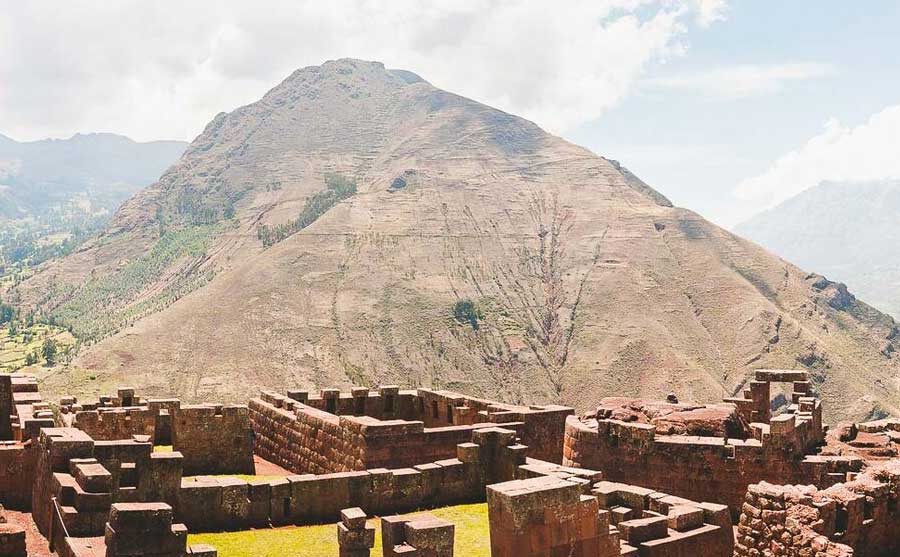
What to Do in Cusco
Cusco, the former capital of the Inca Empire, is a vibrant city in Peru offering a variety of cultural, historical, and outdoor activities. Below are some of the top things to do in Cusco:
- Explore the Historic Center: Begin your visit by wandering through Cusco's historic center, which is a UNESCO World Heritage Site. Admire the colonial architecture, visit the main square (Plaza de Armas), and explore the narrow, cobblestone streets lined with shops, cafés and vibrant markets.
- Visit Sacsayhuaman: Explore the impressive ruins of Sacsayhuaman, an Inca fortress located just outside Cusco. Admire the massive stone walls and take in panoramic views of the city below.
- Visit the Q'enqo Temple: Explore the unique Inca site of Q'enqo, located just outside Cuzco. This ancient temple boasts intricate rock carvings, ceremonial altars and underground passages.
- Explore the San Blas Neighborhood: Take a stroll through the bohemian San Blas neighborhood, which is known for its narrow streets, artistic atmosphere, and local crafts. Stop by the workshops of talented artisans and browse their selection of handmade jewelry, textiles and artwork.
- Experience Inti Raymi: If you're visiting in late June, be sure to check out the Inti Raymi festival, the most significant Inca celebration. Watch the reenactment of ancient rituals and ceremonies dedicated to the sun god featuring colorful costumes, music, and dance.
Cusco offers visitors from around the world a blend of history, culture, and natural beauty that captivates them. Immerse yourself in ancient traditions, explore archaeological wonders, and savor the flavors of this fascinating city.

 +51 84 217 551
 +51 997 434 941
 Av Tupac Amaru PP-10B, Santiago, Cusco, Peru
  info@incatrailmachu.com
 www.incatrailmachu.com